Propagating Aconitum moldavicum: A Gardener’s Challenge
Introduction:
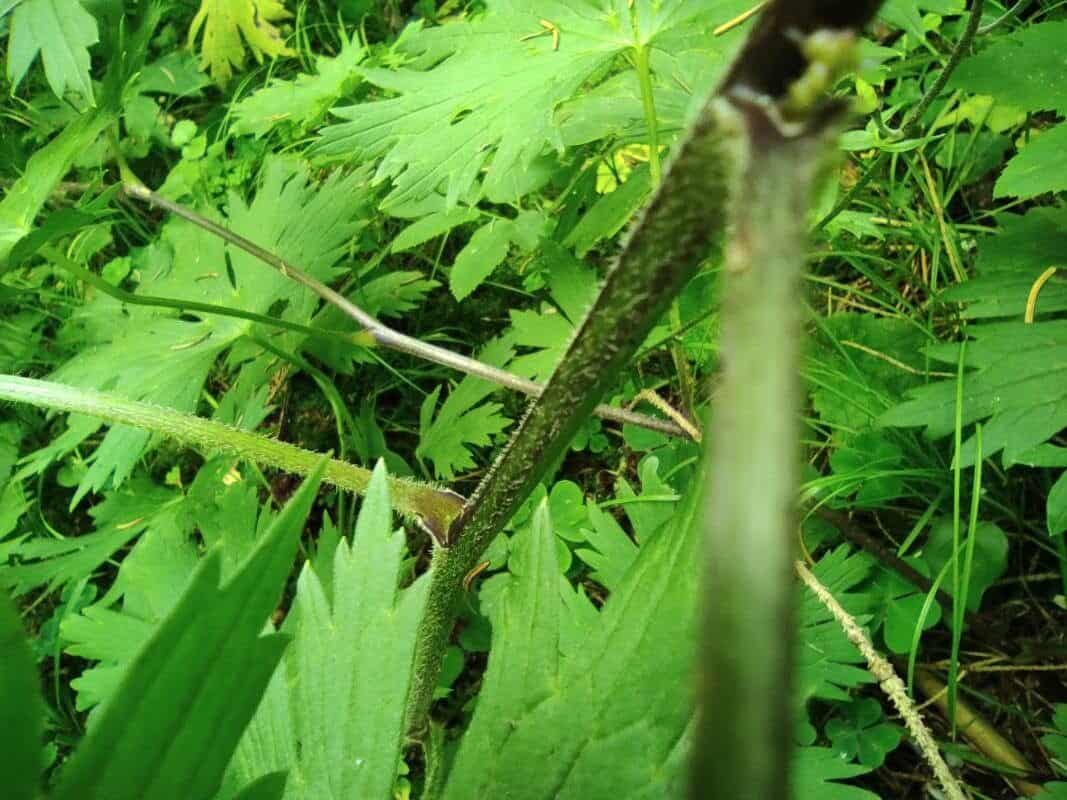
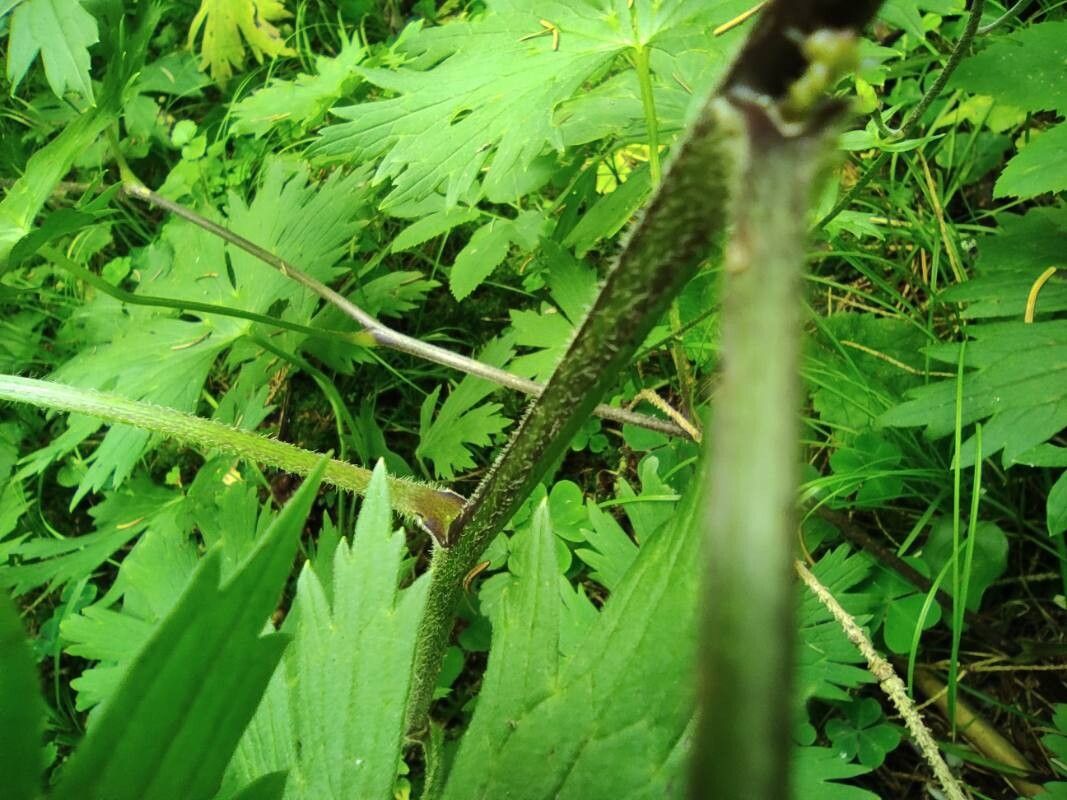
Aconitum moldavicum, also known as Moldavian monkshood, is a striking member of the Ranunculaceae family, captivating gardeners with its tall spires of deep blue or purple hooded flowers. This relatively rare species boasts a unique beauty, adding a touch of exotic flair to borders and rock gardens. Its popularity, however, is tempered by the challenges involved in its propagation. Aconitum moldavicum, like other monkshoods, is known for its toxicity, demanding cautious handling, and its propagation presents a fascinating horticultural puzzle.
Seed Germination:
Seed germination for Aconitum moldavicum is notoriously difficult, but not impossible. The primary challenge lies in the seeds’ dormancy. They require a period of stratification – exposure to cold, moist conditions – to break dormancy and stimulate germination.
Challenges: Low germination rates are common even with proper stratification.
Practical Tips: Sow seeds outdoors in autumn, allowing for natural stratification over winter. Alternatively, stratify seeds artificially by placing them in a moist medium (e.g., vermiculite or peat moss) in a sealed bag at refrigerator temperatures (around 4°C) for 8-12 weeks. After stratification, sow seeds in a well-draining seed-starting mix, covering lightly. Ensure consistent moisture but avoid waterlogging. Maintain a cool environment until germination occurs, this may take several weeks or even months.
Rewards: Successful germination from seed offers the possibility of increased genetic diversity within a collection. This is particularly vital for maintaining a healthy population and avoiding inbreeding. Seed propagation also offers a potential route for large-scale production, though the low germination rates make it a lengthy and potentially inefficient method.
Cuttings:
Currently, there are no known reliable methods for propagating Aconitum moldavicum from cuttings. The plant’s inherent difficulty in rooting, combined with its potential for fungal diseases, makes this a largely unsuccessful propagation technique.
Division:
Division is the most reliable method for propagating Aconitum moldavicum.
Challenges: Division should be carried out during the plant’s dormant period (late autumn or early spring). Care must be taken not to damage the roots, which are fragile and prone to rot.
Practical Tips: Carefully dig up the established plant, ensuring as much of the root system is intact as possible. Divide the root clump into smaller sections, each with several healthy shoots and a substantial root system. Replant immediately in well-drained, fertile soil, ensuring adequate space for each division to establish.
Rewards: Division offers the quickest and most reliable method for increasing the number of Aconitum moldavicum plants. This method preserves the characteristics of the parent plant, offering a high success rate compared to other methods.
Tissue Culture:
Tissue culture is a potentially viable method but remains largely unexplored for Aconitum moldavicum propagation.
Challenges: Establishing sterile conditions and developing appropriate culture media are essential for success, but the optimal protocols for Aconitum moldavicum have not been extensively researched. This requires specialized laboratory equipment and expertise.
Practical Tips: Research needs to be conducted to determine suitable plant growth regulators.
Rewards: Tissue culture, if successful, offers the potential for large-scale, rapid propagation and the ability to produce virus-free plants.
Conclusion:
Propagating Aconitum moldavicum presents a unique blend of challenge and reward. While seed germination offers a potential route to genetic diversity but struggles with low success rates, division remains the most reliable method for increasing plant numbers. Cuttings and tissue culture await further research to unlock their potential. The difficulties involved highlight the special satisfaction that comes from successfully nurturing this captivating plant. Don’t be discouraged by the initial hurdles, patient observation and a willingness to experiment are key to unlocking the secrets of successfully propagating this beautiful but challenging species. Embrace the learning process, and the rewards of a flourishing Aconitum moldavicum will be all the more satisfying.