
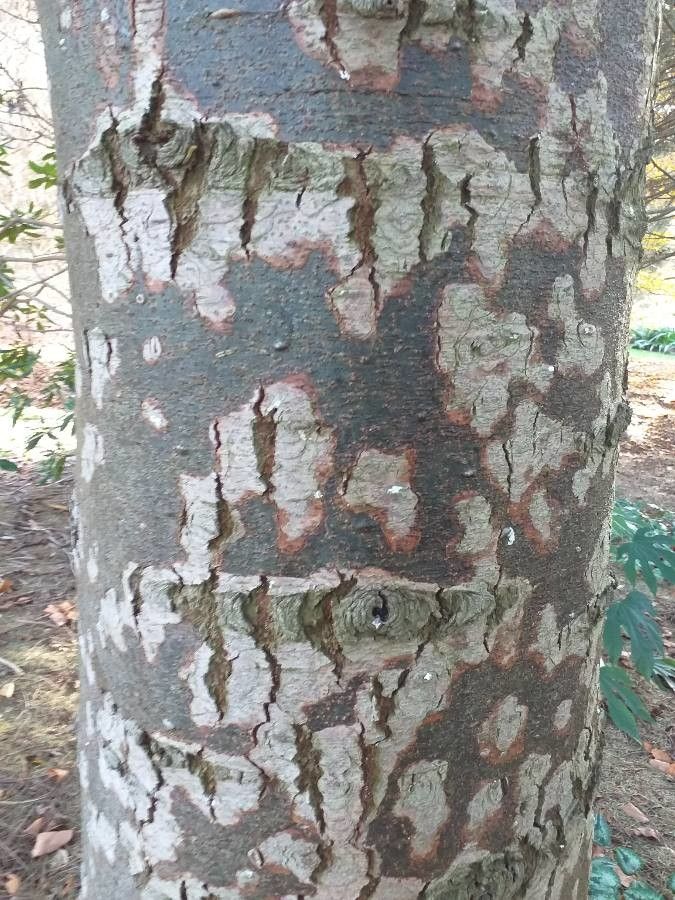
Conquering the Durango Fir: A Guide to Propagating Abies durangensis
The Durango Fir (Abies durangensis), with its distinctive blue-green needles and towering stature, is a majestic conifer native to the mountains of Mexico. While finding this species in local nurseries might be a challenge, propagating your own Durango Fir is a rewarding endeavor for dedicated gardeners and tree enthusiasts alike. Though not a beginner task, success is attainable with patience and by following the right steps.
Two paths diverge: Seed vs. Cutting Propagation
Durango Firs can be propagated through two main methods: seeds and cuttings. Each has its own set of pros and cons, making it essential to understand both before embarking on your propagation journey.
1. Seed Propagation: Embracing the Long Game
Growing Durango Firs from seed is an exercise in patience, as it requires a longer timeframe and specific conditions to break seed dormancy and ensure germination.
Here’s a step-by-step breakdown:
- Seed Collection: Source seeds from a reputable supplier specializing in conifer seeds. Look for fresh seeds for optimal viability.
- Stratification: Mimic natural winter conditions by cold-stratifying the seeds for 30-60 days in moist peat moss within a refrigerator.
- Sowing the seeds: In spring, sow the stratified seeds in a well-draining seed starting mix, covering them lightly with the mixture.
- Providing the right environment: Maintain consistent moisture, good drainage, and a cool, bright location out of direct sunlight.
- Transplanting: Once seedlings establish a robust root system and grow a few inches tall, transplant them into individual pots.
- Gradual acclimatization: Slowly acclimate the seedlings to outdoor conditions before planting them in their permanent location.
Seed Propagation: Pros and Cons
Pros:
- Economical, as seeds tend to be cheaper than established plants
- Offers a wider selection of genetic diversity
Cons:
- Longer timeframe for germination and growth
- Requires more attention to environmental factors
- Seed viability can be variable
2. Cutting Propagation: A Faster Route with Nuances
Taking cuttings from an existing Durango Fir offers a faster way to obtain a new plant while ensuring identical characteristics to the parent plant.
Follow these steps for successful cutting propagation:
- Timing is key: Take cuttings during the dormant season, ideally in late fall or early winter, when the plant’s energy is concentrated in its woody parts.
- Selecting the right cutting: Look for healthy, semi-hardwood cuttings from the current year’s growth, approximately 4-6 inches in length.
- Preparing the cutting: Remove the lower needles, leaving only a few at the top. Wound the base of the cutting slightly to encourage root development.
- Hormone boost: Dip the wounded end in rooting hormone to stimulate cell growth and root formation.
- Planting the cutting: Insert the cutting into a well-draining rooting medium, ensuring the bottom nodes are buried.
- Creating a humid environment: Cover the cutting with a plastic bag or place it in a humidity dome to maintain moisture and promote root development.
- Patience is vital: Keep the cutting in a bright location out of direct sunlight and maintain consistent moisture while roots develop. This can take several weeks to months.
Cutting Propagation: Pros and Cons
Pros:
- Faster growth and establishment than seeds
- Clonal propagation, preserving desirable characteristics of the parent plant
Cons:
- Requires access to a healthy parent plant
- May have a lower success rate compared to other conifer species
No matter your path: Choosing the best propagation method depends on your resources, available time, and desired outcome. With patience and diligence, you can succeed in propagating your own magnificent Durango Fir, adding a touch of majestic beauty to your landscape for years to come.