How to Propagate Azaleas From Cuttings (Step by Step)
Azaleas are easy to grow from cuttings if you get the timing and the mix right. Here is how I root new shrubs from a plant I already love, step by step.

Azaleas are easy to grow from cuttings if you get the timing and the mix right. Here is how I root new shrubs from a plant I already love, step by step.
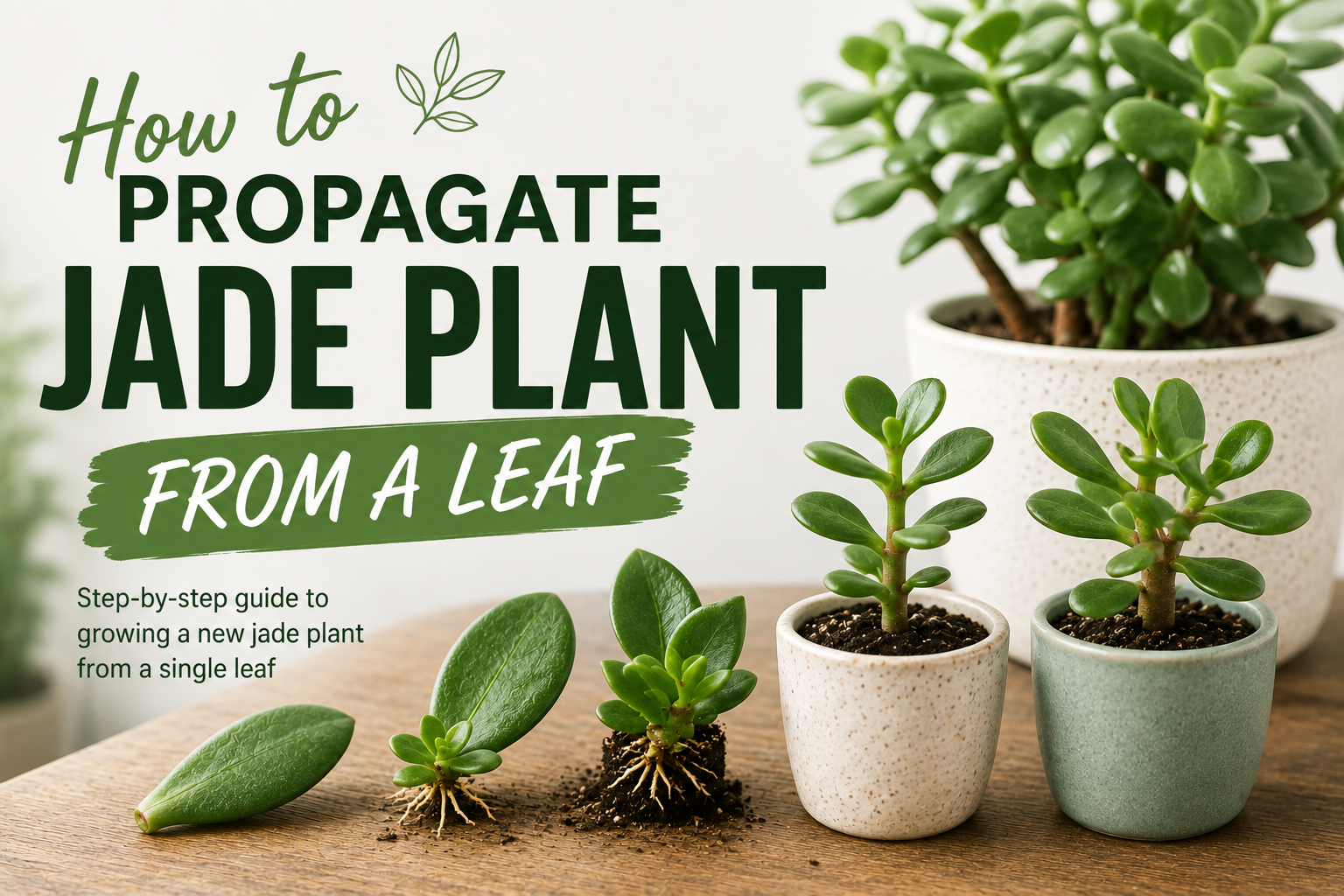
A single jade leaf can become a whole new plant if you’re patient. Here’s when to take it, how to callus it, and how to keep it from rotting.
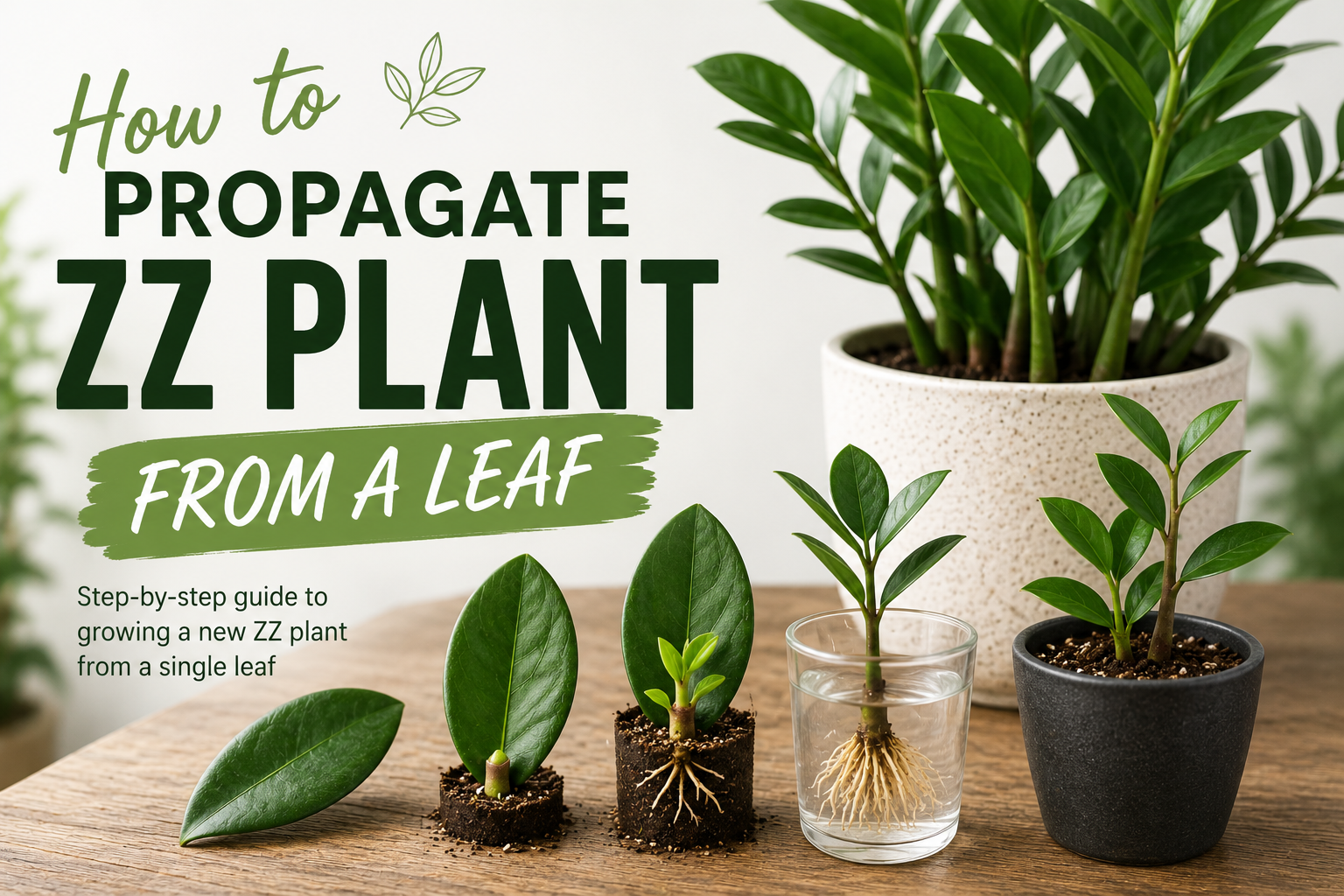
ZZ plants will grow from a single leaf if you are patient. Here is how to take the cutting, why soil beats water, and how long before you see a new shoot.
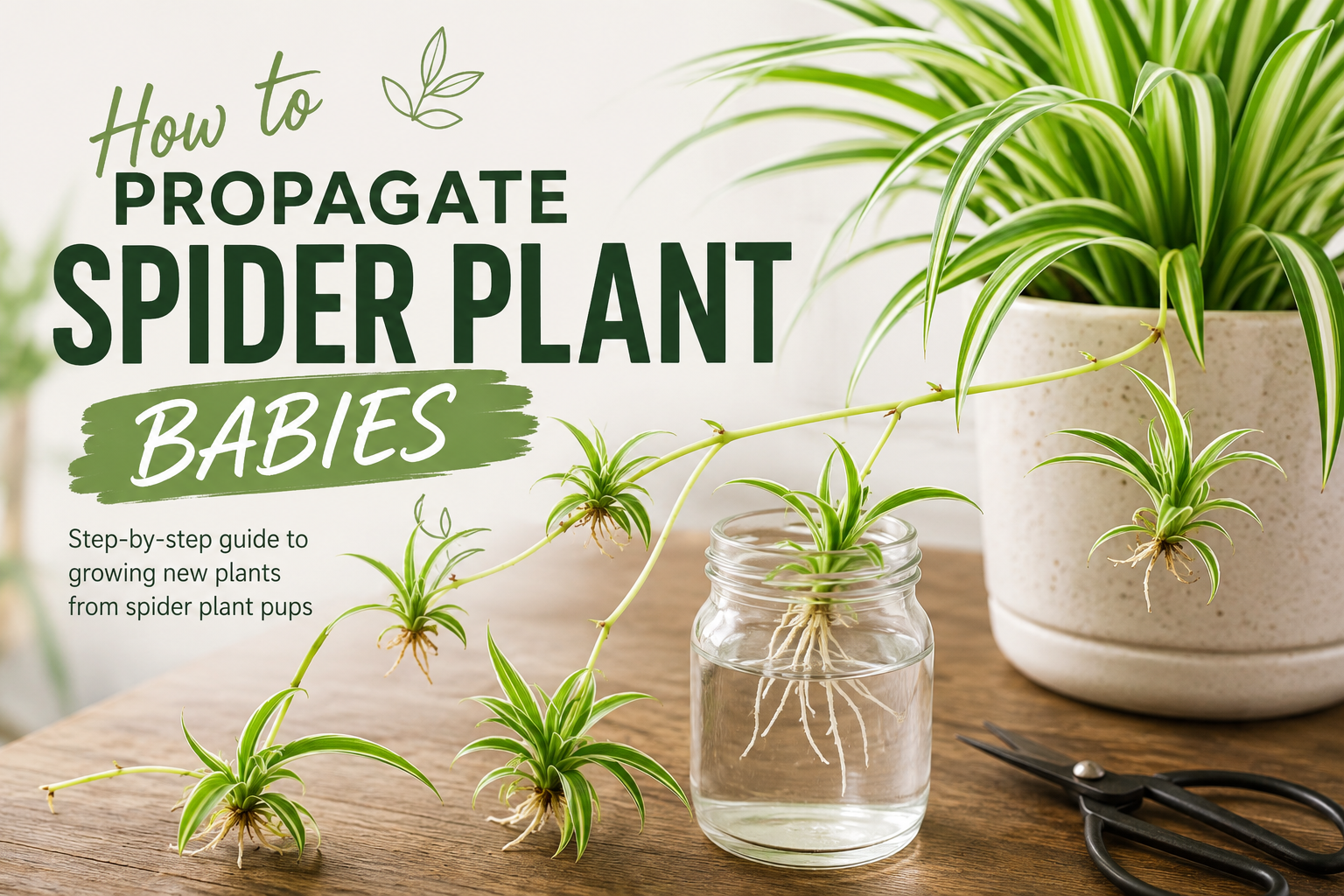
Those little spiderettes dangling from your spider plant are free plants. Here’s how I root them in water or soil — and avoid the rot that kills most.
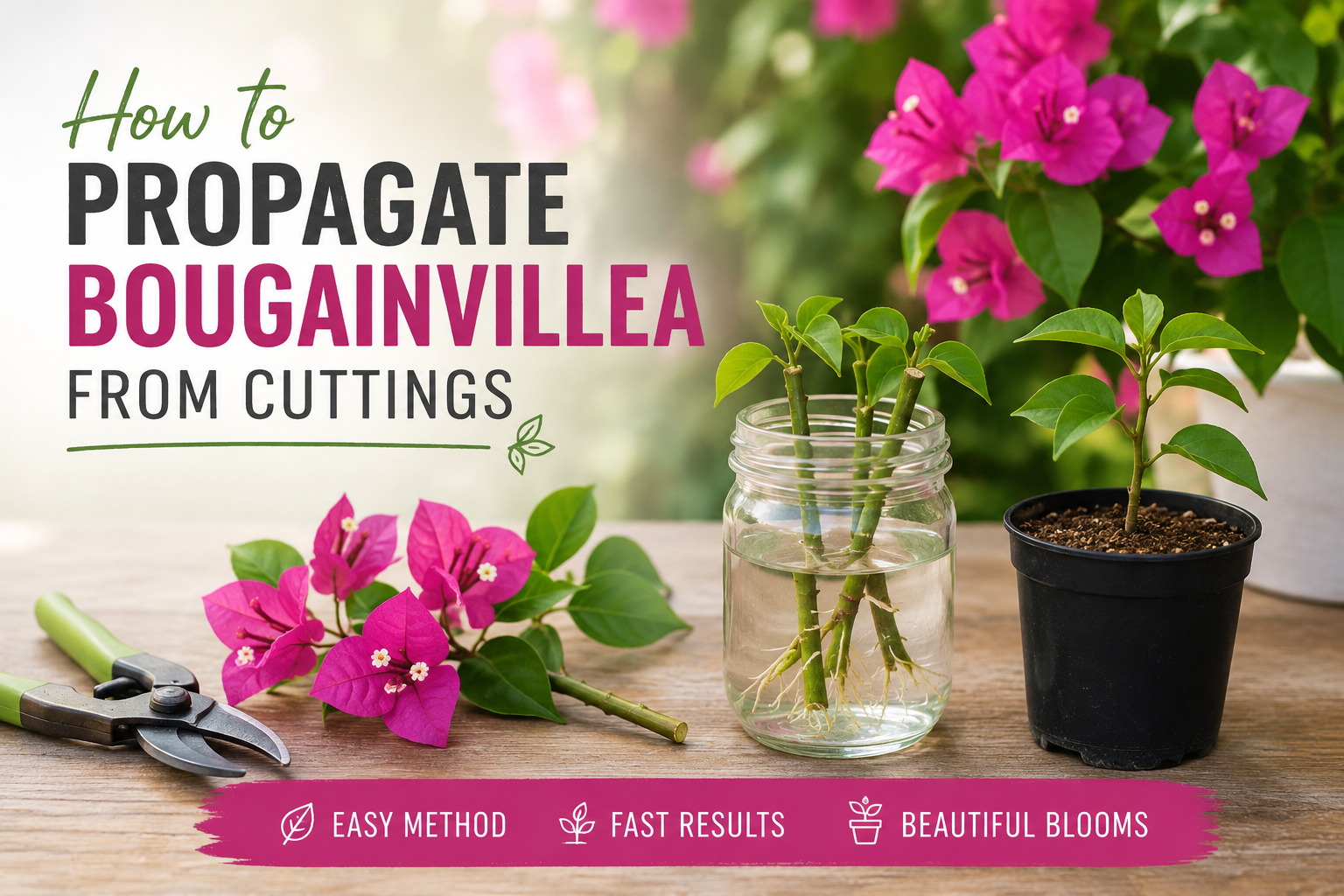
Grow vibrant bougainvillea for free from cuttings. When to take them, the bark-scrape trick that boosts rooting, warmth and moisture tips, and how long they take to root.
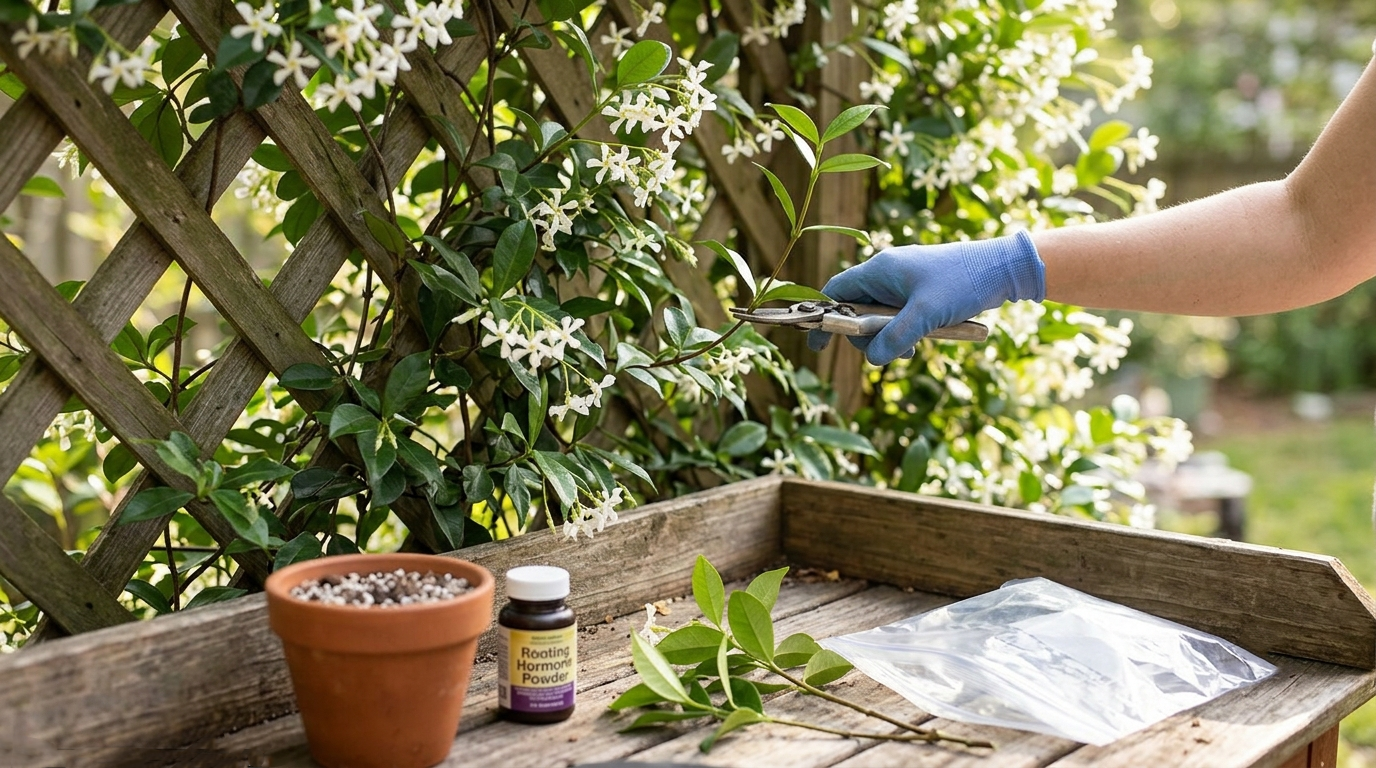
Star jasmine roots surprisingly well from summer cuttings. Here’s when to take them, how to avoid rot, and what to expect week by week.
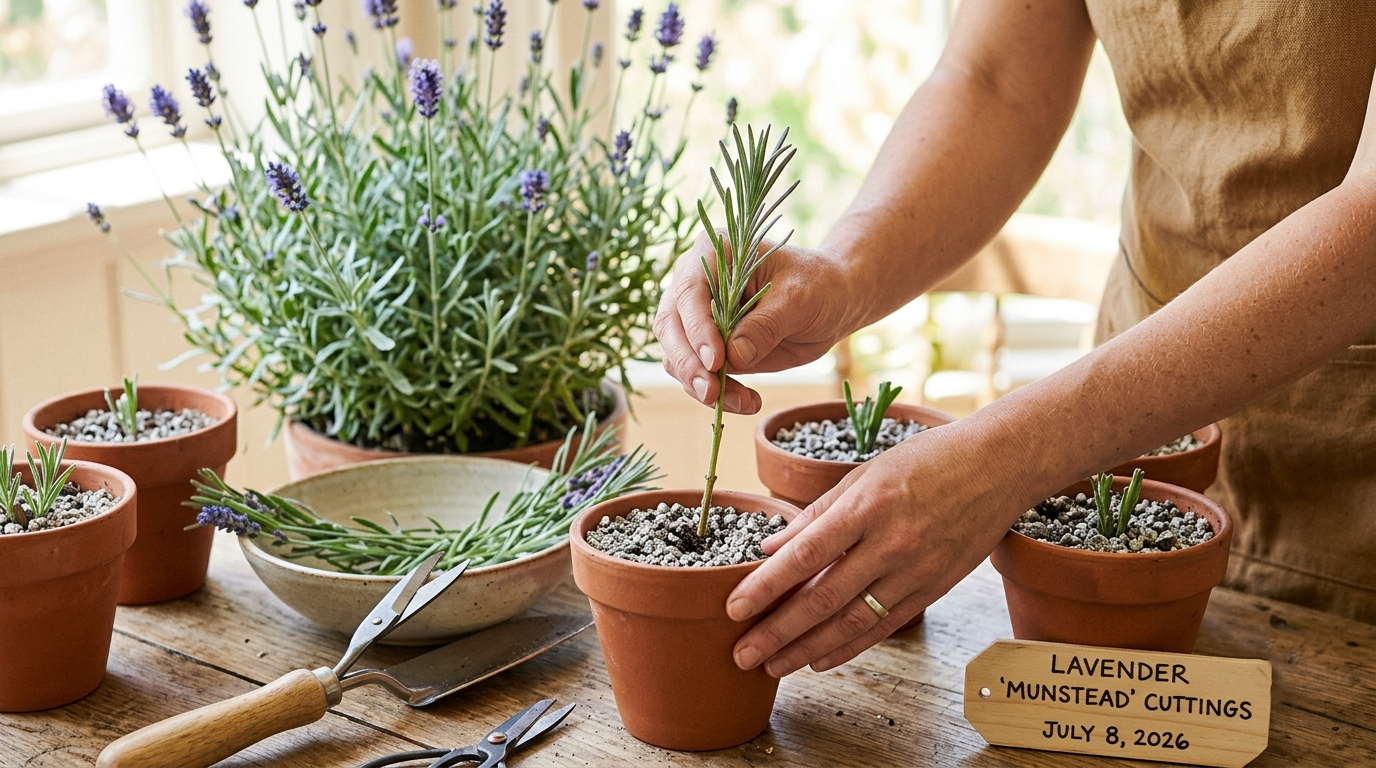
Turn one lavender plant into many, for free. A tested, step-by-step guide to taking and rooting lavender cuttings — when to do it, the gritty mix that prevents rot, and how long they take to root.
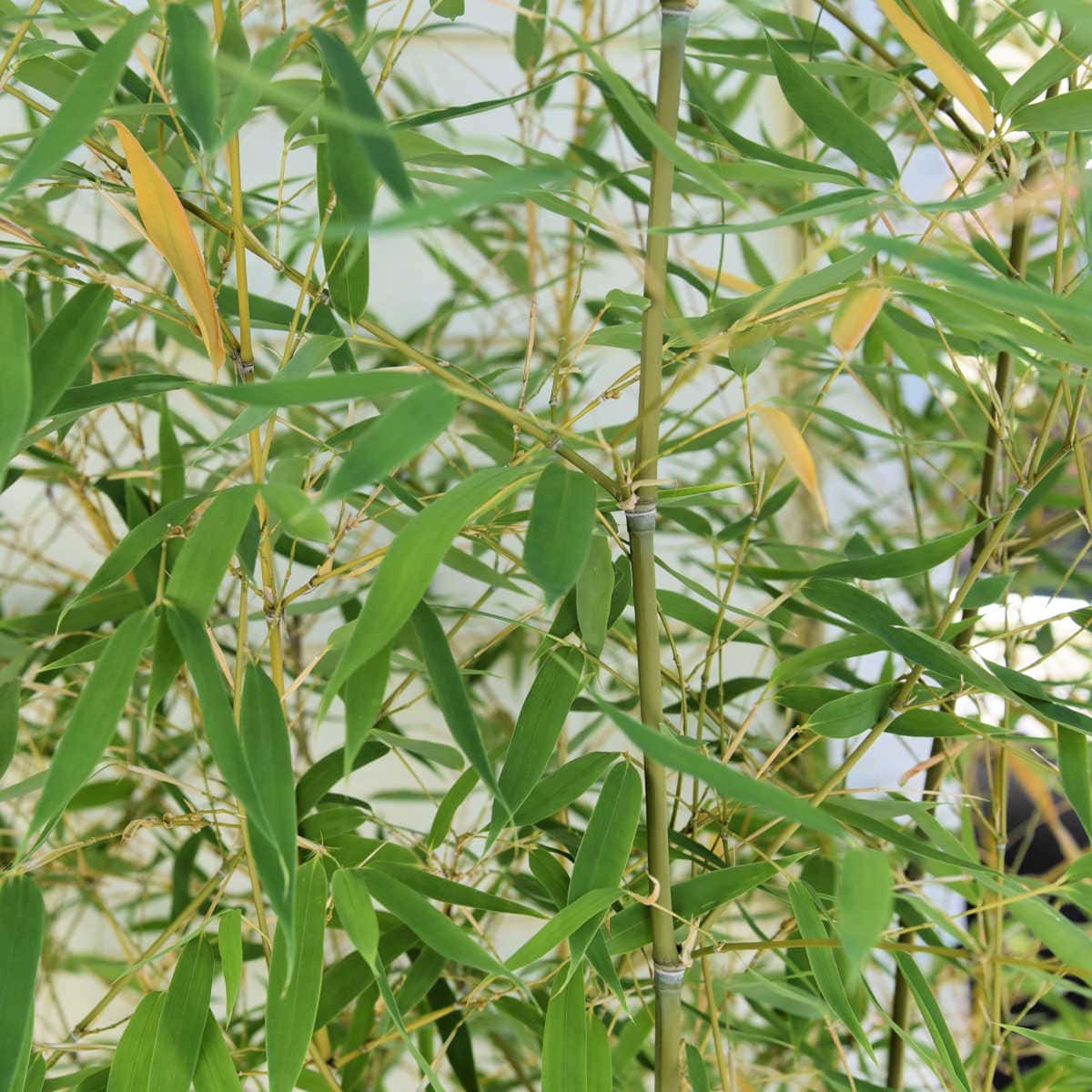
The saw’s teeth whined, a metallic protest against the dense, fibrous heart of the bamboo. Sawdust, smelling faintly of cut grass and earth, rained down. It felt like a barbaric act, cleaving the intertwined roots – a forced separation. I braced myself against a pang of guilt. Would these severed pieces thrive? Or would they languish, a monument to my misguided ambition? Then, a hopeful green shoot, unfurling like a newborn’s hand, reassured me. The bamboo wouldn’t surrender; it would rise again, a testament to resilience, mirroring my own hopeful spirit.

The wind howls a mournful song, but inside, a tiny defiance blooms. Winter sowing is a secret whispered from gardener to gardener—a promise of vibrant life against a backdrop of frost. Imagine your seeds, tucked into repurposed jugs like miniature arks, weathering the storms. They wait, nestled in cool earth, dreaming of sunlight. It’s a gamble, a trust in nature’s rhythm. Will they awaken? Each peek into the translucent plastic is a held breath, a silent plea. Then, one day, the hopeful green emerges – a testament to endurance, a tiny flag of victory against the biting cold. The satisfaction? A bloom in your own heart.
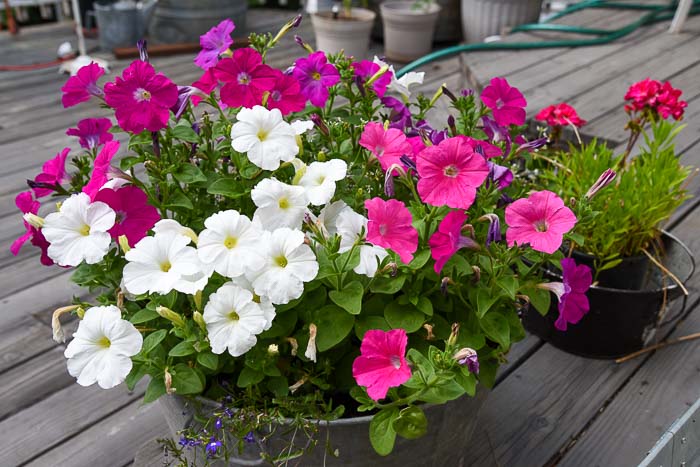
Snip! The verdant stem, a fragrant sacrifice, lies severed on the table. Reluctantly, I pinch off leaves, leaving the cutting looking forlorn, nearly naked. I plunge the base into rooting hormone, a powdery whisper of hope. Carefully, I slide it into the moist earth, tucking it in like a newborn. Now, the waiting begins. Each day, a silent vigil, a prayer whispered to the humid air enclosed by the clear dome. Will it thrive, a tiny victory against the odds? Or will it wither, a green ghost haunting my dreams? The suspense is a tightrope walk. But anticipation blooms with each passing day.