
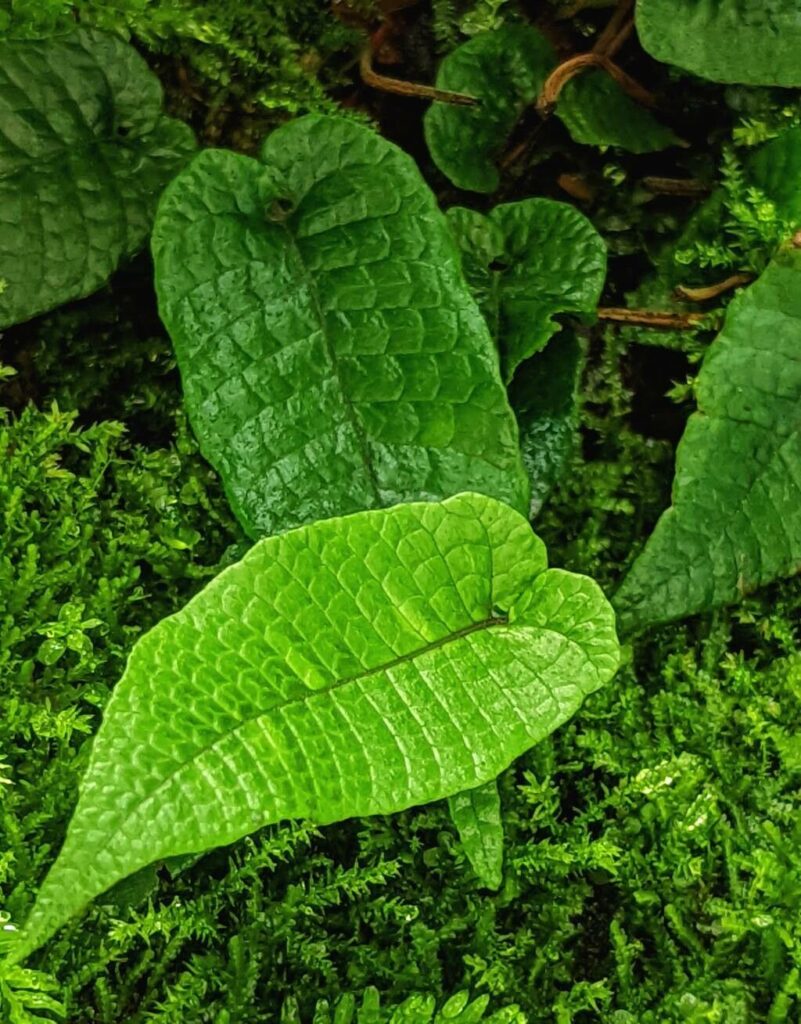
Thelypteris Simplex: Unlocking the Secrets of This Easy-to-Propagate Fern
Thelypteris simplex, also known as the “Simple Shield Fern,” is a beautiful, hardy fern that can add a touch of elegance and natural beauty to your garden. This versatile plant thrives in a range of conditions, making it a popular choice for both seasoned gardeners and beginners. But the real magic of Thelypteris simplex lies in its remarkable ease of propagation.
What is Propagation?
Before we dive into the specifics of propagating Thelypteris simplex, let’s clarify what propagation means. Essentially, it’s the process of creating new plants from existing ones. This allows you to multiply your favorite plants without having to invest in new ones, giving you an abundance of greenery to decorate your home or garden.
Methods of Propagation for Thelypteris Simplex:
Thelypteris simplex can be propagated through several methods, each with its own advantages and suitability:
1. Spore Propagation:
This method involves collecting the tiny spores produced on the underside of the mature fern fronds.
- How to Collect Spores: Carefully cut off a few mature fronds with ripe sporangia (spore-bearing structures). Place the fronds in a paper bag and allow them to dry for a few days. The spores will release and fall to the bottom of the bag.
- Sowing the Spores: Fill a shallow seed tray with sterile potting mix and mist it evenly. Scatter the collected spores thinly over the surface and gently press them into the soil.
- Maintaining a Controlled Environment: Cover the tray with a clear plastic dome or a sheet of glass to create a humid environment. Keep the soil moist and the tray in a warm, bright location but out of direct sunlight.
- Germination: Spores can take several weeks or even months to germinate, so patience is key. Once seedlings emerge, thin them out to give them ample space to grow.
2. Division:
This is the most common and straightforward method for propagating Thelypteris simplex.
- Time for Division: Spring or early fall are ideal for dividing this fern.
- Preparing the Plant: Carefully dig up the existing fern and separate the clump into two or more pieces. Each division should have at least a few healthy rhizomes and fronds.
- Planting the Divisions: Plant the divided sections in individual pots or directly into the garden soil. Be sure to water them well to help them establish roots.
3. Rhizome Cuttings:
This technique involves using a portion of the rhizomes to create new plants.
- Taking Cuttings: Carefully dig up the rhizome and cut it into pieces, making sure each piece has at least one bud and a few roots.
- Planting Cuttings: Plant the cuttings in pots or directly into the garden soil, ensuring that the bud faces upwards. Keep the soil moist and the pots in a shady location until new growth appears.
Tips for Success:
- Choose healthy parent plants: Ensure you’re using healthy, vigorous ferns to maximize your success rate.
- Use sterile tools: This will help prevent the spread of diseases and pests.
- Maintain consistent moisture: Regularly monitor the soil and water as needed to keep it moist but not waterlogged.
- Provide adequate light: While Thelypteris simplex tolerates shade, providing some indirect sunlight will encourage robust growth.
Conclusion:
Propagating Thelypteris simplex is a rewarding process that allows you to multiply your favorite plant while enjoying the thrill of watching new ferns emerge. Whether you choose spores, division, or rhizome cuttings, success is within reach with a few basic tips and a touch of patience. So, grab your gardening tools, embrace the magic of fern propagation, and revel in the breathtaking beauty that Thelypteris simplex offers!