
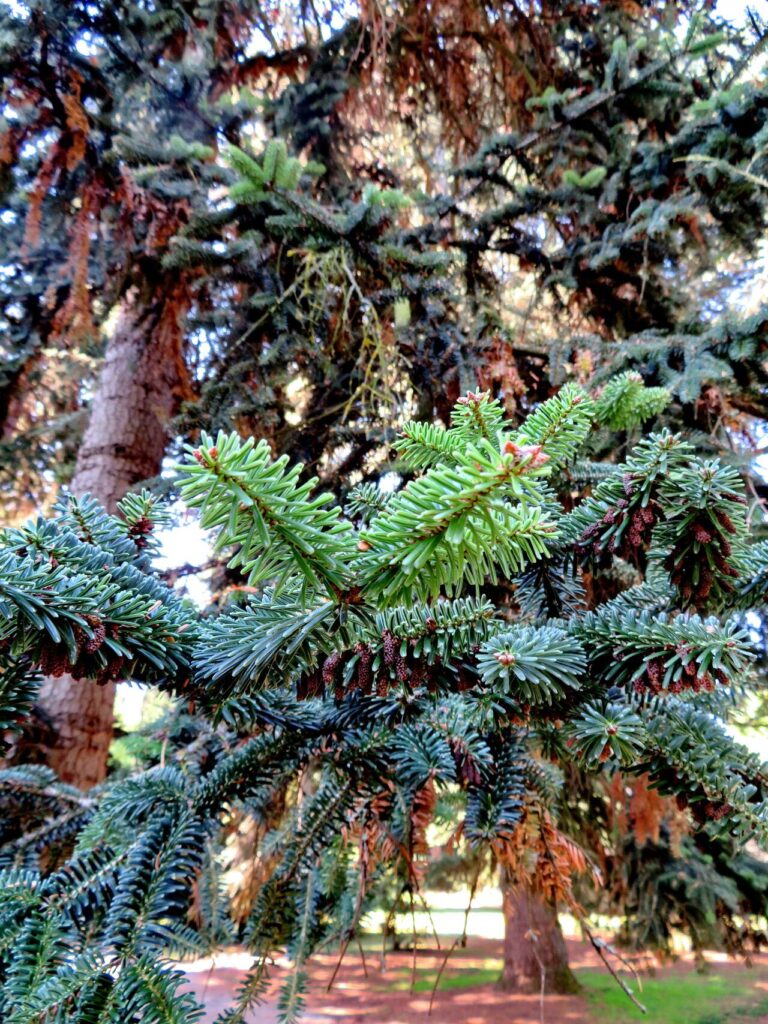
Propagating the Algerian Fir (Abies numidica): A Gardener’s Challenge
Introduction:
Abies numidica, commonly known as the Algerian Fir, is a majestic evergreen conifer endemic to the Atlas Mountains of Algeria and Morocco. Its striking bluish-green needles, conical form, and impressive size make it a highly sought-after species among discerning gardeners, although its rarity contributes to its limited availability. Propagation, therefore, presents a unique and rewarding challenge for plant enthusiasts. Its relatively slow growth and specific environmental needs contribute to the difficulties inherent in its cultivation, making successful propagation even more satisfying.
Seed Germination:
Seed germination is a viable, though challenging, method for propagating Abies numidica. The primary challenge lies in the seed’s dormancy and the need for specific environmental conditions to break it. Many fir species require a period of cold stratification – mimicking the winter conditions experienced in their natural habitat.
Challenges: Low germination rates are common, even with proper stratification. Seed viability can also be an issue, depending on the age and source of the seeds. Fungal diseases can impact germination success.
Practical Tips: Seeds should be collected from mature cones in the autumn and cleaned. Stratification should be undertaken for at least 3 months at temperatures between 2°C and 5°C (35°F and 41°F) in moist peat or vermiculite. Sow stratified seeds in a well-drained seed-starting mix, keeping consistently moist but not waterlogged. Germination usually takes several weeks to months. Gently mist the seedlings regularly, protecting them from direct sunlight.
Rewards: Seed propagation offers the potential for large-scale propagation and high genetic diversity within the resulting population, crucial for the long-term conservation of this endangered species.
Cuttings:
Currently, there are no known reliable methods for propagating Abies numidica from cuttings. The difficulty likely stems from the fir’s recalcitrant nature – its difficulty in rooting – which is common among conifers.
Division:
Division is not a feasible method for propagating Abies numidica. This species doesn’t readily produce offsets or suckers that could be separated and transplanted.
Tissue Culture:
Tissue culture offers a potential, albeit advanced, method for propagating Abies numidica. This technique involves growing plant cells in a sterile nutrient medium, allowing for the production of numerous plantlets from a small tissue sample.
Challenges: Establishing a successful tissue culture protocol requires specialized knowledge, equipment, and a sterile laboratory environment. The optimal growth medium and hormone levels must be carefully determined. Contamination is a significant risk.
Practical Tips: This method requires specialized training and resources, and is typically undertaken in research laboratories or specialized nurseries.
Rewards: Tissue culture offers the potential for rapid and large-scale propagation, producing genetically uniform plants. It’s particularly valuable for preserving rare or endangered species.
Conclusion:
Propagating Abies numidica presents significant challenges, with seed germination presenting the most accessible, albeit still difficult, method. While cuttings and division are not practical, tissue culture offers a potential solution for larger-scale propagation, albeit requiring specialized knowledge and resources. The rewards, however, are substantial: the successful cultivation of this magnificent tree offers immense satisfaction, a testament to patience and horticultural skill. The potential for enhancing the conservation status of this endangered species adds another layer of significance to the effort. Aspiring propagators should start with seed germination, focusing on meticulous stratification and careful seedling care. While the journey may be demanding, the outcome – the successful establishment of an Algerian Fir – is undoubtedly worthwhile.