
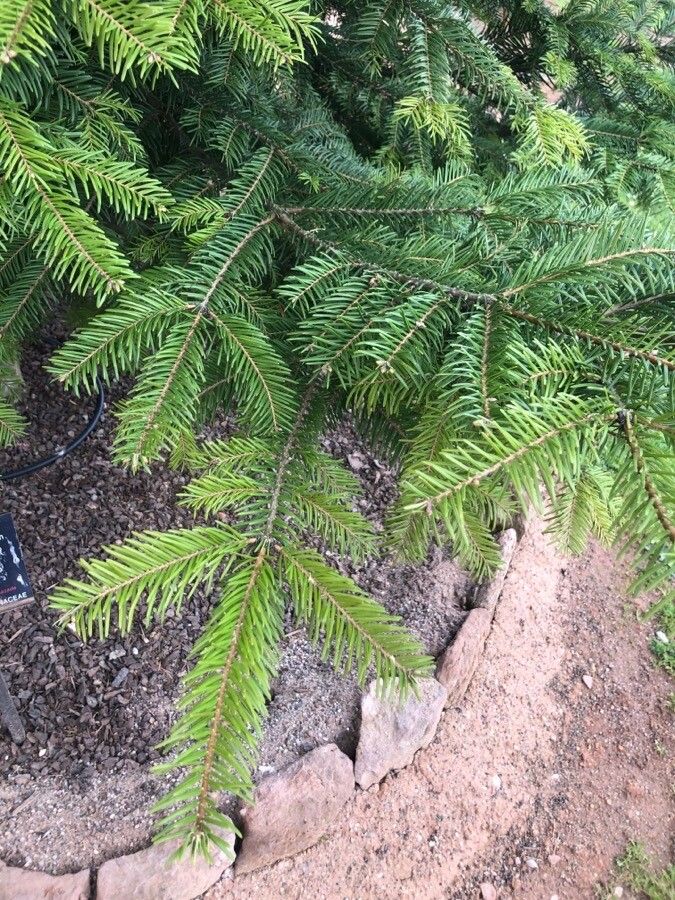
Propagating Abies religiosa: The Sacred Fir’s Journey from Seed to Sapling
Abies religiosa, commonly known as the sacred fir or oyamel fir, is a majestic evergreen conifer native to the mountains of central Mexico. Its striking silvery-white undersides to its needles, elegant pyramidal form, and cultural significance make it a highly sought-after tree among gardeners and arborists. However, propagating this species presents unique challenges, demanding patience and a meticulous approach. This article explores various propagation methods, outlining their viability, challenges, and rewards.
Seed Germination:
Seed germination is a viable, albeit challenging, method for propagating Abies religiosa. The primary hurdle lies in the seed’s requirement for stratification – a period of cold, moist treatment mimicking winter conditions. Without stratification, germination rates are extremely low.
Challenges: Seeds require a prolonged period of cold stratification (typically 60-90 days at temperatures between 33-41°F (0-5°C)). Improper stratification can lead to poor germination or complete failure. Furthermore, Abies religiosa seeds have a relatively short viability window, so freshness is crucial. Fungal disease can also be a significant problem during germination.
Practical Tips: Seeds should be collected from mature cones in the autumn, cleaned, and mixed with a slightly moist, sterile medium like perlite or vermiculite. The mixture should then be placed in a sealed container and refrigerated for the required stratification period. After stratification, sow the seeds thinly on the surface of a well-draining seed-starting mix, lightly covering them with the same mix. Maintain consistent moisture and high humidity (using a plastic dome or humidity tray) until germination, which typically occurs within several weeks to a few months.
Rewards: Successful seed germination offers the highest genetic diversity, resulting in a population of seedlings with varying characteristics. This is particularly valuable for conservation efforts and creating a resilient population. Seed propagation allows for large-scale production, although it’s time-consuming and requires careful attention to detail.
Cuttings:
Currently, there are no known reliable methods for propagation of Abies religiosa from cuttings. Fir trees are notoriously difficult to propagate vegetatively, and Abies religiosa seems to be no exception.
Division:
Division is not a viable method for propagating Abies religiosa. This species develops a single, substantial taproot, making division impractical and highly damaging to the plant.
Tissue Culture:
While tissue culture is a potentially viable method for propagating Abies religiosa, it requires specialized laboratory equipment and expertise.
Challenges: Establishing sterile conditions and developing optimal culture media are crucial for success. Success rates can be variable and dependent on factors such as the age and health of the source material, as well as the specific culture protocols adopted. The process is expensive and requires specialized knowledge.
Practical Tips: This method is best left to experienced tissue culture laboratories.
Rewards: Tissue culture permits the rapid production of genetically uniform plants, ideal for large-scale propagation of superior genotypes. It also offers a way to propagate rare or endangered varieties.
Conclusion:
Propagating Abies religiosa presents significant challenges across all methods. Seed germination offers the most accessible route, though it demands meticulous attention to detail during stratification and sowing. Cuttings and division are essentially unsuitable. Tissue culture provides potential for large-scale propagation but requires specialized knowledge and resources. The rewards, however, are substantial: the satisfaction of nurturing these magnificent trees from seed or tissue, contributing to their conservation, or simply enjoying their beauty in your own garden makes the effort well worth it for dedicated enthusiasts. Patience, persistence, and a willingness to learn from successes and failures are key to success in cultivating this remarkable species. Don’t be discouraged by initial setbacks; the journey, as much as the destination, is rewarding.