
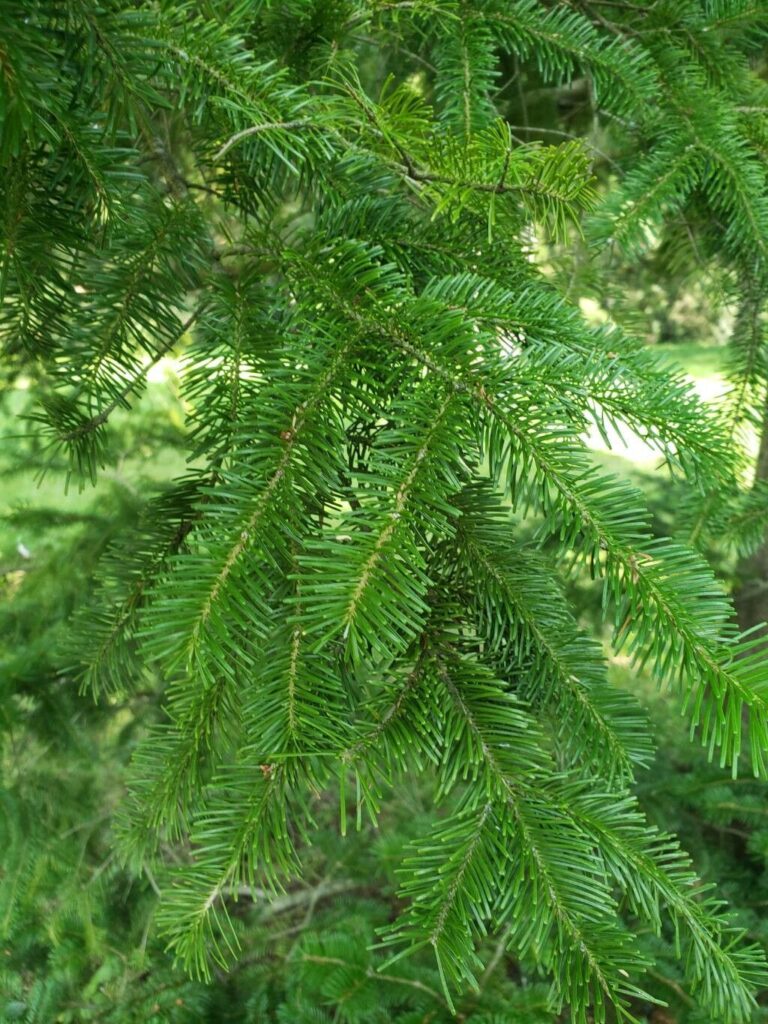
Propagating Abies sachalinensis: The Sakhalin Fir
Introduction:
Abies sachalinensis, commonly known as the Sakhalin fir, is a majestic evergreen conifer native to the Sakhalin Island of Russia, the Kuril Islands, and northernmost Hokkaido, Japan. Characterized by its elegant, pyramidal form, soft bluish-green needles, and attractive cones, it’s a highly sought-after ornamental tree for landscapes, particularly in cooler climates. Its tolerance of shade and wind makes it a valuable addition to gardens, but its slow growth and somewhat challenging propagation contribute to its exclusivity. This article explores various methods for propagating Abies sachalinensis, outlining the challenges and rewards associated with each.
Seed Germination:
Seed germination is a viable, albeit challenging, method for propagating Abies sachalinensis. The main challenge lies in the necessity of stratification – a period of cold, moist storage to break seed dormancy. Without stratification, germination rates are extremely low.
Challenges: Seeds require a period of cold stratification of approximately 2-4 months at temperatures between 33-41°F (0-5°C). Even with proper stratification, germination rates can be inconsistent, often ranging from 20-50%, depending on seed quality and environmental factors. Seed collection must be timed correctly to harvest mature, but not yet dispersed, seeds.
Practical Tips: Seeds should be collected from mature cones in autumn and thoroughly cleaned of debris. Stratification can be achieved by mixing seeds with moist peat moss or vermiculite and storing them in a sealed plastic bag in the refrigerator. Sow stratified seeds in a well-draining seed-starting mix, ensuring shallow planting depth. Keep the sowing medium consistently moist but not waterlogged.
Rewards: Seed propagation offers the advantage of genetic diversity, leading to a wider range of plant characteristics. Furthermore, it’s a relatively inexpensive method suitable for large-scale propagation if germination rates are optimized.
Cuttings:
Propagating Sakhalin fir from cuttings is generally considered difficult and unreliable.
Challenges: Abies sachalinensis cuttings have a low rooting success rate. Hormone treatments and specialized propagation environments are crucial, and even then, success is not guaranteed.
Practical Tips: While some sources suggest trying hardwood cuttings in late autumn or early spring, the success rate remains extremely low and requires significant expertise in plant propagation techniques. No standard method has proven consistently reliable.
Division:
Division is not a practical method for propagating Abies sachalinensis. This species doesn’t readily form offsets or suckers, making division impossible.
Tissue Culture:
Tissue culture offers a promising, albeit technically demanding, method for propagating Abies sachalinensis.
Challenges: Establishing sterile culture conditions and maintaining aseptic procedures throughout the propagation process is paramount. Developing the appropriate nutrient media and growth regulators for optimal shoot proliferation and rooting requires specialized knowledge and experience.
Practical Tips: This method requires a specialized laboratory setting with expertise in plant tissue culture techniques. This approach is costlier than other methods but offers the highest potential for consistent success and large-scale cloning of superior genetic lines.
Rewards: Tissue culture allows for the multiplication of elite cultivars and genetically superior individuals with desirable characteristics.
Conclusion:
Propagating Abies sachalinensis presents unique challenges across all methods. While seed germination offers a comparatively easier (though still inconsistent) approach than cuttings, the rewards of genetic diversity make it worthwhile for patient propagators. Tissue culture holds the most promise for large-scale propagation and maintaining specific traits, yet demands a high level of technical expertise. The inherent difficulty in propagating this beautiful species underscores the satisfaction derived from successfully cultivating it. The patience, attention to detail, and specialized knowledge required are all rewarded not just by the magnificent result, but also the deep understanding gained of this fascinating conifer. Aspiring propagators should thoroughly research suitable techniques before starting, focusing on seed germination as the most accessible starting point, or seeking the guidance of experienced horticulturalists with knowledge of tissue culture techniques.