
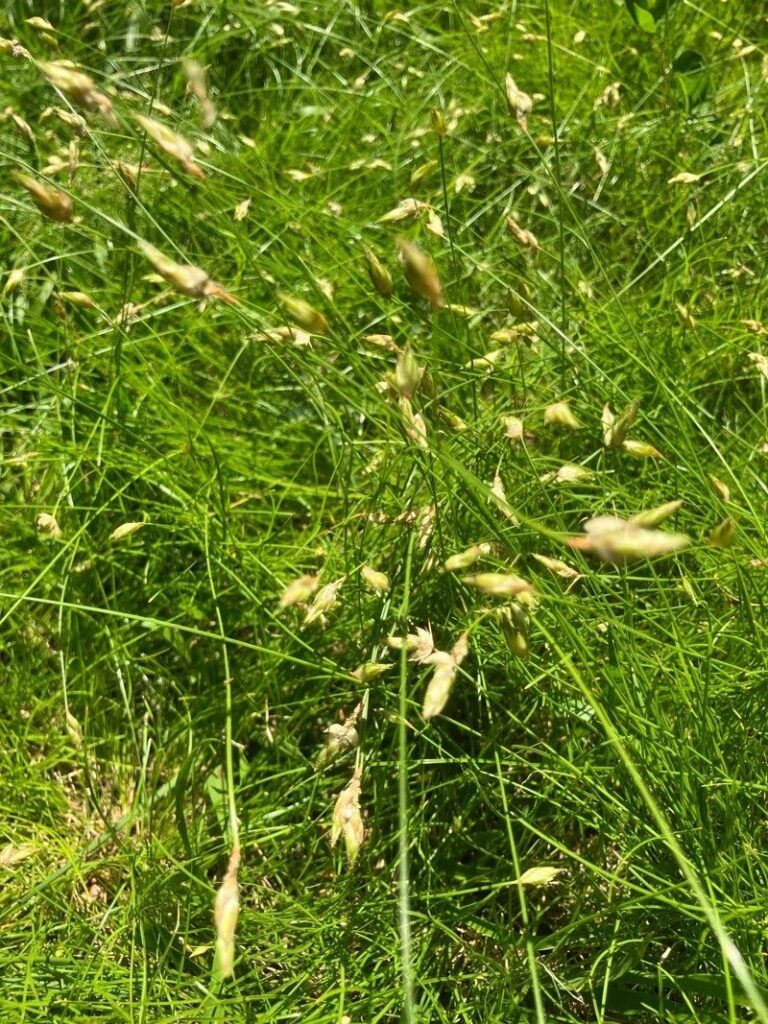
Unlocking the Secrets of Abildgaardia Ovata: A Guide to Propagation
Abildgaardia ovata, also known as the false nutsedge, might sound like an exotic delicacy, but this intriguing plant is actually a resilient and adaptable sedge with delicate, starburst-shaped seed heads. While its presence can be a mixed blessing in lawns (some consider it a weed), its unique beauty and hardy nature make it a fascinating subject for propagation.
So, whether you’re looking to manage its spread or cultivate its charm, understanding how to propagate Abildgaardia ovata is key. This guide will delve into the different methods, offering insights into successfully multiplying this fascinating plant.
Two Paths to Propagation
Abildgaardia ovata employs two primary methods for propagation:
-
Seeds: Similar to many plants, Abildgaardia ovata generously produces seeds that are easily dispersed by wind and water. These tiny, brown seeds are incredibly resilient, capable of remaining dormant in the soil for extended periods before germinating when conditions are favorable.
- Tubers (Underground Stems): Beyond seeds, this persistent sedge also spreads through underground stems known as tubers. These tubers, found at the end of rhizomes, are efficient storage units packed with nutrients that allow the plant to regrow even after the visible foliage has been removed.
Propagating from Seeds:
While collecting and sowing seeds directly offers a straightforward propagation method, it’s worth noting that Abildgaardia ovata seeds have a relatively low germination rate. To increase your chances of success:
- Collection: Collect mature seeds from dried seed heads in late summer or early fall.
- Sowing: Sprinkle seeds on the surface of well-draining soil in spring or early summer. Lightly press them down but avoid burying them deeply.
- Conditions: Provide ample sunlight and consistent moisture for germination, which can take several weeks.
Propagating from Tubers:
Dividing established clumps is an effective way to propagate Abildgaardia ovata from tubers:
- Timing: Spring or early fall, when the weather is cool and moist, are ideal times for division.
- Lifting: Carefully dig up a portion of the clump, ensuring you capture a section of rhizome with attached tubers.
- Separation: Using a sharp knife or garden shears, divide the clump into smaller sections, each containing healthy tubers and roots.
- Replanting: Replant the divisions immediately in well-prepared soil, spacing them according to the desired spread.
Managing Abildgaardia Ovata:
While understanding its propagation methods can aid in cultivating this unique sedge, it can also be beneficial for those who may find it appearing uninvited in their gardens:
- Preventative Measures: Regularly monitor your garden and remove any emerging seedlings before they have a chance to establish themselves. Maintaining a healthy, thick lawn can also outcompete seedlings.
- Control: Consistent hand-pulling or digging out established plants, ensuring you remove the entire root system, including tubers, is crucial for effective control.
A Final Word:
Abildgaardia ovata, with its fascinating propagation methods and resilient nature, presents a compelling case study in the diverse world of plants. Whether you see it as a welcome guest or a tenacious visitor, understanding its lifecycle and propagation strategies empowers you to manage and appreciate this remarkable sedge.