
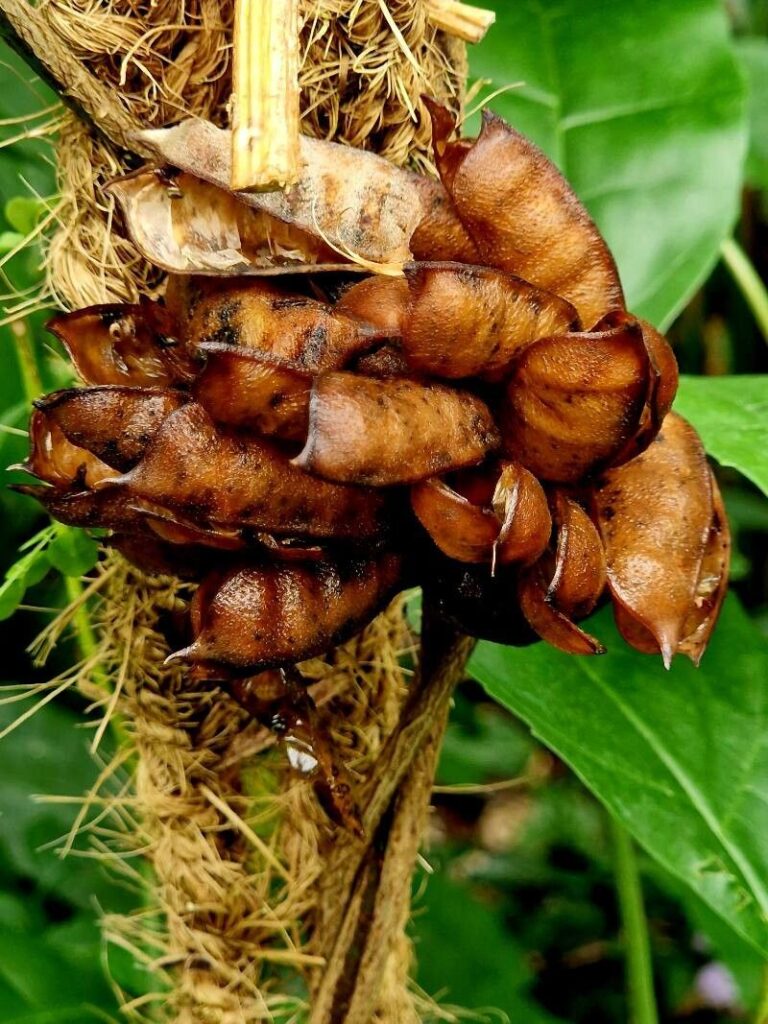
Propagating Abrus precatorius: The Challenges and Rewards of Cultivating Jequirity Bean
Introduction:
Abrus precatorius, commonly known as jequirity bean, rosary pea, or crab’s eye, is a slender, climbing legume native to tropical regions. Its striking, bright red seeds with a black spot are highly recognizable and have unfortunately led to its popularity in jewelry making, posing a significant health risk due to the exceptionally potent toxin abrin they contain. Despite this inherent danger, the plant itself possesses a certain horticultural appeal with its delicate foliage and attractive flowers. Cultivating jequirity bean requires caution, and propagation presents unique challenges. The following explores various methods, weighing their efficacy and risks.
Seed Germination:
Currently, there are no known reliable methods for seed germination propagation of Abrus precatorius. The seeds’ hard coat and the presence of abrin present significant obstacles. While some anecdotal reports exist of germination under specific conditions, consistency remains elusive, making this method unreliable for any practical propagation. The high toxicity also necessitates extreme safety precautions, making this a method best avoided by the average gardener.
Cuttings:
Cuttings represent a more promising method for Abrus precatorius propagation. The plant readily produces new growth from stem cuttings.
- Challenges: The success rate can vary depending on factors such as cutting maturity, environmental conditions (humidity and temperature), and the use of rooting hormone. Rotting is a significant risk if proper sanitation and aeration aren’t maintained.
- Practical Tips: Take semi-hardwood cuttings (partially mature stems) in spring or early summer. Use a sharp, clean blade to minimize tissue damage. Treat the cuttings with a rooting hormone to enhance root development. Plant the cuttings in a well-draining, moist propagation mix under high humidity, ideally using a propagator or covering with a plastic bag to maintain humidity. Ensure adequate light but avoid direct sunlight.
- Rewards: Cuttings propagation offers a relatively straightforward method of creating genetically identical copies of a desirable mother plant. This is particularly useful for preserving specific traits.
Division:
Division of established plants is another possible but less frequently used method.
- Challenges: Abrus precatorius is generally a climbing plant, not a clump-forming one, limiting the applicability of division. Mature plants may be quite large and difficult to safely and effectively divide. Damage to the root system can lead to plant death.
- Practical Tips: If division is attempted, it’s crucial to ensure each division receives a substantial portion of the root system and adequate foliage. Handle the plant carefully to avoid damage. Plant the divisions promptly in a suitable environment.
- Rewards: Similar to cutting, this method allows for rapid propagation of select plants but is significantly limited by the plant’s growth habit.
Tissue Culture:
Tissue culture offers a potential avenue for large-scale propagation of Abrus precatorius and could overcome some of the difficulties of other methods.
- Challenges: Establishment of a sterile tissue culture protocol requires specialized laboratory equipment, skills, and aseptic techniques. The successful establishment and multiplication of explants (plant tissues) might be challenging due to the plant’s specific tissue characteristics. The process can be costly and time-consuming.
- Practical Tips: This propagation method is best left to professionals. Researchers and scientists with tissue culture expertise are needed to develop reliable protocols.
- Rewards: Tissue culture offers the potential for rapid mass propagation, disease-free plantlets, and the exploration of genetic manipulation for improved traits.
Conclusion:
Propagating Abrus precatorius presents a unique set of challenges. While seed germination is currently impractical, cuttings offer a reasonable approach for gardeners with experience in propagation. Division is limited by the plant’s growth habit, leaving tissue culture as the most promising method for large-scale and controlled propagation, although demanding specialized knowledge and resources. The rewards, however—cultivating this visually appealing but dangerous plant successfully—provide a sense of accomplishment that outweighs the difficulties for determined propagators. Remember to prioritize safety at all times, handling the plant and its seeds with extreme caution due to the presence of abrin. Always wear gloves and protective eyewear. The inherent risks should never be underestimated when working with Abrus precatorius.