
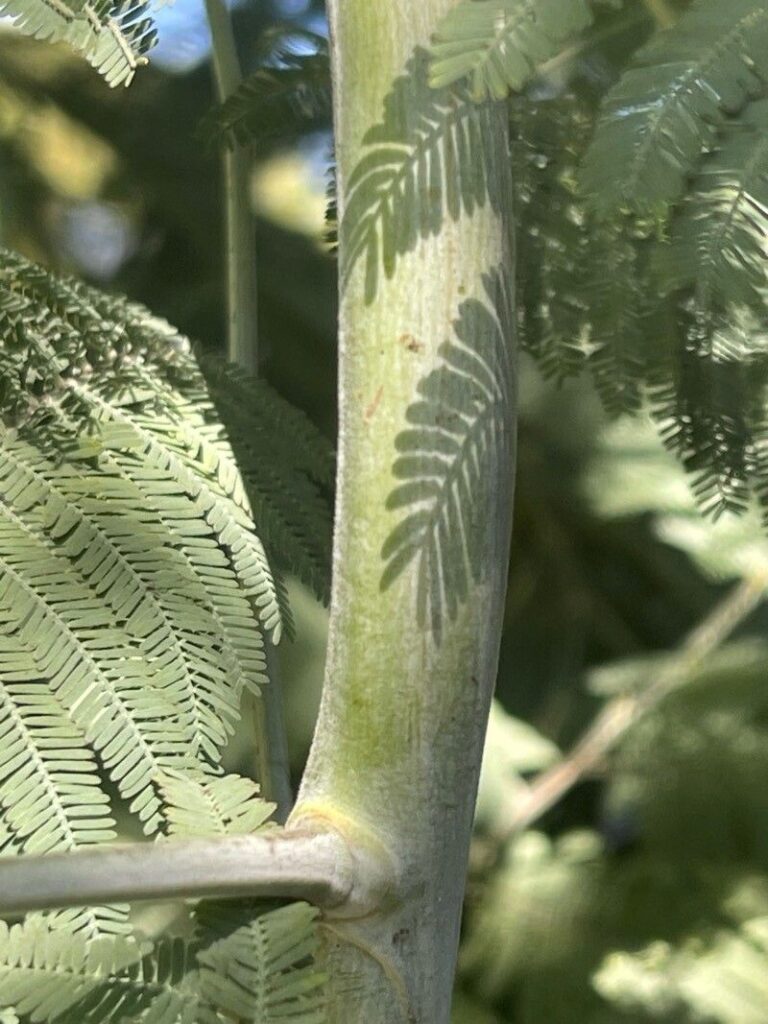
Propagating Acacia dealbata: Silver Wattle’s Secrets Revealed
Introduction:
Acacia dealbata, commonly known as Silver Wattle, is a fast-growing, medium-sized tree prized for its elegant, silvery-grey foliage and fragrant, yellow flowers. Its beauty and adaptability have made it a popular choice among gardeners worldwide, particularly in regions with a Mediterranean climate. However, its prolific self-seeding can also be considered a drawback in some landscapes. This adaptability, alongside its relatively easy propagation through some methods, makes it a rewarding, albeit sometimes challenging, plant to cultivate from scratch. The unique aspect of its propagation lies in the need to consider the potential invasiveness of this species in certain environments; responsible propagation practices are crucial.
Seed Germination:
Seed germination is a viable method for propagating Acacia dealbata, but it presents some challenges. The hard seed coat inhibits water uptake, requiring pre-treatment to break dormancy. This is typically achieved through scarification. Methods include nicking the seed coat with a file or sandpaper, or soaking the seeds in boiling water for a few seconds (immediately followed by a cold water rinse) to create a thermal shock.
Challenges: Inconsistent germination rates are common, even with scarification. Seed viability can vary depending on seed source and storage conditions.
Practical Tips: After scarification, sow seeds in a well-draining seed-starting mix. Maintain consistently moist (but not waterlogged) conditions. Warm temperatures (around 20-25°C) are beneficial. Germination can take several weeks.
Rewards: Successful seed germination offers access to significant genetic diversity, leading to a wider range of plant characteristics. It’s also a cost-effective method suitable for large-scale propagation.
Cuttings:
Cuttings are another relatively successful propagation method for Acacia dealbata.
Challenges: Success rates can be moderate, dependent on timing and technique. Using semi-hardwood cuttings taken in late summer or early autumn generally yields better results than using softwood cuttings.
Practical Tips: Select healthy, actively growing shoots, about 10-15cm long. Remove lower leaves to prevent rotting. Dip the cut ends in a rooting hormone powder before planting in a moist, well-draining propagation mix. Maintain high humidity (e.g., using a plastic propagation dome or humidity tent) and bottom heat (around 20-25°C). Rooting typically takes several weeks.
Rewards: Cuttings produce genetically identical plants to the parent, preserving desirable traits.
Division:
Division is generally not a practical method for propagating Acacia dealbata. The plant’s root system is not easily divisible into viable, independent units.
Challenges: Currently, there are no known reliable methods for propagation of Acacia dealbata via division.
Tissue Culture:
Tissue culture is a viable but technically advanced method.
Challenges: This method requires specialized equipment, sterile conditions, and expertise in plant tissue culture techniques. It is generally not a feasible option for home gardeners.
Practical Tips: This method involves establishing sterile cultures from small pieces of plant tissue (e.g., shoot tips) on a nutrient medium. The cultures are then induced to produce roots and shoots, finally being transferred to soil.
Rewards: Tissue culture allows for rapid multiplication of elite plants and the production of disease-free plants.
Conclusion:
Propagating Acacia dealbata presents a range of challenges and rewards dependent on the chosen method. Seed germination offers the greatest potential for genetic diversity but suffers from inconsistent germination rates. Cuttings provide genetically identical plants but with moderate success rates. Division is ineffective, and tissue culture, while offering the most efficient and controlled reproduction, demands significant expertise and resources. The unique satisfaction in successfully propagating Acacia dealbata stems from overcoming these hurdles. The graceful silver foliage and fragrant blooms reward the patience and effort invested in the process. For aspiring propagators, begin with cuttings or seed germination, paying close attention to the practical tips detailed above. Remember to be mindful of the potential invasiveness of this species and practice responsible propagation. The journey, even with its challenges, is a valuable learning experience and a testament to the enduring fascination with cultivating nature’s beauty.