
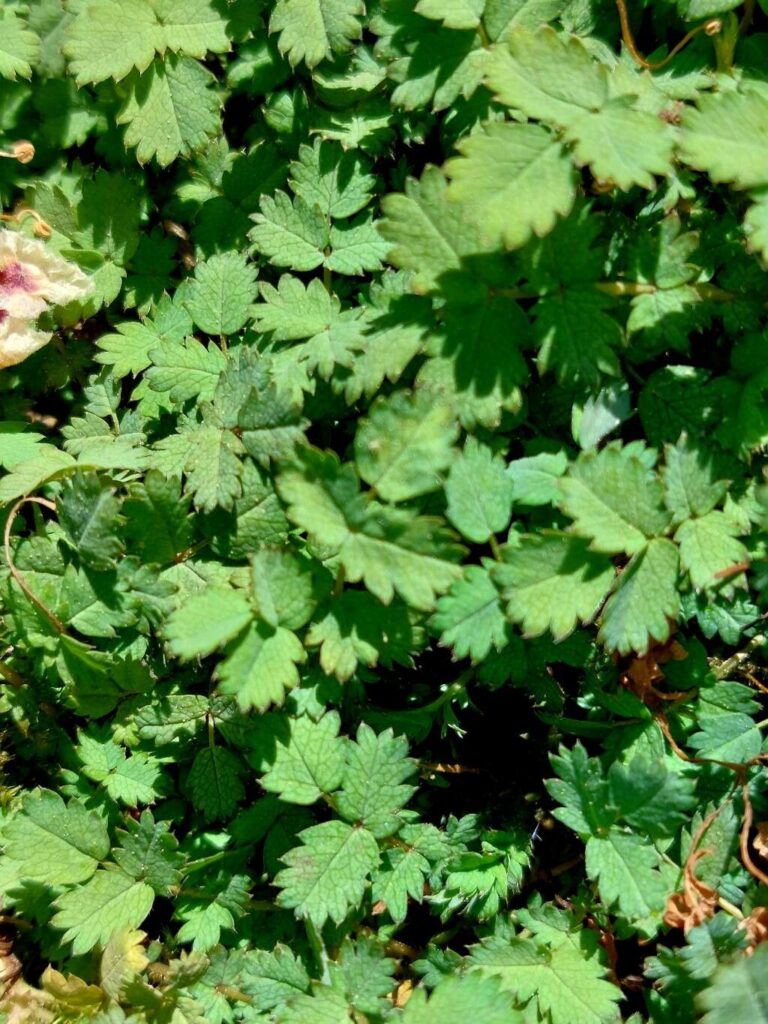
Propagating Acaena buchananii: A Guide to Cultivating the Pirri Pirri Burr
Acaena buchananii, commonly known as Pirri Pirri Burr, is a charming, low-growing groundcover prized for its dense, finely textured foliage and attractive, spiky seed heads. Its tolerance to a range of conditions, including drought and poor soils, makes it a popular choice among gardeners seeking a robust and relatively low-maintenance plant for borders, rockeries, or as a groundcover to suppress weeds. Its unique aesthetic, with its vibrant green foliage and reddish-brown seed heads providing year-round interest, adds to its appeal. However, propagation can prove challenging, making success all the more rewarding.
Seed Germination:
Currently, there are no known reliable methods for seed germination propagation of Acaena buchananii. While seeds may be produced, their germination rates are extremely low, and the process is generally considered unreliable for practical propagation.
Cuttings:
Cuttings offer a more viable method for propagating Acaena buchananii.
-
Challenges: While successful, rooting cuttings can be slow and requires specific conditions. The success rate can vary depending on the time of year and the quality of the cutting material.
-
Practical Tips: Take semi-hardwood cuttings in late summer or early autumn. Use a sharp knife or shears to remove 8-10cm long cuttings from healthy, non-flowering stems. Remove lower leaves and dip the cut end in rooting hormone powder. Plant the cuttings in a well-draining propagation mix (e.g., a mixture of peat and perlite), maintaining consistent moisture but avoiding waterlogged conditions. Cover with a humidity dome or plastic bag to maintain high humidity. Placing the cuttings in a warm, shaded location will promote root development. Regular misting can also help. Patience is key; rooting may take several weeks or even months.
- Rewards: Cuttings offer a relatively straightforward and reliable method to produce genetically identical plants, preserving desirable traits. They are suitable for small-scale propagation.
Division:
Division is a straightforward and highly effective method for propagating established plants of Acaena buchananii.
-
Challenges: Division is only possible for mature plants with well-developed root systems. It requires careful handling to avoid damaging the roots, which can impact the successful establishment of the divisions.
-
Practical Tips: The best time to divide Acaena buchananii is during spring or autumn when the plant is actively growing but not under stress. Gently dig up the entire plant, carefully separate it into smaller sections, ensuring each section has adequate roots and foliage. Replant the divisions immediately, ensuring they are well-watered.
- Rewards: Division is a quick and efficient method for increasing the number of plants. It’s a reliable way to obtain new plants with established root systems, resulting in faster establishment compared to cuttings.
Tissue Culture:
Tissue culture is a more advanced technique and not commonly used for propagating Acaena buchananii by home gardeners.
-
Challenges: Tissue culture requires specialized equipment, sterile conditions, and a significant level of horticultural expertise. It is a time-consuming and costly method.
-
Practical Tips: This method requires a controlled laboratory setting and is beyond the scope of a home gardener. It involves sterile media, explant preparation, and hormone application to stimulate shoot and root development.
- Rewards: Tissue culture enables the rapid clonal propagation of disease-free plants, allowing for large-scale cultivation and conservation efforts. However, this is most practical for commercial or research purposes.
Conclusion:
While seed propagation is not a viable option for Acaena buchananii, cuttings and division offer accessible and reliable methods for home gardeners. Cuttings require patience and attention to detail, while division offers a faster route to increased numbers of plants. Tissue culture remains a more advanced and specialised technique. The challenges involved in propagating this plant highlight the unique satisfaction derived from successfully cultivating it. Overcoming these hurdles, whether through carefully nurturing cuttings or expertly dividing a mature plant, represents a significant achievement and a testament to the gardener’s dedication. Don’t be discouraged by the potential difficulties; with perseverance and the right approach, the rewards of cultivating this attractive groundcover are well worth the effort.