
Propagating the Chenille Plant: A Guide to Growing Acalypha hispida
Introduction
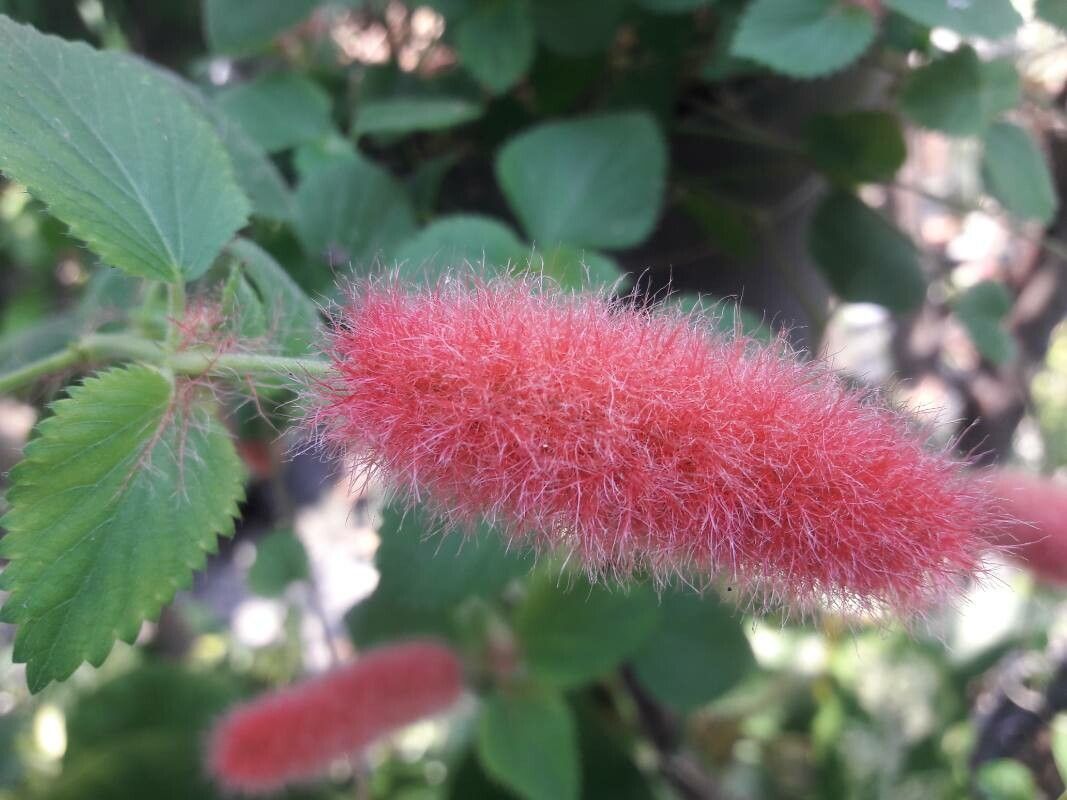
Acalypha hispida, commonly known as the chenille plant or foxtail plant, is a captivating tropical shrub prized for its striking, long, pendulous catkins resembling fuzzy chenille stems. These vibrant red, pink, or sometimes cream-colored inflorescences are the plant’s main attraction, making it a popular choice for both indoor and outdoor landscaping. Its unique appearance and relative ease of care, however, belies a certain challenge in its propagation. While achievable, generating new chenille plants requires understanding the nuances of each propagation method.
Seed Germination
Currently, there are no known reliable methods for seed germination propagation of Acalypha hispida. Successful seed production is rare in cultivation, and even when seeds are obtained, germination rates are exceptionally low. The plant’s reliance on specific pollinators in its native habitat likely contributes to this difficulty.
Cuttings
Cuttings represent the most reliable and widely practiced method for propagating Acalypha hispida.
Challenges: Rooting can be slow and requires consistent warmth and humidity. Use of rooting hormones significantly increases success rates
Practical Tips: Take semi-hardwood cuttings (about 4-6 inches long) from healthy, non-flowering stems in spring or early summer. Remove lower leaves to prevent rot, dip the cut ends in rooting hormone, and plant in a well-draining medium (e.g., a mix of perlite and peat moss) kept consistently moist but not waterlogged. Maintain high humidity using a propagation dome or plastic bag. A bottom heat mat can significantly speed up rooting.
Rewards: Cuttings produce genetically identical plants, preserving desirable characteristics. This method offers a relatively straightforward way to increase your stock of chenille plants.
Division
Division is a viable method, but limited by the plant’s size and established root system.
Challenges: Requires a mature, well-established plant that’s large enough to be safely divided without causing significant damage. The process can be disruptive to the parent plant.
Practical Tips: Carefully remove the plant from its container, gently separate the root ball into multiple sections, ensuring each division has sufficient roots and stems. Replant each division in a fresh potting mix. Water thoroughly and provide protection from direct sunlight until the plants re-establish themselves.
Rewards: Relatively quick establishment compared to cuttings, offering a fast way to multiply a desirable plant.
Tissue Culture
Tissue culture offers the potential for large-scale propagation of Acalypha hispida, bypassing the challenges of seed germination and cuttings.
Challenges: This method requires specialized equipment, sterile techniques, and a significant level of horticultural expertise. It’s not a practical method for the home gardener.
Practical Tips: This method requires specialized knowledge and equipment. It is best left to professionals or specialized laboratories.
Rewards: Large scale production of disease-free plants, rapid multiplication, and the potential to produce many plants from a single explant.
Conclusion
Propagating Acalypha hispida presents unique challenges, but the rewards of successfully cultivating this striking plant make the effort worthwhile. While seed germination is essentially unfeasible, cuttings offer a reliable method for the home propagator. Division is a possibility for larger, established plants, while tissue culture remains a specialized, high-yield option. The unique texture and color of the chenille plant’s inflorescences are a testament to perseverance. The satisfaction achieved in nurturing a cutting into a mature, flowering plant, overcoming the initial difficulties, provides a deeply rewarding experience for even seasoned gardeners. So, embrace the challenge, learn from any setbacks, and enjoy the journey of cultivating this captivating specimen.
