
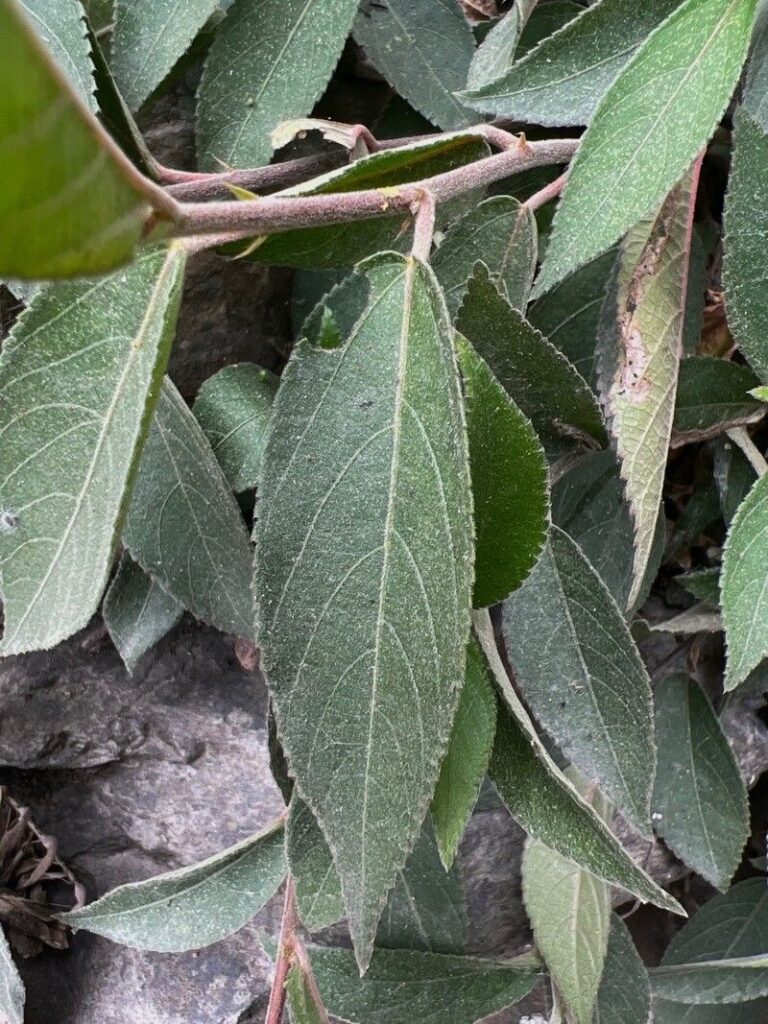
Propagating Acalypha phleoides: The Copperleaf Challenge
Acalypha phleoides, commonly known as the copperleaf or chenille plant (though this common name is often applied to other Acalypha species), is a striking ornamental plant prized for its vibrant, copper-colored foliage and unique flower spikes resembling fuzzy chenille stems. Its popularity among gardeners stems from its relatively easy cultivation and tolerance of a range of conditions, making it a versatile addition to gardens and landscapes. However, propagating Acalypha phleoides presents some unique challenges, particularly concerning seed germination.
Seed Germination:
Currently, there are no known reliable methods for seed germination propagation of Acalypha phleoides. Although the plant produces seeds, germination rates are exceptionally low, even under optimal conditions. This is likely due to factors such as seed dormancy mechanisms or specific germination requirements not yet identified by horticulturalists. Therefore, relying on seed propagation for this species is generally not recommended.
Cuttings:
Cuttings provide a far more reliable method for propagating Acalypha phleoides.
- Challenges: While successful, rooting can be slow depending on the environment and timing. Using older, semi-hardwood cuttings generally results in better success than using soft new growth. Overwatering or poor drainage can lead to rot before rooting occurs.
- Practical Tips: Take 4-6 inch cuttings from healthy, non-flowering stems in spring or early summer. Remove lower leaves, dip the cut end in rooting hormone, and plant in a well-draining propagation mix (e.g., perlite and peat moss). Maintain high humidity (using a humidity dome or misting regularly) and warmth. Rooting typically takes several weeks to a couple of months.
- Rewards: Cuttings offer a fast and efficient way to increase the number of plants, preserving the desirable traits of the parent plant.
Division:
Division is another viable method for propagating established Acalypha phleoides plants.
- Challenges: This method is only suitable for mature plants with well-developed root systems. Care must be taken to avoid damaging the roots during the division process, which could stress the plant and hinder its ability to re-establish itself.
- Practical Tips: Carefully dig up the mature plant, gently separating the root ball into smaller sections, each with its own set of stems and roots. Replant these divisions into individual pots or directly into the garden, ensuring adequate spacing. Water thoroughly after planting.
- Rewards: Division is a relatively simple method that enables quick propagation of several plants from a single specimen.
Tissue Culture:
Tissue culture propagation offers a high-potential albeit specialized technique for Acalypha phleoides.
- Challenges: This method requires specialized equipment, sterile laboratory conditions, and a strong understanding of plant tissue culture techniques. It’s not a feasible option for the average home gardener.
- Practical Tips: This procedure would involve obtaining a small sample of plant tissue (e.g., shoot tip), sterilizing it, and culturing it on a nutrient-rich agar medium under controlled conditions. This would then be sub-cultured to multiply the plantlets before transferring them to potting mix.
- Rewards: Tissue culture allows for the production of a large number of genetically identical plants and eliminates the risk of transmitting diseases. It is exceptionally valuable for the production and conservation of rare cultivars.
Conclusion:
Propagating Acalypha phleoides presents a variety of challenges, with seed propagation proving unreliable. Cuttings and division are the most accessible and successful methods for the average gardener. While tissue culture offers high-volume production, its complexity makes it impractical for most. Ultimately, the satisfaction of successfully growing Acalypha phleoides from a cutting or by division, overcoming the potential challenges in rooting or division, is deeply rewarding. The vibrant foliage and unique flowers more than compensate for the initial effort involved. Don’t be discouraged by potential setbacks – persistence pays off when cultivating this beautiful plant!