
Propagating Acalypha radinostachya: A Gardener’s Guide
Introduction
Acalypha radinostachya, also known as the chenille plant or foxtail plant (though these common names are often applied to other Acalypha species as well), is a captivating ornamental shrub prized for its exceptionally long, brightly colored, catkin-like inflorescences. These "foxtails," which can be red, pink, or even green depending on the cultivar, provide striking visual interest in gardens and landscapes. Its relatively low maintenance requirements and attractive form have made it a popular choice amongst home gardeners. However, propagation can present some unique challenges, making successful cultivation all the more rewarding. This article explores various methods of propagating Acalypha radinostachya, weighing their viability and effectiveness.
Seed Germination:
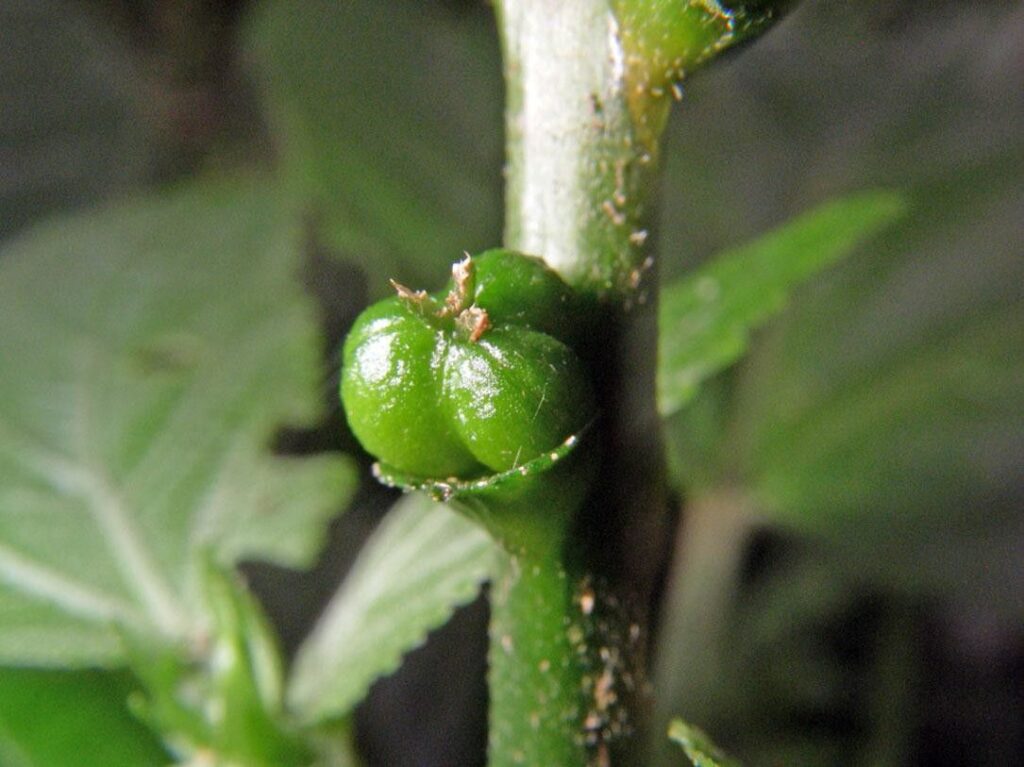
Currently, there are no known reliable methods for seed germination propagation of Acalypha radinostachya. While the plant does produce seeds, germination rates are notoriously low, and successful germination under controlled conditions has not been widely documented. Further research into specific seed treatment techniques or environmental requirements may be necessary to unlock the potential of seed propagation.
Cuttings:
Cuttings represent a significantly more reliable method for propagating Acalypha radinostachya.
Challenges: The primary challenge lies in achieving successful rooting. Semihardwood cuttings taken in late summer or early autumn generally yield the best results. Using a rooting hormone will greatly improve success rates.
Practical Tips: Take 4-6 inch cuttings from healthy, non-flowering stems, ensuring each cutting has several nodes. Remove lower leaves to prevent rotting and dip the cut end in a rooting hormone powder. Plant the cuttings in a well-draining propagating mix, keeping the humidity consistently high (e.g., using a humidity dome or regularly misting). Place in bright, indirect light, avoiding direct sun. Rooting typically takes several weeks.
Rewards: This method offers a straightforward way to quickly increase the number of plants, preserving the desirable traits of the mother plant.
Division:
Division is another feasible propagation method, particularly for established, larger plants.
Challenges: Care must be taken to avoid damaging the roots during division. The plant’s root system can be somewhat delicate. Each division needs to have sufficient root mass and healthy stems to survive.
Practical Tips: Divide the plant in early spring or late autumn during periods of dormancy. Lift the entire plant carefully, gently separating it into several sections, each with its own healthy root system and several stems. Plant the divisions immediately into well-prepared soil, ensuring they are watered adequately.
Rewards: Division is a relatively quick and easy method for increasing the number of plants from a mature specimen. It is less prone to failure compared to seed germination.
Tissue Culture:
Tissue culture offers a highly efficient method for large-scale propagation of Acalypha radinostachya.
Challenges: Tissue culture requires specialized equipment and a sterile environment. It is a more technically demanding method and is not suitable for home propagation. Developing an effective protocol may require significant experimentation.
Practical Tips: This method would involve establishing aseptic cultures from shoot tips or nodal segments on suitable media. Careful selection of growth regulators is crucial for shoot proliferation and root development. Experienced laboratory technicians are usually required.
Rewards: Tissue culture allows for rapid multiplication of genetically identical plants, ideal for commercial propagation and for ensuring uniform quality.
Conclusion
Propagating Acalypha radinostachya presents a unique set of challenges, with seed germination proving unreliable currently. Cuttings and division offer more accessible and successful options for home gardeners, while tissue culture remains a specialized, large-scale approach. While the methods may require patience and attention to detail, the vibrant beauty of the chenille plant’s flowering inflorescences more than compensates for the effort. The sense of achievement derived from cultivating this plant from a cutting or division adds greatly to the gardening experience. Don’t be discouraged by potential setbacks; with some persistence and careful attention to detail, successful propagation of Acalypha radinostachya is well within reach.