
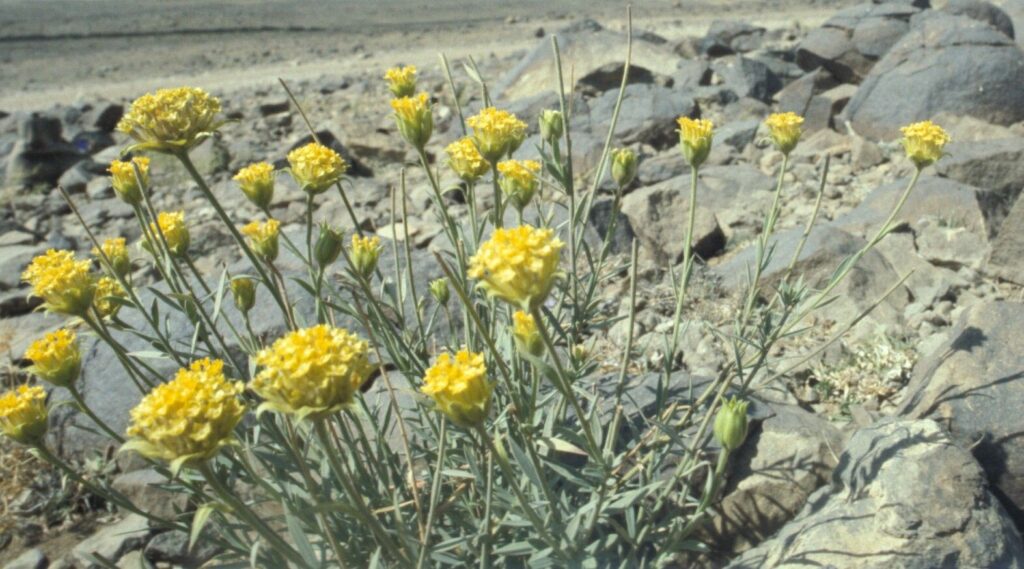
Propagating Shockley’s Goldenbush (Acamptopappus shockleyi): A Gardener’s Guide
Introduction:
Acamptopappus shockleyi, commonly known as Shockley’s Goldenbush, is a captivating shrub native to the southwestern United States. Its vibrant, golden-yellow flowers and silvery-grey foliage make it a highly desirable addition to xeriscape gardens and other arid-climate landscapes. Its relatively compact size and drought tolerance add to its horticultural appeal. However, its propagation presents unique challenges, making successful cultivation all the more rewarding for the dedicated gardener. This article explores various propagation methods for Shockley’s Goldenbush, outlining their potential and pitfalls.
Seed Germination:
Currently, there are no known reliable methods for seed germination propagation of Acamptopappus shockleyi. While the plant does produce seeds, germination rates are reportedly very low, even under optimal conditions. Further research is needed to determine if specific pre-treatment techniques (such as scarification or stratification) could improve germination success.
Cuttings:
Challenges: Cuttings are arguably the most promising method for propagating Acamptopappus shockleyi. However, success rates can be variable. The woody nature of the stems can make rooting challenging. Using softwood (semi-hardwood) cuttings from new growth in spring or early summer offers the best chance of success.
Practical Tips: Take cuttings approximately 4-6 inches long, removing lower leaves to prevent rotting. Dip the cut ends in rooting hormone powder before planting in a well-draining, moist propagation mix (e.g., a mix of perlite and vermiculite). High humidity is crucial; using a propagation dome or covering the cuttings with a clear plastic bag will help maintain moisture. Consistent, but not overly wet, conditions are key. Bottom heat can also improve rooting success.
Rewards: Successful propagation from cuttings offers a relatively quick method for increasing the number of plants. While maintaining the genetic characteristics of the parent plant, it’s also possible to take cuttings from different mother plants to enhance the genetic diversity within your own collection.
Division:
Challenges: Shockley’s Goldenbush, while capable of forming colonies under ideal conditions, doesn’t readily lend itself to division. The root system is often quite deep and difficult to separate without causing significant damage to the plant. Forcing division can severely stress the plant and reduce the chances of survival for both the parent plant and its divisions.
Practical Tips: If division is attempted, it should only be done in the early spring after dormancy, ensuring large, well-established root systems. Sharp, sterile tools are essential to minimize damage. Each division should have a substantial portion of the root system attached.
Rewards: Successful division offers a straightforward method for cloning an already-established plant, replicating its characteristics much more quickly than seed or cutting propagation.
Tissue Culture:
Challenges: Tissue culture techniques require specialized equipment, sterile conditions, and a significant level of horticultural expertise. Optimizing media and hormone levels for Acamptopappus shockleyi would require considerable experimentation. This method is not practical for the average home gardener.
Practical Tips: Tissue culture is best suited for research institutions or nurseries with the necessary resources and professional expertise. Developing a suitable protocol for Acamptopappus shockleyi would be a significant research undertaking.
Rewards: Tissue culture allows for mass propagation, creating a large number of genetically identical plants from a small initial sample. It’s also ideal for preserving rare or endangered genotypes.
Conclusion:
Propagating Shockley’s Goldenbush presents a fascinating challenge. While seed germination proves unreliable, cuttings offer the most accessible and practical method for most gardeners. Division is possible but should be approached with caution. Tissue culture, requiring specialized expertise and equipment, is best left to professional nurseries and research facilities. The satisfaction derived from successfully propagating this beautiful plant, especially through the more challenging methods, is significantly amplified by the difficulties overcome. The patience and persistence required reap substantial rewards, not only in the enjoyment of these striking plants but also in the satisfaction of mastering a complex horticultural challenge. Don’t be discouraged by initial setbacks – continuous learning and experimentation are key to successful propagation!