
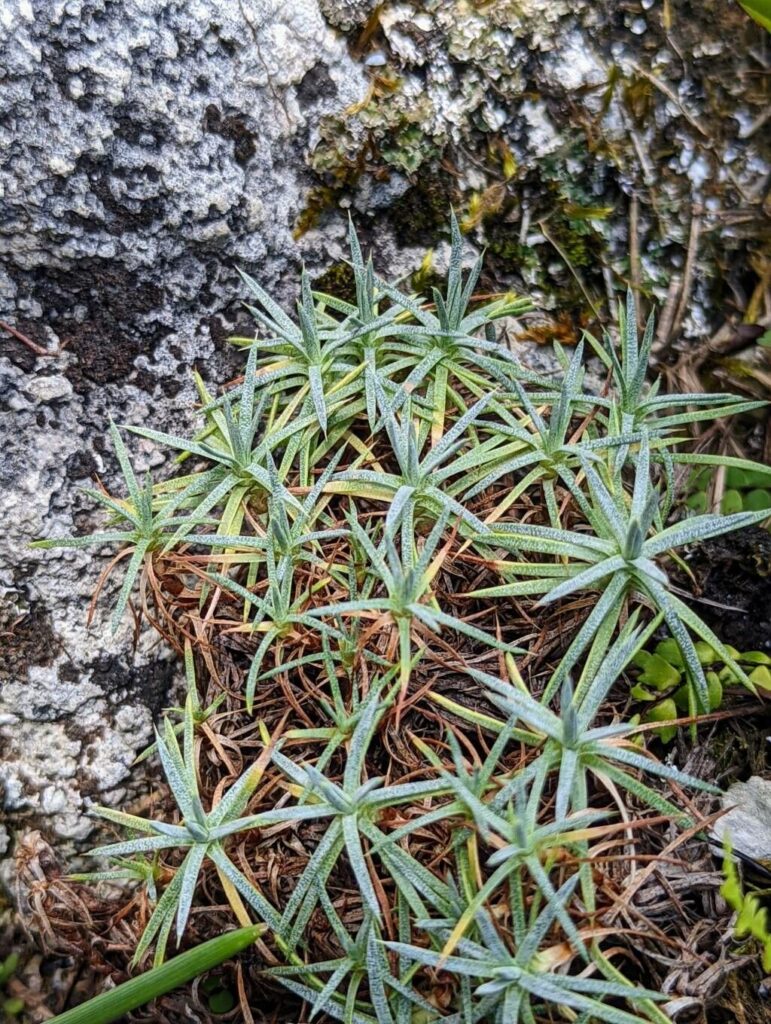
Propagating Acantholimon caryophyllaceum: A Gardener’s Challenge
Introduction:
Acantholimon caryophyllaceum, also known as the Prickly Thrift or Cushion Thrift, is a captivating member of the Plumbaginaceae family, prized for its dense, cushion-like habit and delicate, spiky flowers. Native to rocky, mountainous regions, it boasts exceptional drought tolerance and a charming aesthetic that has earned it a place in many rock gardens and alpine plantings. Its unique form and hardiness make it a desirable plant for gardeners, albeit one that presents specific challenges in propagation. The plant’s slow growth and relatively infrequent seed production contribute to the difficulty.
Seed Germination:
Currently, there are no known reliable methods for seed germination propagation of Acantholimon caryophyllaceum. While seed may be produced, the germination rate is notoriously low, and even under optimal conditions, successful germination remains unpredictable. Further research into specific stratification techniques and germination media may be necessary to overcome these challenges.
Cuttings:
Cuttings offer a more promising avenue for Acantholimon caryophyllaceum propagation. However, it’s still not straightforward.
Challenges: The success rate of cuttings depends heavily on timing and technique. Taking cuttings from actively growing, but not overly succulent, shoots is crucial. The woody nature of the stems presents a challenge to rooting.
Practical Tips: Semi-hardwood cuttings taken in late summer or early autumn offer the best chance of success. Use a sharp, clean knife or shears to prevent the crushing of stems. A rooting hormone application can improve the odds. Plant cuttings in a well-draining propagation mix, maintaining high humidity under a cloche or propagator.
Rewards: Successful propagation via cuttings offers a quicker means of increasing plant numbers compared to other methods, with resulting plants genetically identical to the mother plant.
Division:
Division is another feasible, though not always successful, propagation method for Acantholimon caryophyllaceum.
Challenges: Due to its slow-growing and compact nature, Acantholimon caryophyllaceum is not easily divided. The plant’s delicate root system is easily damaged during division making successful establishment of the divided portions challenging. Attempts at this method should only be undertaken when the plant is sufficiently mature and robust.
Practical Tips: Division is best attempted in spring or autumn after the flowering season. Use a sharp, clean spade or knife to divide the plant carefully into smaller sections, each with a good root system and several growth points. Replant immediately into well-drained soil.
Rewards: Division can provide a quicker increase in plant numbers than cuttings, but with the risk of damaging the mother plant; hence it is less frequently done.
Tissue Culture:
Tissue culture propagation offers the potential to overcome many of the limitations of other methods but is rarely practiced for this species on a hobbyist scale.
Challenges: Establishing sterile cultures and finding the optimal growth media for Acantholimon caryophyllaceum requires specialized knowledge and equipment making this method impractical for most home gardeners.
Practical Tips: This is best left to specialist nurseries or research laboratories with the necessary facilities.
Rewards: Tissue culture offers the potential for high-volume propagation, which can benefit conservation efforts and commercial production. Genetic stability is also maintained.
Conclusion:
Propagating Acantholimon caryophyllaceum presents significant challenges. While seed germination remains unreliable, cuttings and division offer viable, though not always easy routes to increasing plant numbers. Tissue culture is a possibility for large-scale production but is beyond the scope of most home gardeners. The rewards of successfully nurturing this beautiful, resilient plant from a cutting or through careful division are considerable. The satisfaction derived from overcoming the challenges of propagation, witnessing the growth and eventually flowering of your own propagated Acantholimon caryophyllaceum, is a testament to the dedication and patience involved. For aspiring propagators, I encourage experimentation and perseverance. Even if initial attempts fail, the knowledge gained will contribute to future successes. Remember to meticulously observe the plant’s behaviour, adapt your techniques, and never lose heart!