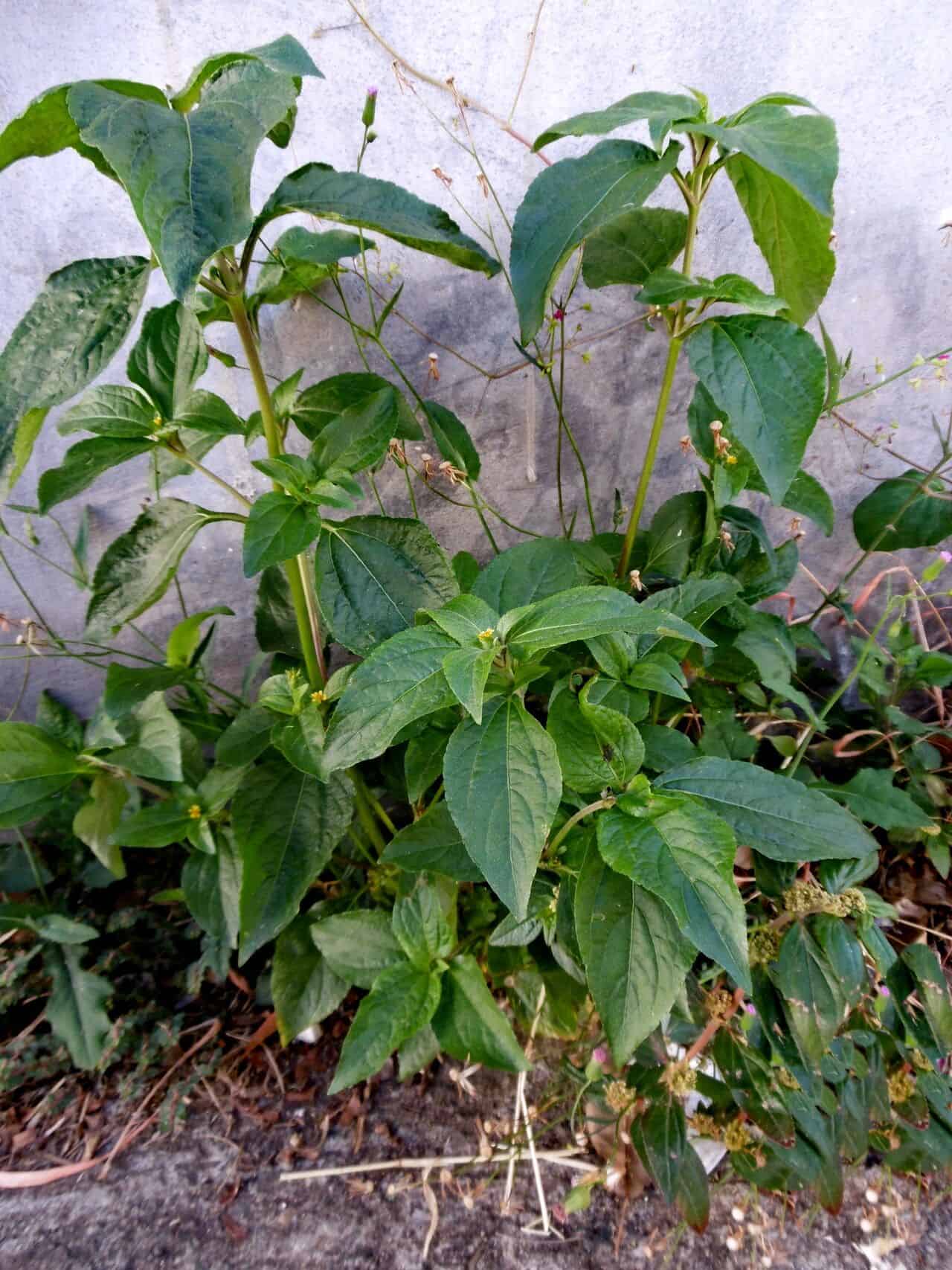
Propagating Acanthospermum hispidum: A Guide to the Prickly Burweed
Introduction:
Acanthospermum hispidum, commonly known as prickly burweed, is a robust annual or short-lived perennial herb belonging to the Asteraceae family. Characterized by its prickly leaves and distinctive burr-like seed heads, it’s not commonly cultivated as an ornamental plant in gardens. However, its adaptability and hardiness make it a subject of interest for ecological studies and potentially for use in areas requiring ground cover or erosion control in appropriate climates. Its propagation presents unique challenges due to its weedy nature and the potential difficulties in handling its spiny structures. This article explores different propagation methods to assess their viability and effectiveness.
Seed Germination:
Seed germination is a viable method for propagating Acanthospermum hispidum. However, it presents several challenges. The seeds possess a hard seed coat, which can hinder germination. This necessitates some form of pre-treatment to improve germination rates. Scarification, either mechanical (by gently nicking the seed coat with sandpaper) or chemical (using concentrated sulfuric acid for a short period – requires caution and protective equipment), is recommended.
Practical Tips:
- Scarification: Carefully scarify the seed coat, aiming to weaken it without damaging the embryo.
- Sowing Technique: Sow seeds directly into well-draining soil in a warm location (ideally mimicking the plant’s native environment). Shallow sowing is best as they require light to germinate.
- Conditions: Maintain consistently moist (but not waterlogged) soil and warm temperatures (20-25°C) for optimal germination.
- Rewards: Seed propagation offers significant genetic diversity, allowing for a wider range of adaptability in offspring. It’s also an inexpensive method suitable for large-scale propagation if successful germination rates are achieved.
Cuttings:
Currently, there are no known reliable methods for propagating Acanthospermum hispidum via cuttings. The plant’s herbaceous nature and lack of readily rootable stem sections make this method impractical.
Division:
Division is not a practical method for propagating Acanthospermum hispidum. This plant usually exists as an annual or short-lived perennial, not forming the clump-like structures often amenable to division.
Tissue Culture:
While tissue culture offers the potential for rapid and large-scale propagation, there is limited research available on its application to Acanthospermum hispidum. Further investigation is needed to determine the optimal protocols for successful tissue culture propagation. Therefore, currently it is considered an unproven method.
Conclusion:
Propagating Acanthospermum hispidum presents unique challenges, primarily with seed germination requiring pre-treatment to overcome seed dormancy. Other methods, like cuttings and division, are not feasible. While seed propagation offers the benefit of genetic diversity and potential for large-scale production, success relies on overcoming the challenges associated with seed coat dormancy. Tissue culture remains an unexplored avenue requiring further investigation.
Despite the difficulties, the successful cultivation of this hardy plant, from seed to maturity, brings a unique sense of accomplishment. Overcoming these hurdles demonstrates a deeper understanding of plant biology and propagation techniques. For aspiring propagators, patience, careful experimentation, and meticulously following the recommended guidelines for seed scarification and sowing will significantly increase your chances of success. Don’t be discouraged by initial setbacks; the rewards of observing this prickly plant thrive are well worth the effort.