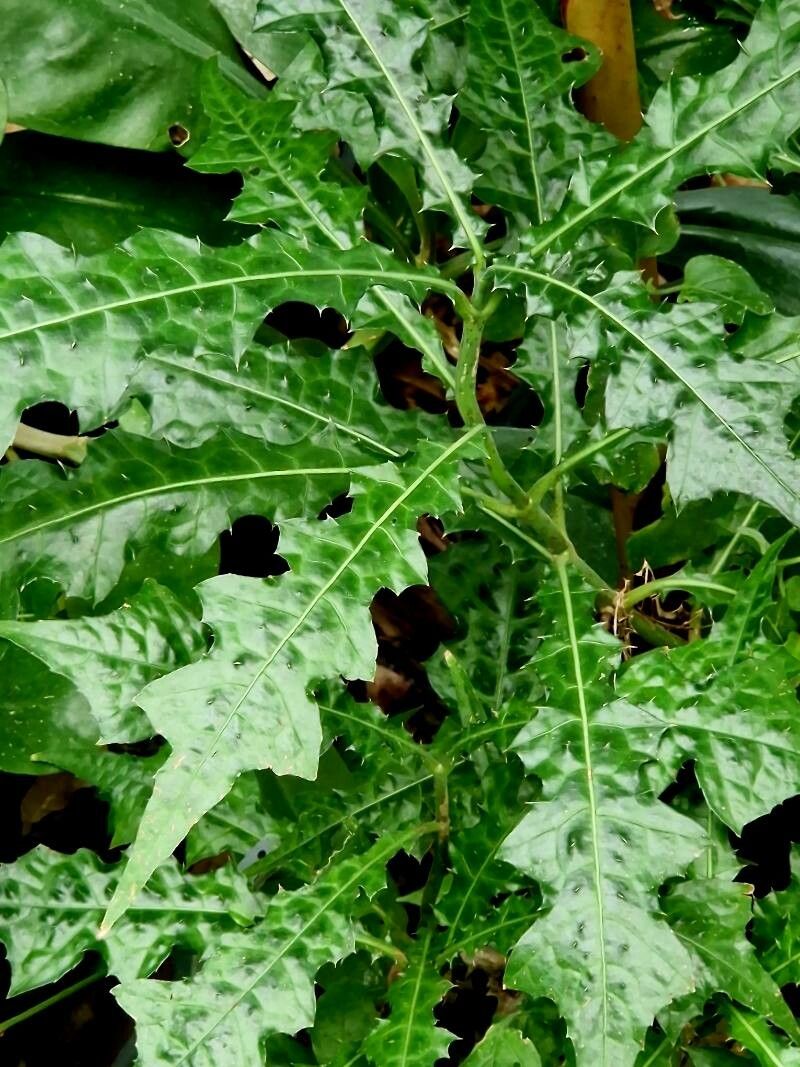
Propagating Acanthus montanus: A Gardener’s Guide to the Mountain Bear’s Breeches
Introduction:
Acanthus montanus, commonly known as Mountain Bear’s Breeches, is a striking perennial boasting dramatic, deeply lobed leaves and tall, elegant flower spikes adorned with bracts. Native to mountainous regions, its architectural foliage and unique flowering characteristics make it a highly sought-after plant among gardeners. However, its propagation presents unique challenges, making successful cultivation all the more rewarding. While several methods exist, their success rates vary, demanding patience and a degree of horticultural expertise.
Seed Germination:
Currently, there are no known reliable methods for seed germination propagation of Acanthus montanus. While the plant does produce seeds, germination rates are notoriously low, and successful establishment from seed is rarely reported. Further research is needed to determine optimal germination conditions, if any exist for this species.
Cuttings:
Cuttings offer a more viable, albeit still challenging, method for propagating Acanthus montanus.
Challenges: Acanthus montanus cuttings are notoriously slow to root. They are prone to rot if not provided with optimal moisture and ventilation.
Practical Tips: Semi-hardwood cuttings taken in late summer or early autumn are most successful. Use a sharp, clean blade to take 4-6 inch cuttings, removing lower leaves to prevent rotting. Dip the cuttings in a rooting hormone powder before planting them in a well-draining, moist propagation mix (e.g., perlite and peat moss). Maintain high humidity using a cloche or humidity dome and bottom heat. Rooting can take several weeks, even months.
Rewards: Successfully rooted cuttings guarantee a clone of the parent plant, preserving its desirable traits. Cuttings allow for efficient propagation of a limited number of plants.
Division:
Division of established Acanthus montanus plants is arguably the most reliable and successful propagation method.
Challenges: Mature Acanthus montanus plants develop extensive root systems which can be difficult to carefully divide without damaging the plant. Improper division can weaken or kill both the parent and the newly divided plant.
Practical Tips: Division is best carried out in early spring or autumn when the plant is dormant. Carefully dig up the entire plant, gently loosen the roots, and divide the clump into sections, ensuring each section possesses healthy roots and several shoots. Replant the divisions immediately, providing ample space for growth.
Rewards: Division is the quickest and most effective method for increasing the number of plants, and offers a high success rate compared to other methods.
Tissue Culture:
Tissue culture offers a potential method for large-scale propagation of Acanthus montanus, though it requires specialized equipment and expertise.
Challenges: Establishing a sterile environment and obtaining suitable explant material are crucial for success. Developing the right growth media and hormonal balance is often difficult, requiring significant experimentation.
Practical Tips: Sterilization techniques are paramount to avoid contamination. Small leaf sections or shoot tips are commonly used as explants. Specialized tissue culture media, often with plant growth regulators, are necessary.
Rewards: Tissue culture allows for the rapid and large-scale propagation of genetically identical plants, offering the potential to conserve rare cultivars or meet high demands.
Conclusion:
Propagating Acanthus montanus presents several challenges, with seed germination proving unreliable. While cuttings and division offer better success rates, they require patience, skill, and attention to detail. Tissue culture holds promise for large-scale propagation but demands specialized equipment and expertise. Despite the difficulties, the unique satisfaction of successfully cultivating this striking plant, especially through the initially challenging methods such as cuttings, is immense. The rewards of witnessing the growth of this architectural beauty, created through your own efforts, far outweigh the effort and potential setbacks. For aspiring propagators, we encourage persistence and experimentation, starting with the more reliable methods of division and learning from each attempt, understanding that not every attempt will lead to success.