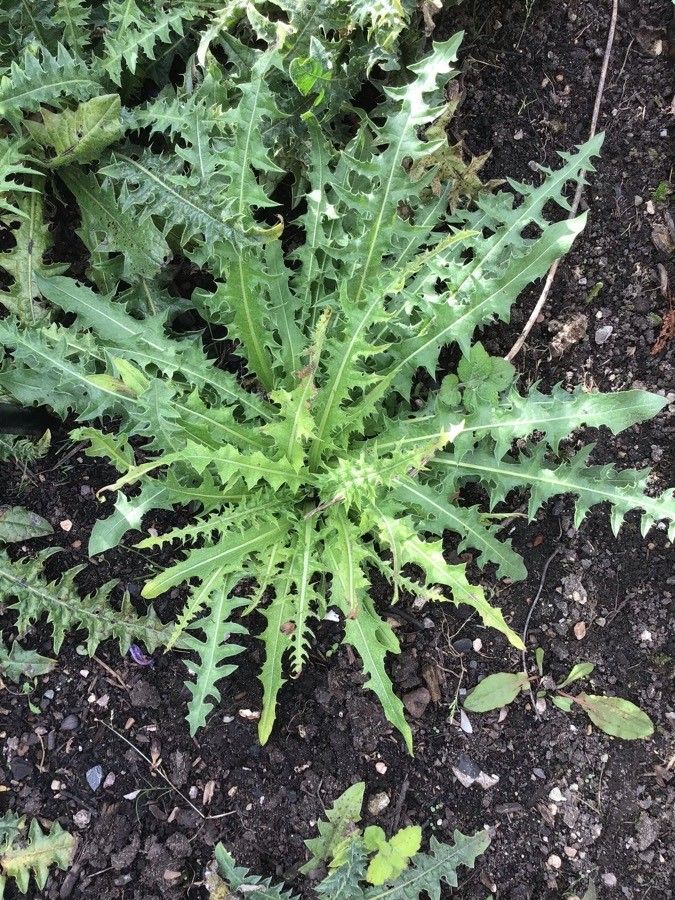
Propagating Acanthus hirsutus: A Journey into the Bear’s Breeches
Acanthus hirsutus, commonly known as the spiny bear’s breeches or hairy acanthus, is a captivating Mediterranean native, renowned for its dramatic, deeply lobed leaves and striking flower spikes. Its architectural foliage and bold presence make it a highly sought-after addition to gardens, particularly those embracing a Mediterranean or naturalistic style. However, propagating this striking plant can present some unique challenges, making success all the more rewarding. This article explores various propagation methods, offering insights and practical advice for gardeners eager to increase their stock of this magnificent plant.
Seed Germination:
Currently, there are no known reliable methods for seed germination propagation of Acanthus hirsutus. While seeds may be produced, germination rates are exceptionally low, and consistent success remains elusive. Further research may be needed to determine optimal conditions for germination, potentially including specific stratification techniques or hormonal treatments.
Cuttings:
Propagating Acanthus hirsutus from cuttings offers a more reliable approach than seed germination. However, it still presents challenges.
Challenges: Acanthus cuttings are prone to rotting if not handled correctly. Success relies on using appropriately mature, yet not woody, stem cuttings.
Practical Tips: Take semi-hardwood cuttings in late summer or early autumn. Use a sharp, sterile knife or shears to make cuttings approximately 4-6 inches long, removing lower leaves to prevent rotting. Dip the cut ends in rooting hormone for enhanced success. Plant cuttings in a well-draining, moist propagation mix (e.g., a mix of perlite and peat moss) and cover with a humidity dome or plastic bag to maintain humidity. Maintain consistently moist (but not waterlogged) conditions and ensure adequate indirect light.
- Rewards: Cuttings offer a relatively quick means of propagation, providing genetically identical plants to the parent.
Division:
Division is arguably the most successful and straightforward method for propagating Acanthus hirsutus.
Challenges: Division requires a mature, well-established plant. Care must be taken to avoid damaging the roots during the process.
Practical Tips: The best time for division is in spring or autumn, after flowering or before new growth commences. Gently dig up the plant, carefully separating the root clump into smaller sections, ensuring each division has healthy foliage and ample roots. Replant the divisions immediately, providing adequate spacing.
- Rewards: Division is the easiest method to ensure successful propagation, with high success rates and relatively rapid establishment of new plants.
Tissue Culture:
Tissue culture offers the potential for large-scale propagation of Acanthus hirsutus, but it requires specialized equipment and expertise.
Challenges: Establishing a sterile environment and maintaining aseptic techniques are crucial. Specialized knowledge of plant tissue culture protocols is needed. The process can be complex and expensive.
Practical Tips: This method is best left to professional nurseries or those with extensive experience in tissue culture.
- Rewards: Tissue culture allows for the rapid production of a large number of genetically identical plants, making it ideal for commercial propagation.
Conclusion:
Propagating Acanthus hirsutus presents a unique horticultural challenge, with success varying greatly depending on chosen method. While seed propagation currently remains unreliable, cuttings offer a reasonable, though not always straightforward, alternative. However, division stands out as the most practical and rewarding method for the home gardener. Tissue culture, while capable of mass propagation, demands specialized skills and resources. The effort invested in successfully propagating this magnificent plant is ultimately repaid tenfold when witnessing the flourishing of these striking plants, a testament to perseverance and horticultural dedication. Embrace the challenge and enjoy the satisfying reward of cultivating this bold and beautiful species!