
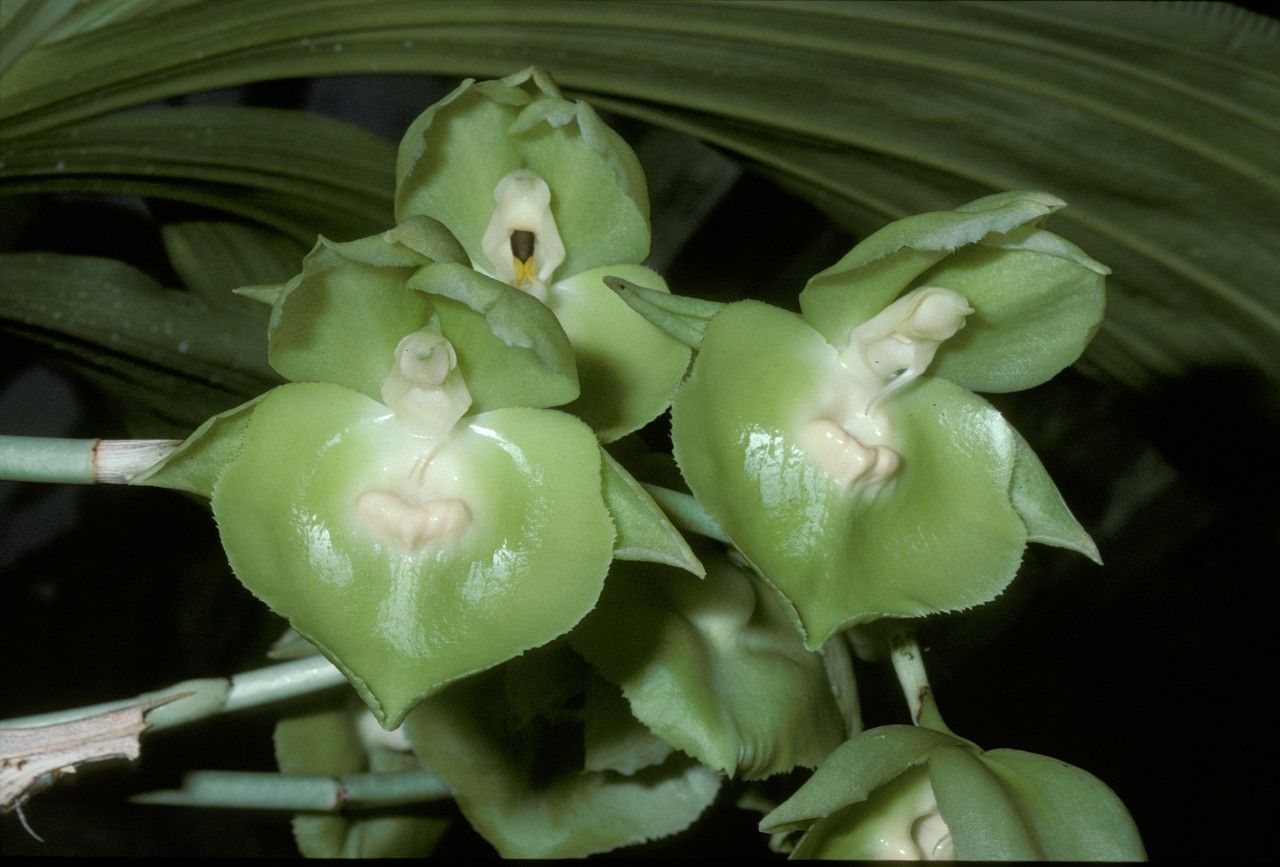
Unlocking the Secrets of Catasetum expansum Propagation: A Guide for Stunning Orchids
Catasetum expansum, with its dramatic, almost alien-looking blooms, is a true showstopper in the orchid world. Native to South America, this epiphytic orchid is known for its unique flowering habit, producing separate male and female flowers depending on environmental conditions. But have you ever wondered how to propagate these fascinating orchids and expand your own collection? Let’s delve into the secrets of Catasetum expansum propagation, exploring the methods that will lead you to success!
Understanding the Basics:
Before embarking on your propagation journey, it’s crucial to understand a few things about Catasetum expansum:
- Growth Habit: As epiphytes, these orchids naturally grow on trees, attaching themselves via aerial roots. This knowledge is vital for replicating their preferred growing environment.
- Pseudobulbs: Catasetums produce pseudobulbs, thickened stem structures that store water and nutrients. These play a significant role in propagation.
- Dormancy: Like many orchids, Catasetum expansum goes through a dormant period after flowering. Recognizing this phase is crucial for successful propagation.
Methods of Propagation:
Division: This is the most common and often the most successful method for Catasetum expansum propagation:
- Timing: The ideal time for division is during repotting, just as new growth emerges after the dormant period.
- Process:
- Carefully remove the orchid from its pot.
- Gently loosen the roots and identify sections with at least 3-4 healthy pseudobulbs each.
- Using a sterilized sharp knife or shears, divide the rhizome (the horizontal stem connecting the pseudobulbs).
- Dust the cut ends with a fungicide powder and pot each division in a well-draining orchid mix.
Back Bulbs:
- What are Back Bulbs? Back bulbs are older, leafless pseudobulbs that may appear shriveled but still contain growth potential.
- Process:
- Remove any completely dead or mushy back bulbs.
- Place the healthy back bulbs on top of a moist bed of sphagnum moss or a similar propagation medium.
- Provide bright, indirect light and ensure the moss remains lightly moist.
- With patience, new growths should emerge from the base of the back bulbs, eventually forming new plants.
Key Tips for Success:
- Hygiene: Sterilize all cutting tools before and after use to prevent the spread of diseases.
- Potting Mix: Use a well-draining orchid mix that provides good air circulation around the roots.
- Watering: Water thoroughly when the potting mix is almost dry. Avoid overwatering, which can lead to root rot.
- Light: Provide bright, indirect light. Avoid direct sunlight, which can scorch the leaves.
- Patience! Propagation, especially from back bulbs, can take several months. Be patient and provide consistent care.
Propagating Catasetum expansum can be an incredibly rewarding experience. By understanding the unique needs of this stunning orchid and following these propagation techniques, you can increase your collection and enjoy the captivating beauty of these orchids for years to come.