Propagating Acer erianthum: A Gardener’s Challenge and Reward
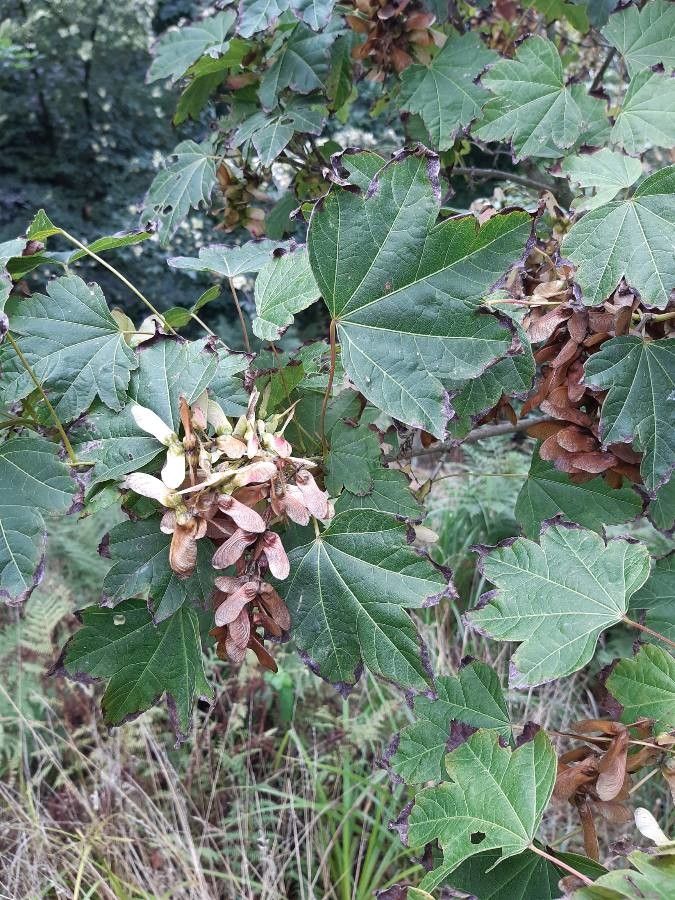
Acer erianthum, commonly known as the fuzzy-leaved maple or downy maple, is a captivating deciduous tree prized for its striking, velvety leaves and elegant form. Its pendulous branches laden with foliage create a visually stunning effect, making it a sought-after addition to gardens showcasing diverse tree collections. The relatively slow growth rate and unique aesthetic characteristics contribute to its popularity among discerning gardeners, making propagation a rewarding, yet often challenging, endeavor. This article explores various methods for propagating Acer erianthum, highlighting the successes and hurdles involved in each.
Seed Germination:
Currently, there are no known reliable methods for seed germination propagation of Acer erianthum. While seeds are produced, the germination rate is notoriously low, and even with stratification (a period of cold, moist storage mimicking winter conditions), success remains elusive. The challenges likely stem from a combination of factors including seed dormancy mechanisms and specific environmental requirements not yet fully understood.
Cuttings:
Propagating Acer erianthum from cuttings presents significant challenges. While hardwood cuttings taken in late autumn or winter have a slight chance of success, the root formation rate is very low.
- Challenges: Maples, in general, are notoriously difficult to propagate from cuttings. Acer erianthum‘s specific traits likely exacerbate this difficulty.
- Practical Tips: Using rooting hormone, providing consistent bottom heat, and maintaining high humidity are crucial, but don’t guarantee success. Experimentation with different cutting types (softwood vs. hardwood) and rooting media might yield marginally better results, but patience is essential.
- Rewards: If successful, cuttings offer a fast-track to clones of your parent plant, preserving its specific desirable traits.
Division:
Division is not a practical method for propagating Acer erianthum. This tree possesses a robust taproot system, making separation and successful replanting of divided sections extremely difficult and largely unsuccessful.
Tissue Culture:
Tissue culture offers the most promising, albeit complex, approach to propagating Acer erianthum. This laboratory-based method involves growing plantlets from small pieces of sterile plant tissue on a nutrient-rich medium.
- Challenges: Establishing a sterile environment and mastering the specific nutrient requirements for Acer erianthum tissue culture are technically demanding procedures requiring specialized equipment and expertise. Contamination is a significant threat, and successful propagation requires meticulous attention to detail.
- Practical Tips: Selecting young, healthy tissue from vigorous growth points is crucial. The precise nutrient formulation in the growth medium is critical, and experimentation is often necessary to determine the optimal combination.
- Rewards: Tissue culture provides a reliable method for mass production of genetically uniform plants, particularly valuable for commercial nurseries or conservation efforts.
Conclusion:
Propagating Acer erianthum presents a formidable yet captivating challenge for the enthusiastic gardener. While seed germination and cuttings offer minimal chances of success, making tissue culture the most viable, albeit resource-intensive, option. The difficulties inherent in each method highlight the plants’ unique biology and the respect it deserves. The reward however far surpasses the challenges. The unique satisfaction derived from successfully cultivating this plant from a cutting, or (most ideally) via tissue culture, lies not just in the beauty of the mature tree, but in the triumph achieved against the odds. For those aspiring to propagate Acer erianthum, be prepared for setbacks, embrace meticulous practices, and appreciate the journey itself – the eventual success will certainly be worth the effort.