
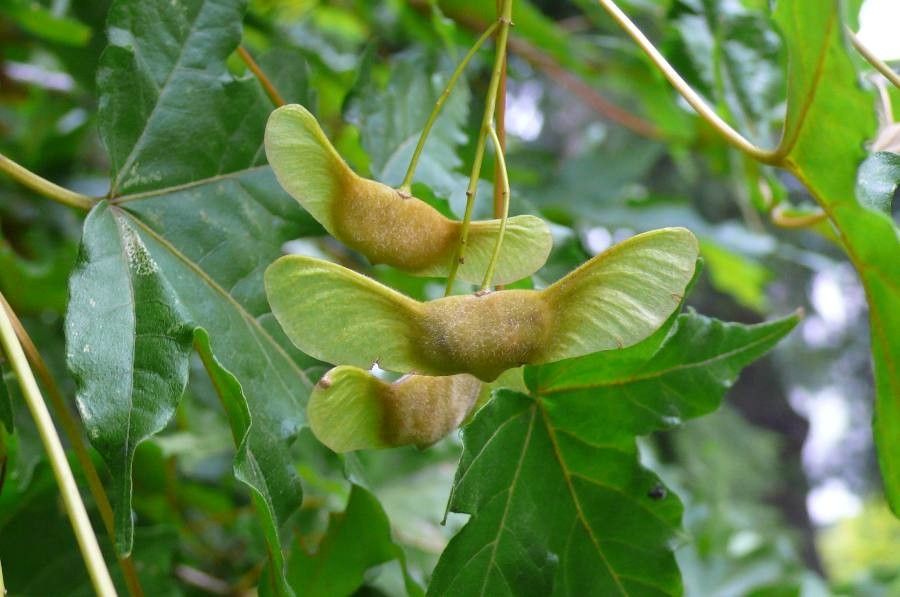
Propagating Acer miyabei: A Gardener’s Challenge
Acer miyabei, commonly known as Miyabe maple, is a captivating deciduous tree prized for its striking autumnal foliage, showcasing vibrant shades of yellow, orange, and red. Native to northern Japan, Korea, and far eastern Russia, this species holds a special place amongst maple enthusiasts, though its propagation presents unique hurdles. Its relatively slow growth, combined with its less common status compared to other maples, contributes to its allure and the challenge of establishing it in gardens. The unique characteristics of its leaves and fall color make successful propagation a particularly rewarding endeavor.
Seed Germination:
Currently, there are no known reliable methods for seed germination propagation of Acer miyabei. While seeds may be produced, germination rates are notoriously low, likely due to a combination of factors including seed dormancy and specific environmental requirements not yet fully understood. Further research into the specific dormancy mechanisms and stratification protocols is needed before seed propagation becomes a viable option for this species.
Cuttings:
Propagating Acer miyabei from cuttings presents considerable challenges but remains a more promising approach than seed germination. Hardwood cuttings taken in late autumn or early winter, after leaf-fall but before significant frost, have shown limited success for some maple species; hence it might be worth exploring.
-
Challenges: Acer miyabei, like many maples, is relatively difficult to root from cuttings. Low rooting success rates are typical, likely due to the slow-growing nature of the plant and the difficulty in stimulating root formation.
-
Practical Tips: Use sharp, clean tools to take cuttings of about 6-8 inches in length. Dip the basal end in a rooting hormone to enhance rooting. Plant them in a well-draining propagation mix, maintaining high humidity through misting or a humidity dome. Consistent bottom heat (around 70-75°F) can improve rooting rates, but patience is essential.
- Rewards: Successful rooting of cuttings ensures the genetic fidelity of the parent plant, cloning desirable traits such as particular leaf shape or autumn color.
Division:
Division is not a practical method for propagating Acer miyabei. This species develops a relatively deep and extensive root system that makes separation and successful transplanting of divisions extremely difficult, often resulting in plant death.
Tissue Culture:
Tissue culture represents a potentially more reliable method for the large-scale propagation of Acer miyabei than cuttings. This laboratory-based technique allows for the cloning of desirable genotypes and offers the potential to produce a high number of plants from a small amount of source material.
-
Challenges: Tissue culture requires specialized equipment, a controlled laboratory environment, and expertise in sterile techniques. Developing suitable protocols for Acer miyabei, including appropriate media composition and growth regulators, may require significant experimentation.
-
Practical Tips: Consult with a tissue culture laboratory specializing in plant propagation. They can assist in developing protocols specifically for Acer miyabei, including selecting suitable explants (tissue samples) and optimizing growth conditions.
- Rewards: Tissue culture offers the most efficient method for mass production of genetically uniform plants, making it ideal for commercial propagation or for conservation efforts. It enables rapid multiplication of rare or superior genotypes.
Conclusion:
Propagating Acer miyabei presents significant challenges regardless of the method employed. While seed germination is currently unreliable, cuttings offer a somewhat feasible route, albeit with low success rates. Division is impractical, leaving tissue culture as the most promising approach for large-scale propagation, but requiring specialized knowledge and resources.
The rewards for successfully propagating this magnificent maple, however, are significant. The unique beauty of its autumn foliage and the satisfaction derived from establishing this rather challenging species in your garden far outweigh the difficulties involved. Patience, persistence, and a willingness to experiment are key to success. Do not be discouraged by initial setbacks—the culmination of your efforts, witnessing a thriving Miyabe maple flourishing in your landscape, will be truly rewarding.