
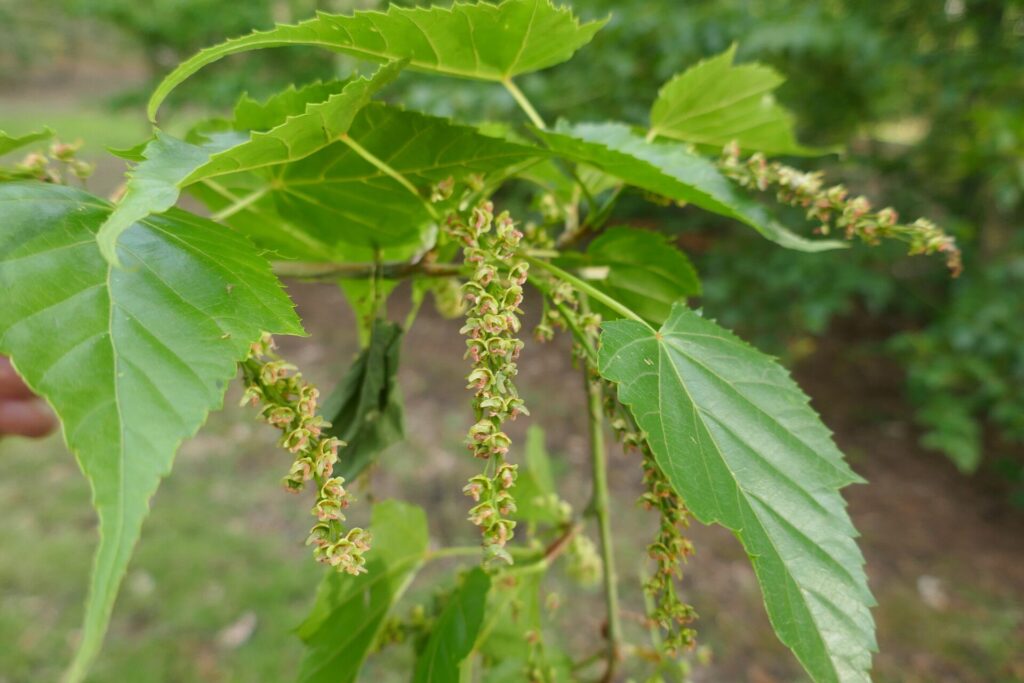
Propagating Acer morrisonense: A Gardener’s Guide to the Morrison Maple
Introduction:
Acer morrisonense, commonly known as the Morrison maple, is a relatively rare and highly prized maple species native to Taiwan. Its exquisite beauty, characterized by elegantly shaped leaves displaying vibrant autumn coloration, makes it a highly sought-after addition to arboreta and the collections of discerning gardeners. However, its rarity contributes to difficulties in propagation, making successful cultivation a rewarding challenge. This article explores various propagation methods for Acer morrisonense, discussing their viability, challenges, and rewards.
Seed Germination:
Currently, there are no known reliable methods for seed germination propagation of Acer morrisonense. While the species produces seeds, their germination rate is extremely low, even with standard stratification techniques often employed for other maple species. This is likely due to a combination of factors, including the species’ specific dormancy requirements and potentially the presence of inhibitory substances within the seed coat. Further research into the specific germination needs of Acer morrisonense seeds is required.
Cuttings:
Propagating Acer morrisonense from cuttings presents considerable challenges. Hardwood cuttings taken in late autumn or winter show minimal success rates. Softwood cuttings taken in early summer also face significant obstacles, requiring precise control of humidity, temperature, and rooting hormone application. The low success rate is often attributed to the maple’s difficulty in rooting.
- Challenges: Low rooting success rate, susceptibility to fungal diseases, high humidity and temperature regulation needs.
- Practical Tips: Use a rooting hormone with high auxin concentration. Maintain high humidity using a propagation chamber or humidity dome. Use a well-draining, sterile rooting medium.
- Rewards: If successful, cuttings offer a faster propagation method than seed germination (although unlikely in this case) and ensure the preservation of desirable traits from the parent plant.
Division:
Division is not a viable propagation method for Acer morrisonense. This species typically develops a single, robust taproot system, making it difficult to successfully separate into viable, independently growing divisions without causing severe damage that would likely result in plant death.
Tissue Culture:
Tissue culture offers the most promising, albeit technically demanding, approach to propagating Acer morrisonense. This method involves sterile cultivation of plant tissues in a controlled laboratory environment, allowing for rapid multiplication of plantlets from a small sample of source material.
- Challenges: Requires specialized equipment, sterile techniques, and expertise in plant tissue culture. The establishment of suitable culture media and protocols specific to Acer morrisonense is crucial and may require extensive experimentation.
- Practical Tips: Consult with experienced tissue culture specialists and utilize proven protocols for similar maple species as a starting point. Strict sterility is paramount to prevent contamination.
- Rewards: The potential for large-scale, rapid propagation, preservation of valuable genetic material, and the creation of disease-free plants.
Conclusion:
Propagating Acer morrisonense presents significant challenges across all common methods. Seed germination is currently unreliable, cuttings offer extremely low success rates, division is impractical, and tissue culture remains the most promising but technically demanding approach. However, the rewards of successfully cultivating this beautiful maple are substantial. The unique satisfaction lies in overcoming these obstacles and contributing to the preservation and wider appreciation of this rare and exquisite species. Aspiring propagators should carefully weigh the considerable time, resources, and expertise required before embarking on this challenging but ultimately rewarding endeavor. For most gardeners, sourcing plants from reputable nurseries is likely the most practical approach to enjoying the beauty of the Morrison maple.