
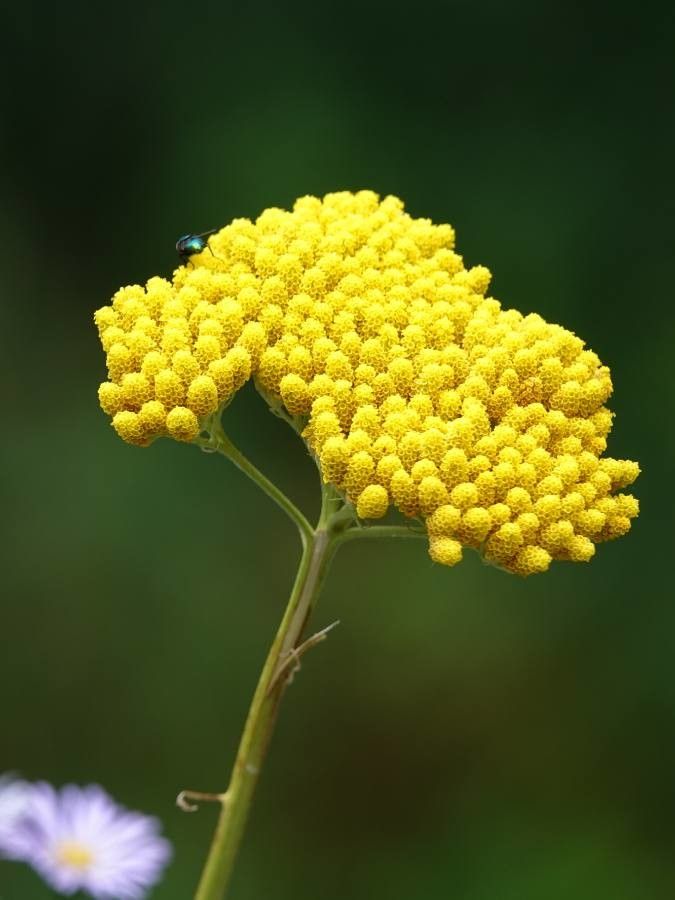
Propagating Achillea ageratum: A Gardener’s Guide to the Milfoil
Achillea ageratum, commonly known as sneezeweed or common yarrow (though note that "common yarrow" more often refers to Achillea millefolium), is a hardy, herbaceous perennial prized for its delicate, feathery foliage and abundant clusters of small, button-like flowers, typically in shades of yellow or white. Its drought tolerance and adaptability make it a popular choice for gardeners seeking low-maintenance, attractive additions to their borders, rock gardens, or wildflower meadows. Its propagation, however, presents unique challenges and rewards. While some methods are easier than others, the satisfaction of successfully cultivating this resilient plant is well worth the effort.
Seed Germination:
Currently, there are no known reliable methods for seed germination propagation of Achillea ageratum. While seeds may be produced, germination rates are extremely low and inconsistent, making this method impractical for most gardeners.
Cuttings:
Challenges: Rooting cuttings of Achillea ageratum can be challenging, requiring precise techniques and considerable patience. The success rate depends heavily on the timing (ideally early summer), and the use of rooting hormone.
Practical Tips: Take semi-hardwood cuttings, 4-6 inches long, from non-flowering stems in early summer. Remove lower leaves, dip the cut ends in rooting hormone, and plant in a well-draining propagation mix (e.g., perlite and peat moss). Keep the cuttings consistently moist but not soggy, and provide humidity (a propagator dome is helpful). Rooting can take several weeks.
Rewards: Cuttings offer a relatively quick method of propagating specific desirable traits from a parent plant, ensuring genetic consistency.
Division:
Challenges: Division is the most straightforward and reliable method for propagating Achillea ageratum. However, it is best achieved when the plant is actively growing and requires careful handling to avoid damaging the root system. Overcrowding can hinder the success of division.
Practical Tips: The best time to divide is in spring or early autumn. Carefully dig up the established plant, gently separate the crown into multiple sections, ensuring each section has healthy roots and several stems. Replant the divisions immediately, spacing them appropriately to allow for future growth.
Rewards: Division offers a high success rate, generates multiple plants quickly, and is a simple method for renewing older, overcrowded plants.
Tissue Culture:
Challenges: Tissue culture is a sophisticated and technically demanding method requiring specialized equipment, sterile conditions, and expertise in plant physiology. It is not typically a practical approach for home gardeners.
Practical Tips: This method requires a controlled environment with sterile media, growth regulators (plant hormones), and a controlled temperature and humidity. This method is typically done in a laboratory setting.
Rewards: Tissue culture enables mass propagation of genetically identical plants (clones) from small plant tissue samples, allowing for large-scale cultivation and conservation of rare or desirable varieties.
Conclusion:
Propagating Achillea ageratum offers a spectrum of challenges and rewards depending on the chosen method. While seed germination is unreliable, cuttings provide a viable option for preserving specific plant characteristics but demand patience and precision. Division stands out as the most accessible and successful method for home gardeners, offering reliable results with minimal specialized equipment. Tissue culture remains a niche approach suitable for professional nurseries or research settings. The unique satisfaction of nurturing Achillea ageratum from a cutting or division, witnessing the growth from a small fragment into a vibrant flowering plant, embodies the essence of horticultural accomplishment, especially given the hurdles involved. Therefore, we encourage aspiring propagators to commence with division and perhaps experiment with cuttings, embracing both the challenges and the ultimate gratification of successfully cultivating this remarkable plant.