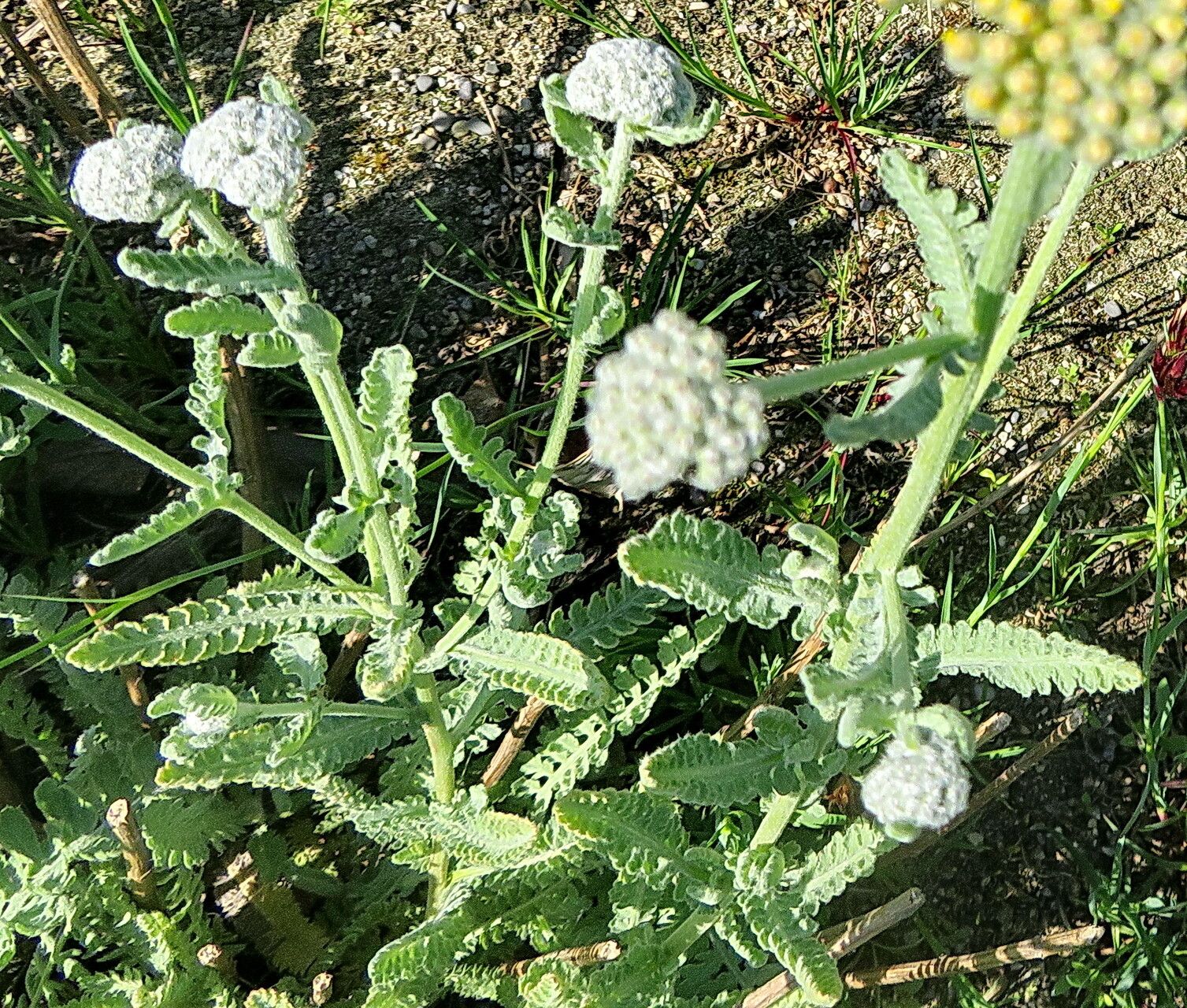
Propagating Achillea clypeolata: A Gardener’s Guide to the Yellow Yarrow
Achillea clypeolata, commonly known as the shield yarrow or yellow yarrow, is a captivating perennial prized for its vibrant, golden-yellow flower heads and attractive, fern-like foliage. Its long bloom period, drought tolerance, and adaptability to various soil types make it a popular choice among gardeners. However, propagating this beauty can present some unique challenges, varying significantly depending on the method employed. This article explores the various propagation techniques for Achillea clypeolata, weighing their successes and difficulties.
Seed Germination:
Currently, there are no known reliable methods for seed germination propagation of Achillea clypeolata. While seeds may be produced, their germination rate is notoriously low, even under optimal conditions. The dormancy mechanisms are poorly understood, and attempts at stratification or other pre-sowing treatments have yielded inconsistent results. This makes seed propagation impractical for most garden enthusiasts and nurseries.
Cuttings:
Cuttings offer a more reliable method for propagating Achillea clypeolata.
Challenges: Success with cuttings depends heavily on timing and technique. Hardwood cuttings taken in late autumn or early winter have shown some promise, but rooting success remains relatively low compared to other readily propagated plants. The cuttings can be susceptible to fungal diseases if not kept in a clean, well-ventilated environment.
Practical Tips: Take 4-6 inch cuttings from mature, non-flowering stems. Remove lower leaves, dip the cut ends in rooting hormone, and plant them in a well-draining medium like a mixture of perlite and vermiculite. Maintain high humidity using a propagator or plastic covering. Position in a bright but indirect light location.
- Rewards: This method allows for the preservation of desirable traits from the parent plant, potentially offering a quicker route to a larger number of plants than division.
Division:
Division is arguably the most straightforward and successful method for propagating Achillea clypeolata.
Challenges: Division is best done in spring or autumn when the plant is actively growing or entering a period of dormancy. It requires careful handling to avoid damaging the root system, which can hinder establishment. Over-division can weaken the parent plant.
Practical Tips: Dig up the established plant carefully. Use a sharp knife or spade to divide the root ball into sections, each containing several healthy shoots and ample roots. Replant immediately, ensuring adequate spacing for continued growth.
- Rewards: This method is relatively simple and offers a high success rate. It’s a quick way to increase your stock of this beautiful plant and maintains the genetic characteristics of the mother plant.
Tissue Culture:
Tissue culture propagation, while technically possible, is generally not a practical approach for home gardeners.
Challenges: Tissue culture requires specialized equipment, sterile conditions, and a significant investment of time and resources. It also demands specialized knowledge and expertise.
Practical Tips: This method would involve establishing sterile cultures from shoot tips or nodal segments on a suitable agar medium. Specific nutrient requirements and hormones would need careful consideration.
- Rewards: Tissue culture offers the potential for large-scale propagation and disease-free plants, potentially valuable for commercial nurseries.
Conclusion:
Propagating Achillea clypeolata presents a unique set of challenges, with seed propagation proving unreliable and tissue culture being impractical for most hobbyists. Cuttings offer a reasonable alternative, though success varies. Division, however, emerges as the most accessible and effective method for the home gardener. The effort required, especially with cuttings, is rewarded by the satisfaction of nurturing these vibrant plants from a small cutting or a section of a thriving mother plant into beautiful specimens. The rewarding bloom of Achillea clypeolata makes the process worthwhile; a testament to the perseverance and dedication of the plant propagator. Embrace the challenges, experiment with different approaches, and enjoy the journey of cultivating this delightful yellow yarrow.