
Propagating Achillea falcata: A Gardener’s Guide to the Sickle-leaved Yarrow
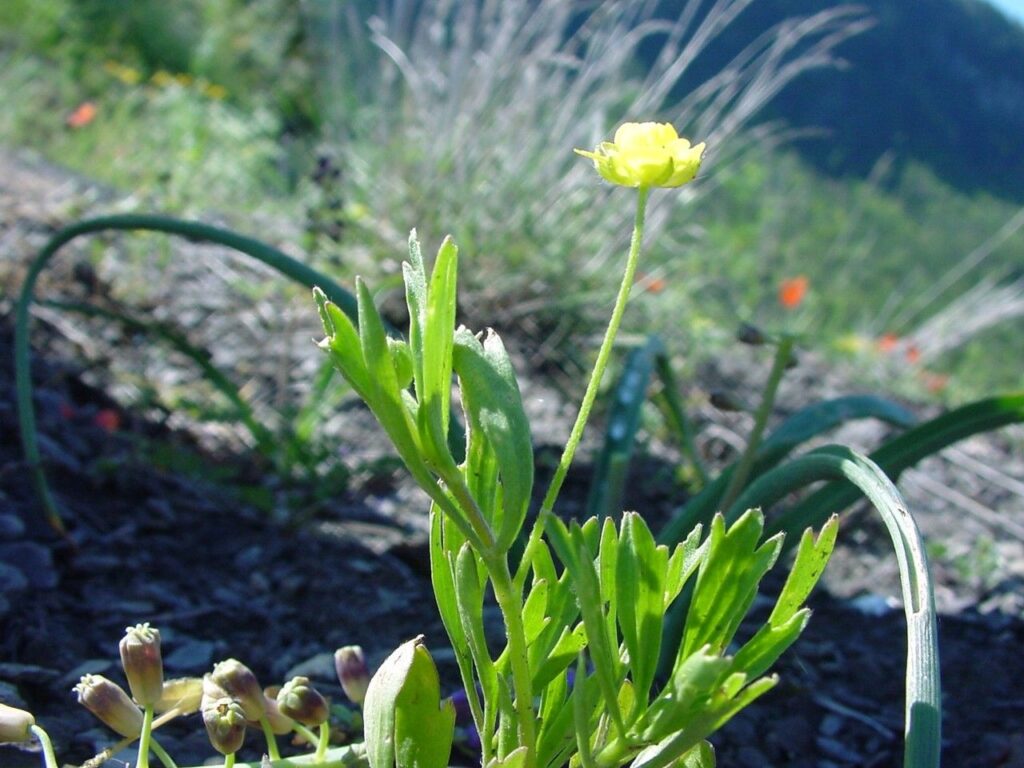
Achillea falcata, commonly known as sickle-leaved yarrow, is a captivating herbaceous perennial prized for its gracefully arching, sickle-shaped foliage and attractive, dense clusters of small, typically yellow flowers. Its unique foliage texture and relatively compact habit make it a popular addition to borders, rock gardens, and containers. While relatively easy to maintain once established, propagating Achillea falcata can present some challenges, making success all the more rewarding. The plant’s relative rarity in nurseries also adds to the appeal for gardeners interested in propagating their own stock.
Seed Germination:
Currently, there are no known reliable methods for seed germination propagation of Achillea falcata. While the plant does produce seeds, their germination rate is notoriously low, likely due to factors such as dormancy mechanisms and specific environmental requirements yet to be fully understood. Further research into optimal germination conditions is needed before seed propagation can be considered a viable method.
Cuttings:
Cuttings offer a more reliable method for propagating Achillea falcata.
Challenges: The success rate with cuttings can be variable, depending on the timing and technique. Using semi-hardwood cuttings taken in late spring or early summer tends to yield better results than hardwood cuttings.
Practical Tips: Take 4-6 inch cuttings from non-flowering stems, removing lower leaves to prevent rot. Dip the cut ends in rooting hormone powder before planting them in a well-draining propagation mix, such as a peat and perlite blend. Maintain high humidity (e.g., using a humidity dome or propagating tray) and consistent moisture, but avoid overwatering. Rooting can take several weeks to months.
Rewards: Cuttings offer a quicker method of propagation than division and preserve the exact genetic characteristics of the parent plant. This is beneficial for maintaining desirable traits in cultivars.
Division:
Division is a relatively straightforward and successful method for propagating Achillea falcata.
Challenges: The best time for division is in early spring or autumn, when the plant is actively growing or beginning to go dormant. Division should only be undertaken when the plant is well-established and has a substantial root system. Damaging the roots can result in poor establishment.
Practical Tips: Carefully dig up the entire plant, gently separating the root ball into smaller sections, each with healthy roots and several shoots. Replant the divisions immediately in well-prepared soil, ensuring they are adequately watered.
Rewards: Division is a quick and easy way to increase the number of plants and avoids the potentially long waiting time associated with cuttings.
Tissue Culture:
Tissue culture propagation of Achillea falcata is possible but is generally considered a more advanced and specialized technique.
Challenges: This method requires a controlled laboratory environment, sterile equipment, and expertise in aseptic techniques. Establishing sterile cultures and optimizing growth media can be challenging and requires specialized knowledge and equipment.
Practical Tips: Small pieces of sterile plant tissue are placed on a nutrient-rich agar medium in a controlled environment. This method allows for rapid multiplication of plants and the potential to eliminate diseases.
Rewards: Tissue culture offers the potential for mass production of genetically identical plants, which is particularly useful for rare or desirable cultivars. It also allows for the production of disease-free plants. However, the specialized equipment and expertise required make it inaccessible to most home gardeners.
Conclusion:
Propagating Achillea falcata offers a satisfying challenge to the dedicated gardener. While seed propagation is currently unreliable, cuttings and division provide viable options for increasing your plant stock. Tissue culture presents a possibility for larger-scale propagation, although its complexity limits application to specialized settings. The unique satisfaction of successfully propagating this beautiful plant, overcoming the initial hurdles, is a testament to the grower’s patience and skill. For home gardeners, mastering cuttings or division is a very attainable goal, and the reward of a thriving display of sickle-leaved yarrow is well worth the effort. Remember to provide optimal growing conditions post-propagation to ensure the continued health and vigor of your newly propagated plants.