
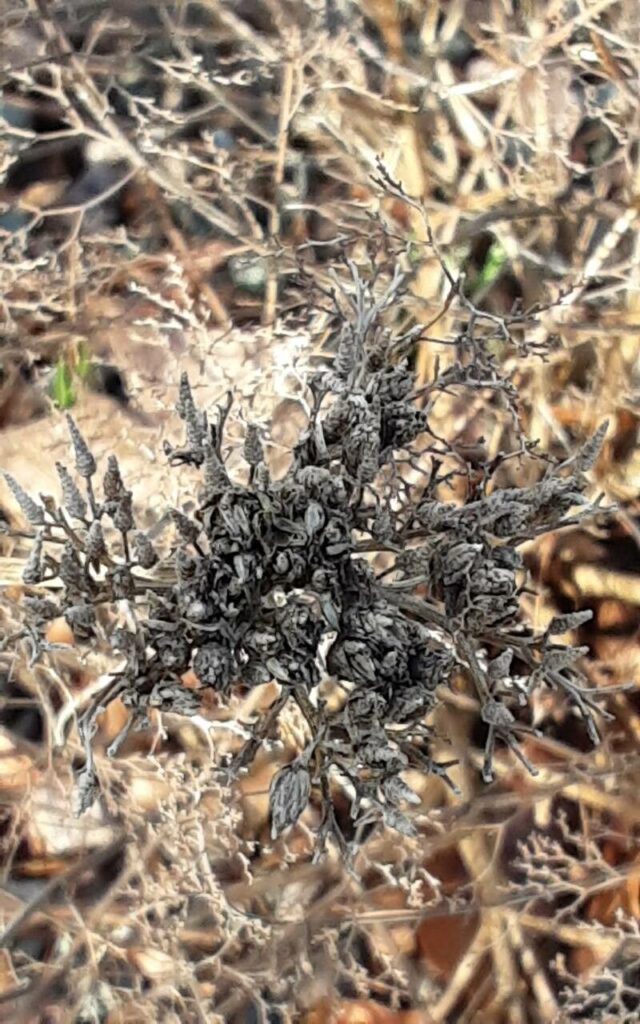
Propagating Achillea ligustica: A Gardener’s Guide
Introduction:
Achillea ligustica, commonly known as Ligurian Yarrow, is a charming perennial herb showcasing delicate, feathery foliage and clusters of small, typically white or yellow, flowers. Its compact growth habit and drought tolerance make it a popular choice among gardeners, particularly for rock gardens, borders, and containers. While its attractiveness is undeniable, propagating Achillea ligustica can present some unique challenges. Its success often depends on the chosen method and a keen understanding of the plant’s requirements. This article explores the various propagation methods, outlining their viability and offering practical advice for gardeners.
Seed Germination:
Currently, there are no known reliable methods for seed germination propagation of Achillea ligustica. While seeds may be produced, their germination rate is notoriously low, and the resulting seedlings often display inconsistent characteristics. Further research is needed to determine if specific pre-treatment techniques, such as stratification or scarification, could improve germination success.
Cuttings:
Cuttings offer a more reliable method for propagating Achillea ligustica than seed.
Challenges: Rooting success can be somewhat variable, dependent on timing and environmental conditions. Hardwood cuttings taken in late autumn or winter have a lower success rate than softwood or semi-hardwood cuttings taken in spring/early summer.
Practical Tips: Take 4-6 inch long cuttings from non-flowering stems, removing lower leaves. Dip the cut ends in rooting hormone before planting into a well-draining propagation mix (e.g., a mix of perlite and peat moss). Maintain high humidity using a propagator or plastic bag, and place in a bright but indirect light location. Consistent moisture is crucial without overwatering.
Rewards: Cuttings offer a quicker route to producing plants that are genetically identical to the parent plant, preserving desirable traits. This is particularly beneficial if you have a unique or highly prized cultivar.
Division:
Division is the most reliable and widely practiced method for propagating Achillea ligustica.
Challenges: Division is best performed in spring or autumn when the plant is actively growing or preparing for dormancy. Improper division can damage the root system, leading to the death of the parent plant or the newly divided sections.
Practical Tips: Carefully dig up the established plant, gently separating the root crown into several smaller sections, ensuring each section has sufficient roots and shoots. Replant immediately, ensuring adequate spacing based on the mature size of the plant.
Rewards: This method produces new plants quickly, preserving the genetic characteristics of the parent. It’s a relatively simple technique once you understand the plant’s root structure.
Tissue Culture:
Tissue culture is a less commonly used method for propagating Achillea ligustica for home gardeners, requiring specialized equipment and sterile techniques.
Challenges: This method is technologically demanding, requiring a controlled environment, sterile media, and specialized expertise. Cost can be significant for those without access to lab facilities.
Practical Tips: Sterile techniques are essential to avoid contamination. Small pieces of actively growing tissue are cultured on a nutrient-rich agar medium, allowing the plant to regenerate into new plants through multiplication.
Rewards: This method offers the possibility for large-scale propagation, disease-free plants, and the preservation of rare cultivars.
Conclusion:
While seed propagation of Achillea ligustica remains unreliable, cuttings and particularly division offer viable and accessible methods for home gardeners to expand their collections. Tissue culture, although more technically challenging, remains an option for large-scale propagation or preservation efforts. The rewards of successfully propagating Achillea ligustica, whether through the simple joy of division or the technological feat of tissue culture, lie in the satisfaction of nurturing life. The challenges presented only serve to enhance the sense of achievement and connection to the natural world. Don’t be discouraged by initial setbacks; persistence and careful attention to detail will ultimately lead to success.