Propagating the Elegant Achimenes longiflora: A Gardener’s Guide
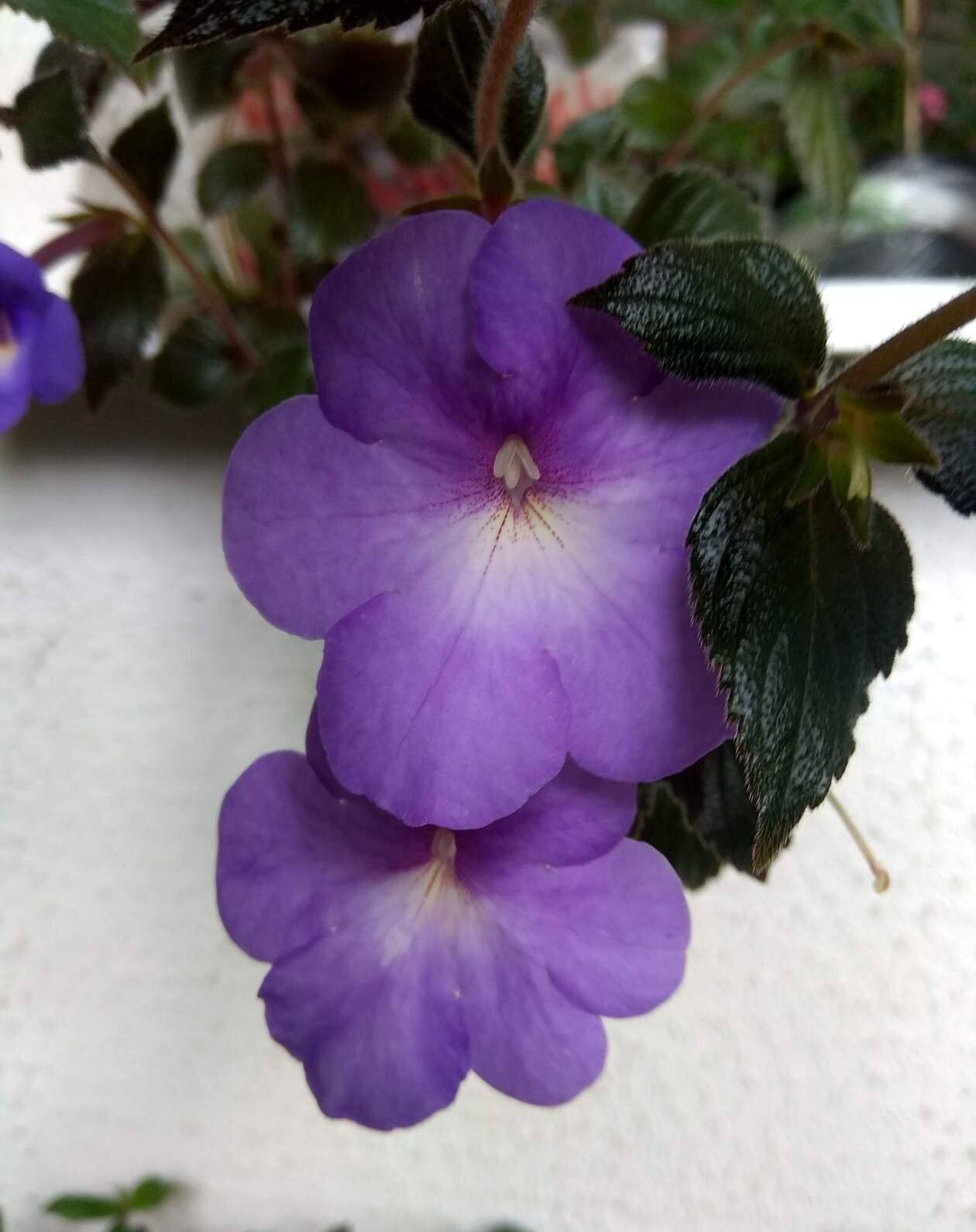
Achimenes longiflora, also known as the long-flowered achimenes, is a captivating member of the Gesneriaceae family, prized for its delicate, pendulous flowers and cascading habit. Its popularity among plant enthusiasts stems from its relatively easy cultivation and the sheer beauty of its blooms, which range in color from deep violet to soft lavender. However, propagating this charming plant presents unique challenges and rewards, varying greatly depending on the chosen method.
Seed Germination:
Currently, there are no known reliable methods for seed germination propagation of Achimenes longiflora. While the plant does produce seeds, their germination rate is notoriously low and unpredictable, making this method impractical for most gardeners. Further research into specific germination requirements might yield results in the future, but currently, relying on seed propagation is not advised.
Cuttings:
Cuttings offer a much more reliable method for propagating Achimenes longiflora.
Challenges: Success with cuttings depends on selecting healthy, actively growing stems. The cuttings themselves are relatively fragile and prone to rotting if not handled carefully.
Practical Tips: Take 4-6 inch stem cuttings, ensuring at least two leaf nodes are present. Remove lower leaves to prevent rot. Dip the cut end in a rooting hormone for improved success. Propagate in a well-draining, moist potting mix, such as a mixture of peat moss and perlite. Maintain high humidity (e.g., using a propagation dome or plastic bag) and warm temperatures (around 70-75°F). Avoid overwatering.
Rewards: Cuttings offer a relatively quick and straightforward way to increase your Achimenes longiflora stock, preserving the exact genetic characteristics of the parent plant.
Division:
Division is arguably the easiest and most popular method for propagating Achimenes longiflora.
Challenges: This method is only feasible when the plant is dormant (typically during winter) and its rhizomes are sufficiently developed. Care must be taken to avoid damaging the delicate rhizomes during the division process.
Practical Tips: Gently remove the plant from its pot and carefully separate the rhizomes, ensuring each section has at least a few healthy buds or shoots attached. Replant each division in its own pot using a well-draining potting mix.
Rewards: Division provides a reliable and efficient way to multiply your plants, allowing you to quickly expand your collection.
Tissue Culture:
Tissue culture offers a more advanced, albeit more complex, method for propagating Achimenes longiflora.
Challenges: This method requires a sterile laboratory environment, specialized equipment, and a thorough understanding of plant tissue culture techniques. The initial investment can be significant, and contamination can easily ruin the entire process.
Practical Tips: This method requires sterile conditions and use of a growth medium supplemented with plant hormones. Successful propagation relies on careful aseptic techniques.
Rewards: Tissue culture allows for mass production of clones and eliminates the risk of disease transmission that can occur with other propagation methods. It’s useful for large-scale commercial propagation.
Conclusion:
Propagating Achimenes longiflora presents a spectrum of challenges and rewards. While seed germination is currently impractical, cuttings and division offer readily accessible methods for home gardeners. Tissue culture represents a potent tool for large-scale propagation but demands expertise and resources. The unique satisfaction of successfully propagating this beautiful plant lies in overcoming these hurdles, witnessing the delicate shoots emerge and eventually burst forth into a glorious display of cascading flowers. For aspiring propagators, start with the simpler methods of cuttings or division. Master these, and you’ll be well on your way to enjoying the prolific beauty of Achimenes longiflora for years to come.