
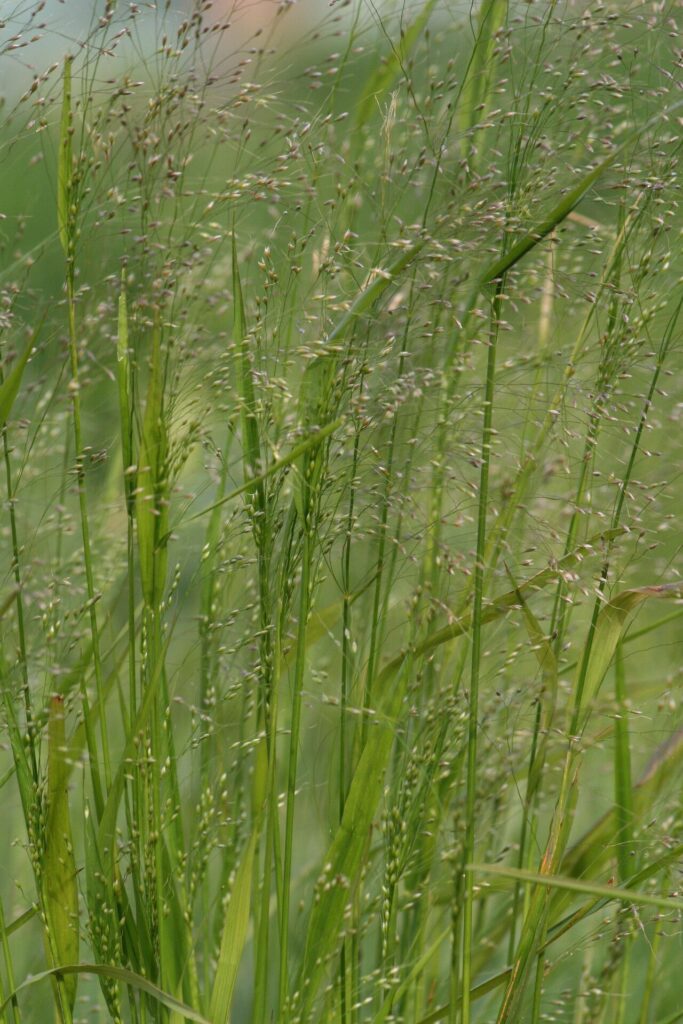
Propagating Achnatherum virescens: A Guide to Growing Green Grama Grass
Achnatherum virescens, commonly known as green grama grass, is a hardy, drought-tolerant perennial grass prized for its fine texture, bluish-green foliage, and ability to form dense, attractive clumps. Its adaptability makes it a popular choice for landscaping, particularly in xeriscaping designs and low-maintenance gardens. While relatively low-maintenance once established, propagation of green grama grass can present some unique challenges. Understanding these challenges and employing the appropriate techniques is key to success.
Seed Germination:
Currently, there are no known reliable methods for seed germination propagation of Achnatherum virescens. While seeds may be produced, germination rates are notoriously low and inconsistent, even under optimal conditions. Factors such as dormancy mechanisms and the need for specific environmental cues likely contribute to this difficulty. Therefore, relying on seed germination for propagating green grama grass is not a practical approach for most gardeners.
Cuttings:
Propagating Achnatherum virescens via cuttings is also unreliable. Green grama grass does not readily root from stem or basal cuttings. Attempts at propagation using this method have generally yielded poor results. The low success rate is likely due to the grass’s physiological limitations and the difficulty in encouraging root formation from cutting material.
Division:
Division is the most reliable and practical method for propagating Achnatherum virescens. This technique involves carefully separating established clumps into smaller sections, each with its own root system and actively growing shoots.
Challenges: The main challenge with division lies in ensuring each division has a sufficient root mass to establish itself. Divisions that are too small may struggle to survive. Furthermore, the timing is crucial; division is best undertaken in spring or early autumn when the plant is actively growing but not under stress from extreme heat or cold.
Practical Tips: Use a sharp, clean shovel or spade to carefully divide the clump. Avoid damaging the roots as much as possible. Immediately replant the divisions in well-prepared soil, ensuring sufficient spacing between them to allow for future growth. Water thoroughly after planting.
Rewards: Division offers a high success rate, allowing for rapid increase in the number of plants. Furthermore, it maintains the genetic characteristics of the mother plant, ensuring consistency in the offspring.
Tissue Culture:
While tissue culture is a sophisticated technique capable of propagating many plants, there is limited published research on its efficacy with Achnatherum virescens. Further investigation would be needed to determine the feasibility and success rates of this method. The challenges may include difficulties in establishing sterile cultures and optimizing growth media for this specific species.
Conclusion:
Propagating Achnatherum virescens presents some significant hurdles. While seed germination and cuttings prove unreliable, division offers a highly effective method for successful propagation. The rewards of cultivating this beautiful and resilient grass are worth the effort, however. The dense, textured foliage contributes significantly to a beautiful landscape, and the satisfaction of nurturing a plant from a division, overcoming the inherent challenges, is uniquely rewarding. For aspiring propagators, patience, persistence, and a focus on the reliable division method are key to success in growing this attractive ornamental grass. Don’t be discouraged by the initial difficulties; the beautiful result is well worth the time invested.