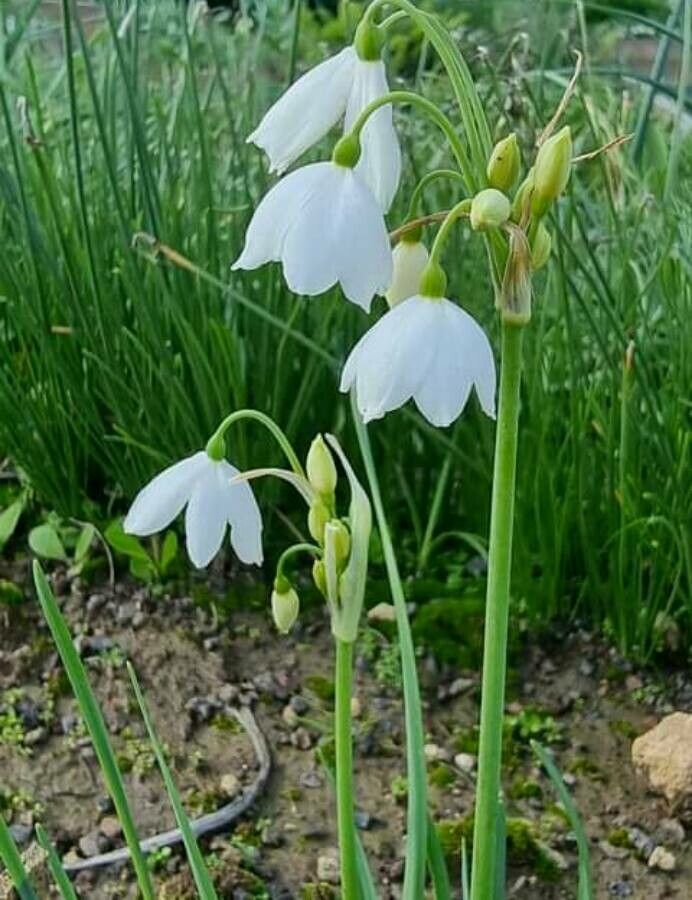
Propagating the Winter Snowflake: Acis tingitana
Acis tingitana, commonly known as the Winter Snowflake, is a charming and diminutive bulbous plant native to Morocco. Its delicate, white, star-shaped flowers, appearing in late winter or early spring, make it a prized addition to rock gardens, alpine houses, and containers. While relatively rare in cultivation, its beauty and unique flowering time have garnered increasing popularity among gardeners seeking unusual spring blooms. Its propagation, however, presents some unique challenges, making success all the more rewarding.
Seed Germination:
Currently, there are no known reliable methods for seed germination propagation of Acis tingitana. While seeds may be produced, their germination rate is notoriously low, and successful seedling establishment is rarely reported. Further research is needed to determine optimal conditions for germination, such as specific stratification periods or hormonal treatments.
Cuttings:
Cuttings are not a viable method for propagating Acis tingitana. This species, like many bulbous plants, relies on its underground bulb for vegetative propagation. Stem or leaf cuttings are unlikely to root and develop into new plants.
Division:
Division is the most reliable and commonly used method for propagating Acis tingitana. This involves carefully separating the offsets (small bulblets) that form around the mother bulb.
Challenges: The offsets are often small and fragile, requiring careful handling to avoid damage. Success relies on separating them at the right time, typically after the foliage has died back in summer but before the bulbs become dormant.
Practical Tips: Gently lift the entire clump of bulbs. Use a clean, sharp knife or your fingers to separate the offsets, ensuring each has a portion of roots attached. Plant the separated bulblets immediately in well-drained, slightly alkaline soil, ensuring they are not planted too deeply.
Rewards: Division offers a relatively quick and easy method for increasing the number of plants. It also ensures that the genetic characteristics of the mother plant are preserved.
Tissue Culture:
Tissue culture offers a potential, albeit specialized, method for propagating Acis tingitana.
Challenges: Establishing sterile culture conditions and developing appropriate media formulations for optimal growth and shoot development are significant challenges. This method requires specialized expertise and equipment.
Practical Tips: Specialized knowledge and laboratory facilities are essential for successful tissue culture propagation. This methodology would involve sterilizing bulb sections and culturing them on a suitable growth medium containing plant hormones to induce shoot proliferation and later root development.
Rewards: Tissue culture allows for the large-scale production of genetically identical plants, a considerable advantage for conservation efforts and commercial propagation.
Conclusion:
Propagating Acis tingitana presents several hurdles. While seed propagation currently appears unfeasible, division offers the most accessible and reliable method for the home gardener. Tissue culture presents a potentially powerful tool for large-scale propagation but requires sophisticated techniques and facilities. The inherent challenges associated with multiplying this beautiful miniature bulb, however, only enhance the sense of accomplishment felt when successfully producing new plants. The delicate beauty of the winter snowflake, carefully nurtured from a small offset, truly embodies the unique satisfaction of horticultural success. For aspiring propagators, patience, attention to detail, and a respect for the delicate nature of this plant are key to success.