
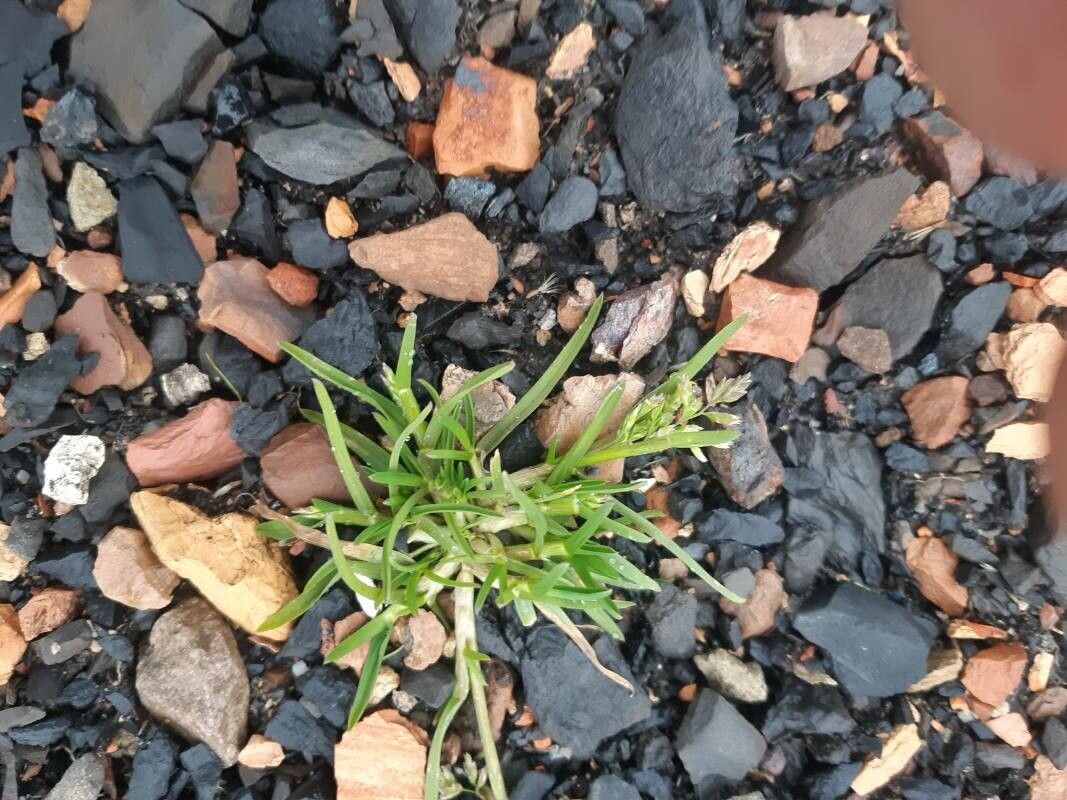
Taming the Tiny Tyrant: Propagating Annual Bluegrass (Poa annua)
Annual bluegrass (Poa annua) – the bane of many a meticulous lawn-keeper, yet a fascinatingly resilient plant in its own right. Its ability to pop up just about anywhere, thriving even in the harshest conditions, speaks volumes about its tenacity. But what if, instead of fighting against it, we could harness this resilience? This post delves into the surprisingly simple world of propagating annual bluegrass, offering insights that may just turn your perspective on this persistent little plant.
The Seed of the Matter: Why Propagate Annual Bluegrass?
Before we delve into the ‘how’, let’s address the ‘why’. Why would anyone choose to propagate a plant often considered a nuisance?
- Research and Experimentation: For botanists and curious gardeners, studying and experimenting with Poa annua’s adaptability can be incredibly insightful.
- Beneficial Applications: In certain contexts, annual bluegrass is intentionally cultivated. It provides short-term ground cover, prevents erosion, and can even be used as a fast-growing forage crop for livestock.
Propagation Prowess: Two Strategies for Success
Annual bluegrass is a master of self-propagation, readily reseeding itself year after year. To take control of the process, you can use two main methods:
1. Seed Propagation:
- Collection: Look for seed heads, which resemble miniature wheat stalks, turning from green to tan as they mature. Gently clip these heads, ensuring seeds are dry and easily fall off.
- Sowing: Directly sow seeds in desired locations, lightly pressing them into the soil. Poa annua prefers cooler temperatures and moist soil, making early spring or fall ideal for sowing.
- Germination: With adequate moisture, expect germination within 7-14 days.
2. Division:
- Timing: Early spring or fall, when the plant is actively growing, is best.
- Lifting: Carefully dig up a clump of mature Poa annua, ensuring roots are intact.
- Dividing: Gently separate the clump into smaller sections, each containing roots and shoots.
- Replanting: Replant divisions at the same depth they were originally growing, watering thoroughly.
Nurturing New Growth: Care Tips
Annual bluegrass is remarkably low-maintenance. However, to give your propagated plants the best start:
- Water: Provide regular watering, especially during dry periods, until plants are established.
- Sunlight: While tolerant of shade, Poa annua thrives in sunny locations.
- Fertilizer: Light fertilization in spring can encourage healthy growth but is generally not necessary.
A Note of Caution:
Propagating annual bluegrass, especially outside its intended use, should be approached with care. Its ability to spread rapidly means containing it is crucial to prevent it from outcompeting desired plants.
By understanding the life cycle and propagation techniques of annual bluegrass, we can begin to appreciate its incredible resilience and potentially even harness its benefits. Who knew that taming this tiny tyrant could be so simple?