
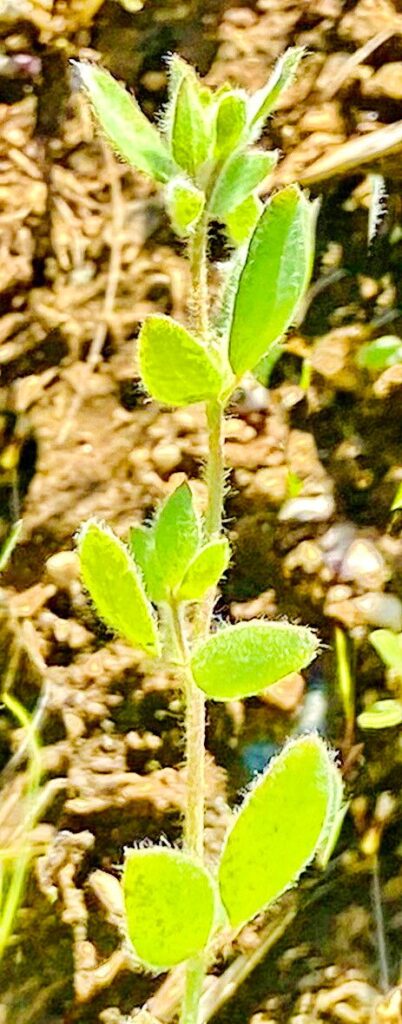
Propagating Acmispon americanus: A Gardener’s Guide to the American Bird’s-foot Trefoil
Acmispon americanus, commonly known as American bird’s-foot trefoil, is a charming, low-growing perennial legume prized for its vibrant yellow flowers and tolerance to drought and poor soils. Its dense, spreading habit makes it a valuable ground cover, attracting pollinators and contributing to erosion control. While relatively easy to establish once grown, propagation can present some unique challenges, making successful cultivation all the more rewarding. This guide explores various propagation methods for this delightful plant.
Seed Germination:
Currently, there are no known reliable methods for seed germination propagation of Acmispon americanus. While seeds may be available commercially, their germination rate is notoriously low and unpredictable, making this method impractical for most gardeners. Further research into specific seed pretreatment techniques might yield better results in the future, but currently this approach is not recommended.
Cuttings:
Cuttings offer a more reliable method for propagating Acmispon americanus.
Challenges: Rooting success depends heavily on timing and technique. Hardwood cuttings taken in late autumn or dormant cuttings taken in winter generally show poor results.
Tips: Semi-hardwood cuttings, taken in late spring or early summer from actively growing stems, provide the best chance of success. These should be 4-6 inches long, with lower leaves removed to prevent rotting. Dip the cut ends in rooting hormone before planting in a well-draining propagation mix such as a perlite and vermiculite blend or a specialized rooting compound. Maintain high humidity (using a humidity dome or plastic bag) and consistent moisture. Propagation may take several weeks or even months.
Rewards: Cuttings provide a relatively fast and reliable way to increase the number of plants while maintaining the genetic characteristics of the parent plant.
Division:
Division is a straightforward method suitable for established plants.
Challenges: Acmispon americanus doesn’t readily lend itself to division as it doesn’t form dense clumps of easily separable crowns. Dividing it may disrupt the root system, leading to stress and potentially harming the plant if not done carefully.
Tips: Division is best attempted in early spring or fall when the plant is actively growing or just beginning to grow. Carefully dig up the entire plant, gently tease apart the root system, ensuring each section has healthy roots and stems. Replant immediately, spacing divisions appropriately.
Rewards: Division provides a simple way to propagate a desired plant, especially mature plants that have become crowded.
Tissue Culture:
Tissue culture is a more advanced method requiring specialized equipment and expertise.
Challenges: Establishing a sterile culture and inducing shoot proliferation from Acmispon americanus tissue requires precise technique and specialized medium formulation. It’s a costly and time-consuming process requiring a controlled laboratory environment.
Tips: This method is generally not recommended for home gardeners since it requires significant resources and training. Research is needed to determine optimal culture conditions.
Rewards: Tissue culture offers the potential for rapid propagation of large numbers of genetically identical plants, valuable for conservation or commercial purposes.
Conclusion:
Propagating Acmispon americanus presents varying levels of difficulty depending on the method employed. While seed germination is currently unreliable, cuttings offer a viable and accessible option for most gardeners. Division is possible but needs cautious handling to avoid plant stress. Tissue culture remains a specialized technique best suited for larger-scale propagation efforts. The unique satisfaction of cultivating this plant lies in the perseverance required to overcome these challenges. The successful propagation of this drought-tolerant and beautiful groundcover represents a significant achievement, rewarding the gardener not only with more plants but with a sense of accomplishment that only patiently nurturing a resilient plant can deliver. Don’t be discouraged by initial setbacks; experiment with cuttings, and celebrate each tiny sprout as a testament to your green thumb!