
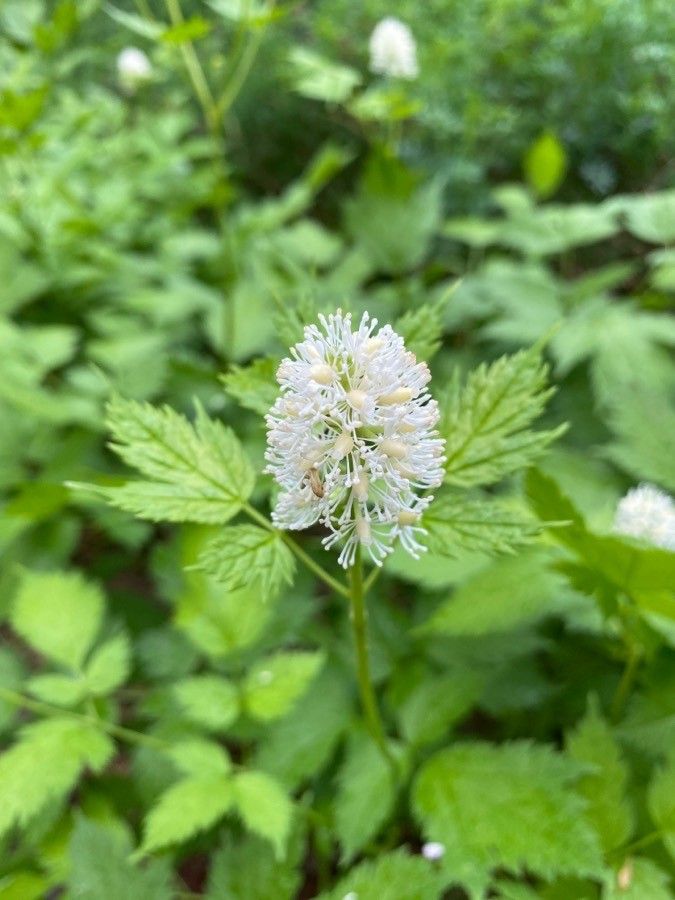
From One to Many: Propagating the Enchanting Baneberry (Actaea spicata)
The enchanting Baneberry, with its alluring clusters of glossy black berries and striking foliage, is a plant that captivates gardeners. But acquiring this fascinating beauty can be tricky. Many nurseries don’t stock it, and acquiring seeds can be a challenge. The good news? You can easily propagate Baneberry yourself, bringing the magic of this captivating plant into your garden!
Understanding Actaea spicata
Actaea spicata, more commonly known as Baneberry, is a herbaceous perennial native to woodlands across Europe and Asia. This shade-loving plant thrives in moist, well-drained soil and adds a touch of elegance to your garden with its dark, glossy leaves and alluring white or pink flower clusters that transform into eye-catching berries in late summer.
The Art of Propagation
While Baneberry can be propagated through seeds, the most effective method is through division. This allows you to create new plants quickly and ensures they possess the same traits as the parent plant.
Division: The Method of Choice
1. Timing is Key: Spring and early fall are the ideal times to divide your Baneberry. Choose a cooler day for the process.
2. Preparation: Locate a well-drained spot in your garden that receives dappled shade. Prepare the soil by digging a hole slightly larger than the root ball of the plant you’re dividing.
3. The Division Process:
- Carefully dig up the parent plant, making sure to preserve the root system.
- Use a sharp knife or a trowel to gently divide the plant into smaller sections, ensuring each section has healthy roots.
- Remove any damaged or diseased parts.
- Plant each division in its designated spot.
4. Aftercare:
- Water the newly planted divisions thoroughly.
- Mulch around the plants to retain moisture and suppress weeds.
- Keep an eye on the plants during their first year, providing additional water if the soil becomes dry.
Direct Sowing: A Less Common Approach
For those who prefer direct sowing, Baneberry seeds require a dormant period.
1. Collecting Seeds: Gather ripe berries in the fall. You’ll need to remove the fleshy part of the berries to expose the seeds.
2. Stratification: Place the seeds in a moist mixture of equal parts sand and peat moss in a sealed container. Store the container in a cool, dark area for at least 60 days.
3. Spring Planting: In spring, sow the seeds in a seed tray filled with seed starting mix. Cover the seeds lightly with soil, and keep the tray moist.
4. Patience is Key: Baneberry seeds can take several weeks to germinate. Once the seedlings have grown strong, transplant them into their permanent location outdoors.
Final Thoughts
Propagating Baneberry is a rewarding experience. Not only will you expand your beautiful plant collection, but you’ll also be providing an excellent source of food for songbirds, who are drawn to its berries.
Remember, while Baneberry’s berries are beautiful, they are poisonous to humans. Keep them out of reach of children and pets.
With a little patience and effort, you can enjoy the beauty of the Baneberry in your own garden for many years to come!