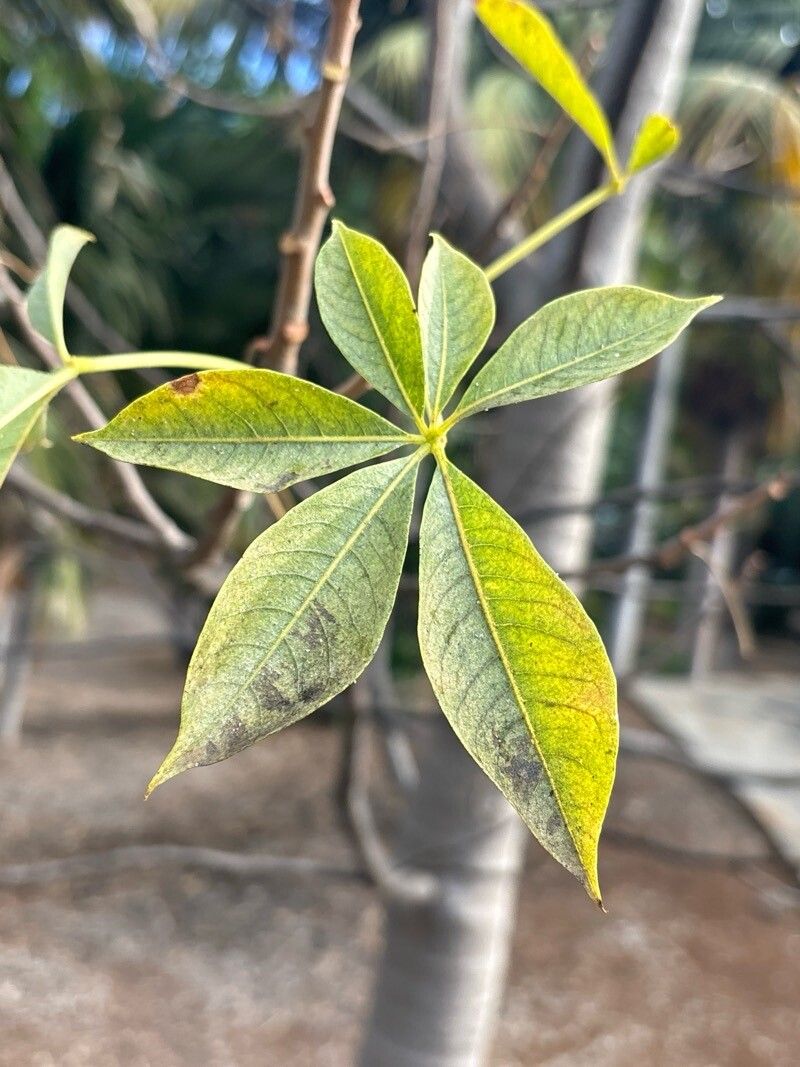
Propagating the Boab: Unveiling the Secrets of Adansonia gregorii
Introduction:
Adansonia gregorii, commonly known as the Boab, is an iconic Australian tree belonging to the baobab family (Bombacaceae). This drought-resistant marvel, characterized by its swollen trunk, gnarled branches, and stunning floral display, has captured the hearts of gardeners worldwide. Its unique adaptation to arid conditions and striking aesthetic qualities make it a highly sought-after addition to both private collections and public landscapes. However, propagating this majestic tree presents several challenges, making the successful cultivation of a Boab a particularly rewarding endeavor. The unique structure of Adansonia gregorii seeds and its slow growth contribute to the complexity of propagation.
Seed Germination:
Seed germination is a viable, albeit challenging, method for propagating Adansonia gregorii. The hard seed coat presents a significant hurdle. Many seeds exhibit dormancy, requiring scarification or pre-treatment to initiate germination.
Challenges: The primary challenge lies in overcoming seed dormancy. The hard seed coat prevents water uptake, hindering germination. Further, fungal infection can be a significant problem in damp conditions.
Practical Tips: Several techniques can improve germination rates. Scarification, either mechanical (nicking the seed coat with a file) or chemical (soaking in concentrated sulfuric acid for a short period – proceed with extreme caution and appropriate safety gear), is often recommended. Soaking seeds in warm water for 24-48 hours prior to sowing can also be beneficial. Sowing should be conducted in well-draining, sterilized potting mix kept consistently moist but not waterlogged. A warm temperature (around 25-30°C) will generally enhance germination. Consider using a propagator to maintain consistent humidity and temperature.
Rewards: Successfully germinating Boab seeds offers the satisfaction of propagating a plant with high genetic diversity, crucial for maintaining the species’ resilience. This method also allows for large-scale propagation, potentially crucial for conservation efforts or supplying plants to nurseries.
Cuttings:
Currently, there are no known reliable methods for propagation of Adansonia gregorii from cuttings. The woody nature of the stems and low success rate with other Adansonia species suggest this method is unlikely to be successful.
Division:
Division is not a viable method for propagating Adansonia gregorii. Boabs are large trees with a single, substantial trunk, making division impossible.
Tissue Culture:
While tissue culture offers potential for rapid propagation and the production of disease-free plants, research on the tissue culture of Adansonia gregorii is limited. The success remains highly dependent on optimized protocols – identifying the appropriate growth media, hormones, and sterilization techniques.
Challenges: Establishing a successful tissue culture protocol needs significant laboratory resources and expertise. Obtaining suitable explants (tissue samples) without damaging the parent plant is further complicated by the tree’s size and age.
Practical Tips: This method requires specialized knowledge and equipment. Research into establishing a successful protocol is needed for further investigation.
Rewards: Successful establishment of a tissue culture protocol would enable rapid and large-scale propagation allowing for the production of genetically identical plants.
Conclusion:
Propagating Adansonia gregorii presents significant challenges, predominantly in overcoming seed dormancy and establishing suitable tissue culture methods. While seed germination holds the most immediate potential for successful propagation, it requires patience, persistence, and attention to detail. Cuttings and division are not viable options. While tissue culture remains largely unexplored, it holds vast potential for large scale propagation in the future. However, overcoming these hurdles leads to a profound sense of accomplishment. Cultivating this remarkable tree from seed or through tissue culture offers a unique connection to nature, demonstrating perseverance and skill in nurturing a living testament to the wonders of the natural world. Aspiring propagators should be prepared for setbacks, but the eventual success in cultivating this iconic species is a deeply rewarding experience. Remember to always prioritize sustainability in your propagation efforts, ensuring the responsible collection of seeds and respecting the natural environment.