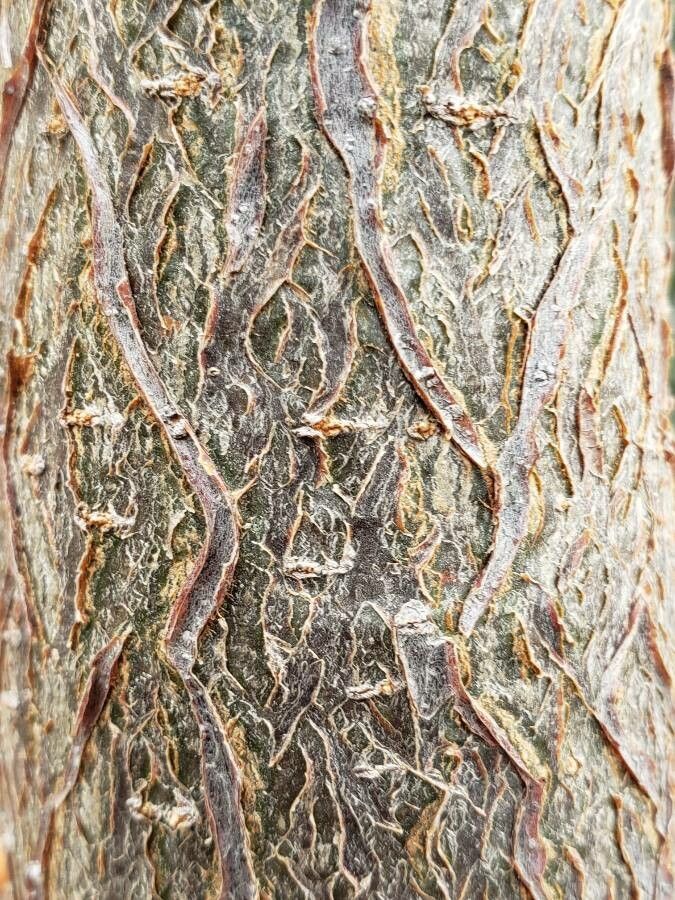
Propagating Adansonia za: A Gardener’s Guide to the Za Baobab
Adansonia za, commonly known as the Za baobab, is a majestic tree belonging to the Bombacaceae family. Native to the arid regions of Madagascar, this iconic tree boasts a distinctive, swollen trunk capable of storing vast quantities of water, a crucial adaptation to its harsh environment. Its striking appearance, resilience, and significant cultural value have made it a sought-after addition to botanical collections and increasingly, private gardens. However, propagating Adansonia za presents unique challenges, demanding patience and a nuanced understanding of its specific needs. This article explores the various propagation methods and their associated triumphs and tribulations.
Seed Germination:
Seed germination is a viable, albeit challenging, method for propagating Adansonia za. The primary obstacle lies in the hard seed coat, which inhibits water absorption and germination. This necessitates overcoming seed dormancy through pre-treatment techniques.
Challenges: Hard seed coat, slow germination rate.
Practical Tips: Scarification (carefully nicking the seed coat with a file or sandpaper) followed by soaking in warm water for 24-48 hours is often recommended. Sowing should be done in well-draining, slightly acidic soil mixture. Maintain consistent warmth (25-30°C) and high humidity. Direct sunlight is beneficial after germination.
Rewards: High genetic diversity amongst seedlings, potential for large-scale propagation if successful.
Cuttings:
Currently, there are no known reliable methods for propagation of Adansonia za via cuttings. The woody nature of the stems and the tree’s adaptation to arid conditions make successful rooting extremely difficult.
Division:
Division is not a feasible propagation method for Adansonia za. Its immensely deep and robust root system makes separation and transplanting virtually impossible without causing severe damage and likely resulting in the death of the plant.
Tissue Culture:
Tissue culture, a sophisticated laboratory-based technique, offers the best potential for consistent and large-scale propagation of Adansonia za. However, establishing sterile cultures of Adansonia species can be demanding, often requiring specialized expertise and equipment.
Challenges: Requires specialized knowledge, lab facilities, and equipment; relatively high initial investment.
Practical Tips: The use of appropriate growth media, plant hormones (auxins and cytokinins), and sterile conditions are essential. Successful protocols need to be developed specifically for Adansonia za.
Rewards: High success rates, potential for rapid multiplication of desirable genotypes, disease-free plantlets.
Conclusion:
Propagating Adansonia za presents various challenges across all methods. While seed germination is possible with careful preparation, its success rate can be unpredictable. Cuttings and division are effectively ruled out by the plant’s nature. Tissue culture appears to hold the most promise for achieving reliable and scalable propagation.
The reward, however, is well worth the effort. Successfully cultivating this magnificent tree from seed or a tissue culture plantlet is a truly fulfilling experience. The journey, filled with patience, careful observation, and perhaps a few setbacks, culminates in the satisfaction of nurturing a living piece of Madagascar’s unique botanical heritage. To all aspiring propagators of this iconic species: research diligently, remain persistent, and remember that the inherent difficulties only serve to amplify the joy of eventual success. Start with seed germination if you have access to viable seeds and consider tissue culture as a more reliable option if resources permit.