
Propagating the Honeysuckle-Flowered Adenanthos: A Gardener’s Guide to Adenanthos obovatus
Introduction
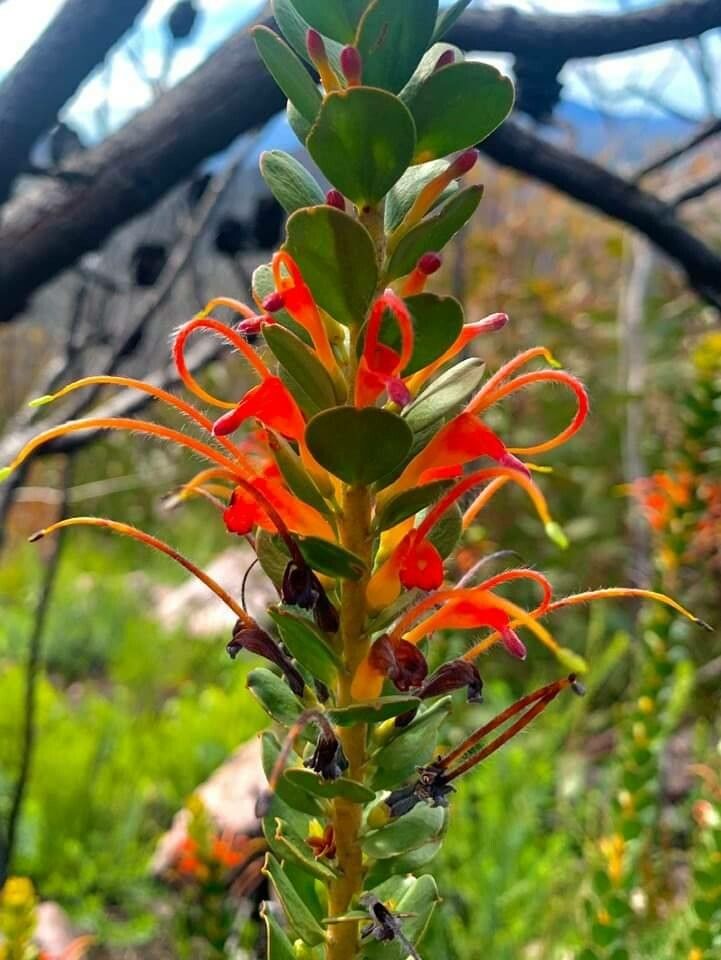
Adenanthos obovatus, commonly known as Honeysuckle-flowered Adenanthos, is a captivating shrub native to Western Australia. Its distinctive, velvety, obovate leaves and striking red-pink to deep-crimson flowers make it a highly prized addition to Australian gardens and collections worldwide. Its tolerance of a range of conditions, from sandy soils to well-drained heavier soils, and its relatively compact growth habit contribute to its popularity among gardeners. However, propagation can present some unique challenges. This article explores various propagation methods for Adenanthos obovatus, assessing their feasibility and offering practical advice.
Seed Germination
Seed germination for Adenanthos obovatus is possible, but presents significant challenges. The seeds possess a hard seed coat which inhibits water uptake and germination. This necessitates pre-treatment before sowing.
Challenges: Low germination rates and slow germination times are common. Fungal diseases can also attack seedlings.
Practical Tips: Seed stratification (chilling the seeds for several weeks) at 4°C, followed by scarification (lightly nicking the seed coat) to aid water penetration, can improve germination rates. Seeds should be sown in a well-draining seed-raising mix, kept moist but not waterlogged in a bright, but not direct sunlight location. The use of a fungicide may help minimize fungal issues.
Rewards: Successful seed germination offers genetic diversity, a crucial factor in maintaining plant health and resilience. Seed propagation also allows for large-scale production, making more plants available for landscaping or conservation efforts.
Cuttings
Propagation from cuttings is a more reliable method for Adenanthos obovatus than seed germination. However, it still requires attention to detail.
Challenges: Cuttings can be slow to root, and the success rate can be variable depending on the timing and technique used.
Practical Tips: Semi-hardwood cuttings, taken in late spring or early summer, generally yield better results. Use a rooting hormone to encourage root development. High humidity and bottom heat can significantly improve rooting success. A well-draining propagating mix is essential.
Rewards: Cuttings retain the exact genetic makeup of the mother plant, ensuring uniformity within a planting. This method is particularly useful for propagating superior cultivars or specific desirable traits.
Division
Division is not a typical propagation method for Adenanthos obovatus due to its shrubby growth habit and the potential for root damage during the process. Therefore, it is not recommended.
Tissue Culture
Tissue culture propagation is a specialized technique that is not commonly used for Adenanthos obovatus by home gardeners. While potentially capable of generating large numbers of plants, the setup costs and technical expertise needed present significant hurdles for the average hobbyist. The feasibility of this method needs further research.
Conclusion
Propagating Adenanthos obovatus presents certain difficulties, particularly with seed germination. Cuttings, while more reliable, demand patience and careful technique. Seed propagation offers genetic diversity, while cuttings ensure uniformity. The lack of reliable methods for division and the complexity of tissue culture essentially leave these methods out of scope for most home gardeners.
The unique satisfaction in successfully cultivating Adenanthos obovatus, however, is undeniably rewarding. The journey from a tiny cutting or a stubbornly germinating seed to a mature plant laden with striking flowers is a testament to the gardener’s dedication and knowledge. Don’t be discouraged by the challenges; experiment with different approaches, learn from setbacks, and relish the unique beauty of this remarkable Australian plant. With patience and persistence, you too can enjoy the rewarding experience of propagating your own Honeysuckle-flowered Adenanthos.
