
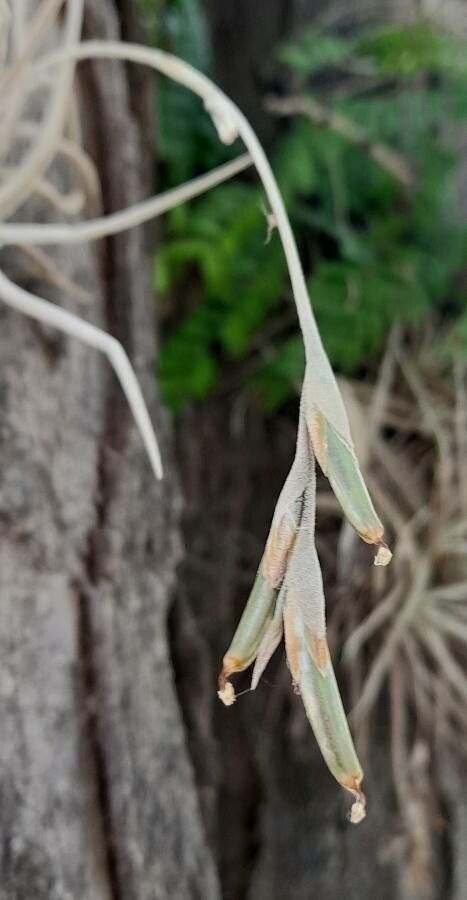
Unlocking the Secrets of Sky Plant Multiplication: How to Propagate Tillandsia caliginosa
Tillandsia caliginosa, with its silvery scales and delicate blooms, is a captivating air plant that adds a touch of whimsy to any space. Unlike traditional houseplants, these epiphytes don’t require soil, drawing moisture and nutrients from the air around them. But how do you multiply these ethereal beauties? Let’s unlock the secrets of propagating Tillandsia caliginosa.
Understanding the Basics
Before diving into propagation, it’s important to understand how air plants reproduce. Unlike many plants that rely solely on seeds, Tillandsia caliginosa primarily reproduces through offsets, also known as “pups.” These miniature replicas emerge from the base of the mother plant after blooming, creating clusters of new life.
The Art of Pup Separation
Propagating Tillandsia caliginosa through pups is a rewarding experience. Here’s how to do it successfully:
Timing is Key: Wait until the pups are at least a third the size of the mother plant. This ensures they have developed sufficient roots to survive independently.
Gentle Detachment: Carefully wiggle the pup at its base, using a gentle twisting motion. If it doesn’t detach easily, use a clean, sharp knife to separate it, ensuring a clean cut close to the mother plant.
Allow Time to Heal: Let the cut surfaces of both the pup and mother plant dry for a day or two. This prevents rot and encourages healthy growth.
Alternative Propagation: Exploring Seed Germination
While less common, Tillandsia caliginosa can also be grown from seed. However, this requires patience and a touch of green thumb. Here’s a glimpse into the process:
Obtaining Seeds: Look for seed pods that form after the plant flowers. Once the pods dry and split open, collect the tiny, hair-like seeds.
Creating the Right Environment: Sow the seeds on a bed of sphagnum moss, misting regularly to maintain humidity. Provide bright, indirect light and ensure good air circulation.
- The Long Wait: Seed germination can take several weeks to months. Be patient and continue misting regularly to keep the environment moist.
Caring for Your New Clones
Once you’ve successfully propagated your Tillandsia caliginosa, provide the right care to ensure their thriving growth:
Light: Place them in a location with bright, indirect light. Avoid direct sunlight, as it can scorch their delicate leaves.
Water: Mist your air plants 2-3 times a week, ensuring they are completely dry between waterings. Alternatively, you can soak them in a bowl of water for 15-20 minutes once a week.
- Air Circulation: Ensure good air circulation to prevent rot. Avoid placing them in enclosed containers or stagnant areas.
Propagating Tillandsia caliginosa is a fulfilling way to expand your collection of these captivating air plants. By following these steps and providing the right care, you can enjoy the ethereal beauty of these sky-dwelling wonders for years to come.