
Propagating Adenia glauca: A Guide for the Determined Cultivator
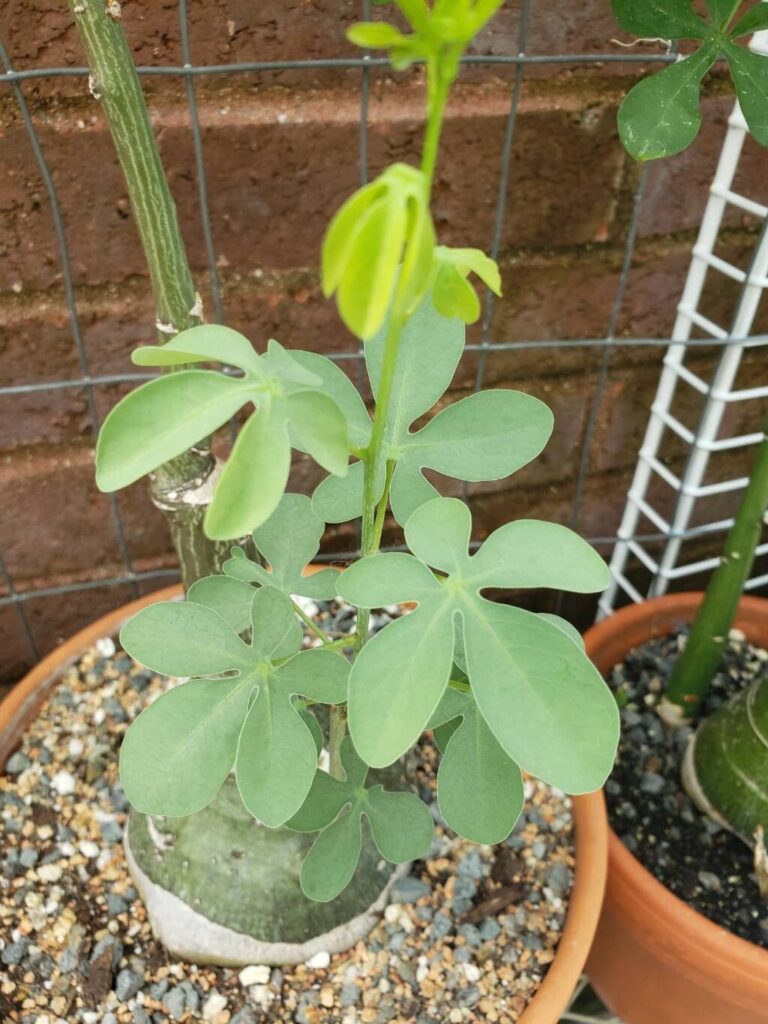
Adenia glauca, also known as the "Glaucescent Adenia" or sometimes simply as a "ground-covering" Adenia due to its sprawling habit, is a fascinating succulent vine belonging to the Passifloraceae family. Native to parts of Africa, it captivates gardeners with its striking, often strangely shaped caudex (a swollen stem base), intricate leaf patterns, and unique, relatively inconspicuous flowers. Its popularity stems from its unusual appearance and its relatively manageable size compared to some other Adenia species, making it a desirable addition to succulent collections. However, propagating this intriguing plant presents unique challenges.
Seed Germination:
Currently, there are no known reliable methods for seed germination propagation of Adenia glauca. While seeds may be produced, germination rates are extremely low, even under optimal conditions. Factors like dormancy mechanisms and specific environmental requirements remain largely unstudied and often undocumented. Therefore, relying on seed germination for propagating Adenia glauca is not a practical option for the average hobbyist.
Cuttings:
Cuttings offer a slightly more promising approach, although still challenging.
- Challenges: Adenia glauca cuttings are notorious for their susceptibility to rot. The high moisture content combined with slow callusing makes them vulnerable.
- Practical Tips: The best time to take cuttings is during the warmer months of active growth. Use sharp, sterilized tools to take stem cuttings of approximately 4-6 inches long, ensuring each cutting has at least a few nodes. Allow the cuttings to callous over for several days before planting in a well-draining, gritty succulent potting mix, barely burying the base. Maintain a humid environment (using a humidity dome or propagator) but avoid overwatering. Bottom heat can also significantly improve success rates. The use of rooting hormone is recommended.
- Rewards: Successful propagation from cuttings allows for the duplication of desirable characteristics of the mother plant, offering a faster propagation method compared to other techniques.
Division:
Division is possible, but limited by the plant’s growth habit.
- Challenges: Adenia glauca doesn’t readily lend itself to division, as its caudex is typically a single, integral structure. Forced division is likely to damage the plant significantly and may result in the loss of both the parent plant and the offsets.
- Practical Tips: If a plant naturally produces offsets (small plantlets developing at the base), these can be carefully separated during repotting, ensuring each offset has its own root system or a healthy portion of roots. The cuts must be made cleanly and allowed to thoroughly callous to prevent rotting.
- Rewards: When successful, division is a quick way to increase the number of plants. However, this method is highly dependent on the individual plant and usually only yields a limited number of propagules.
Tissue Culture:
Tissue culture remains largely unexplored for Adenia glauca.
- Challenges: Establishing sterile cultures and identifying the optimal growth media and hormonal requirements for Adenia glauca would require extensive experimentation. This method is highly technical and requires specialized equipment and knowledge.
- Practical Tips: This method is not feasible for home propagators. The process should be handled in a controlled laboratory setting by qualified professionals.
- Rewards: Tissue culture holds the greatest potential for large-scale propagation and the preservation of genetic diversity. However, its complexity and cost make it inaccessible to most home cultivators.
Conclusion:
Propagating Adenia glauca presents a significant challenge, with cutting propagation being the most viable method for the enthusiastic hobbyist. While seed germination is currently unreliable, and division and tissue culture methods require specialized skills and resources, the perseverance of achieving successful propagation yields immense satisfaction. The unique character of this plant, combined with the difficulty involved in increasing its numbers, makes each successfully propagated specimen a testament to patience, skill, and a deep appreciation of this fascinating botanical treasure. For those inclined to take on the challenge, meticulous attention to detail, sterile techniques, and a well-draining growing medium are absolutely crucial for success. The reward of watching a tiny cutting transform into a mature plant, showcasing its distinctive caudex and foliage, is truly unparalleled.