
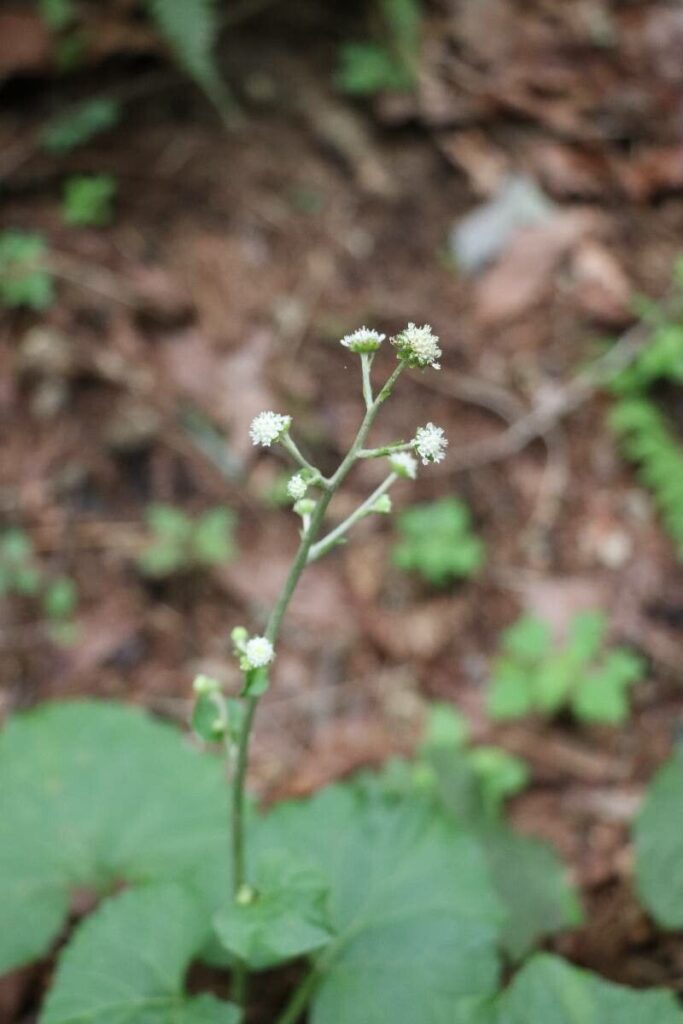
Unlocking the Himalayan Mystery: Propagating Adenocaulon himalaicum
The plant world is full of fascinating characters, and Adenocaulon himalaicum, also known as the “Pathfinder” or “Trail Plant,” is no exception. Native to the Himalayas and other parts of Asia, this intriguing perennial has captured the curiosity of plant enthusiasts for its unusual foliage and unique seed dispersal method. But venturing beyond admiring this botanical oddity to actually propagating it can feel like uncharted territory. Fear not, fellow plant lovers! This guide will shed light on the mysteries of propagating Adenocaulon himalaicum.
Understanding the Pathfinder’s Quirks:
Before diving into propagation, it’s helpful to understand what makes Adenocaulon himalaicum so special. This shade-loving plant boasts large, triangular leaves with a captivating secret. The upper surface is green and smooth, while the underside reveals a startling white, velvety texture. This contrasting coloration is no accident. It plays a crucial role in the plant’s clever seed dispersal strategy.
Once the small, inconspicuous flowers bloom and produce seeds, the real show begins. The flower stalks elongate, positioning the seed heads closer to the ground. As animals or hikers brush past, the sticky glands on the seeds cling on, hitching a ride to new locations. This remarkable adaptation has earned the plant its common names.
Propagating the Himalayan Treasure:
Adenocaulon himalaicum can be propagated through two primary methods:
1. Seed Propagation:
- Collecting Seeds: The key here is timing. Watch for the flower stalks to elongate and the seed heads to develop a slightly sticky texture. Collect the seeds carefully, as they are notorious for clinging to anything they touch.
- Sowing the Seeds: Sow the seeds in a well-draining seed-starting mix, barely covering them. Keep the soil consistently moist but not waterlogged.
- Patience is Key: Germination can be slow and erratic, often taking several weeks or even months.
- Providing Ideal Conditions: Place the seed tray in a cool, shaded location mimicking the plant’s natural habitat.
2. Division:
- Timing is Crucial: The best time for division is early spring when the plant is just emerging from dormancy.
- Divide Carefully: Gently dig up a mature plant, making sure to get a good root system. Using a sharp, clean knife or garden shears, carefully divide the plant into sections, ensuring each section has roots and shoots.
- Replanting: Replant the divisions immediately in well-draining soil, keeping them well-watered until established.
Tips for Success:
- Mimic the Natural Habitat: Adenocaulon himalaicum thrives in shady, cool, and humid environments with well-drained soil. Replicating these conditions will increase your propagation success.
- Be Patient: Propagating this plant can be a test of patience. Don’t lose hope if you don’t see immediate results.
- Enjoy the Process: From collecting the unique seeds to witnessing new growth, propagating Adenocaulon himalaicum is a rewarding journey for any plant enthusiast.
By understanding the unique characteristics and preferences of this fascinating Himalayan native, you can unlock the secrets to successfully propagating Adenocaulon himalaicum and bring a touch of botanical wonder to your own garden.