
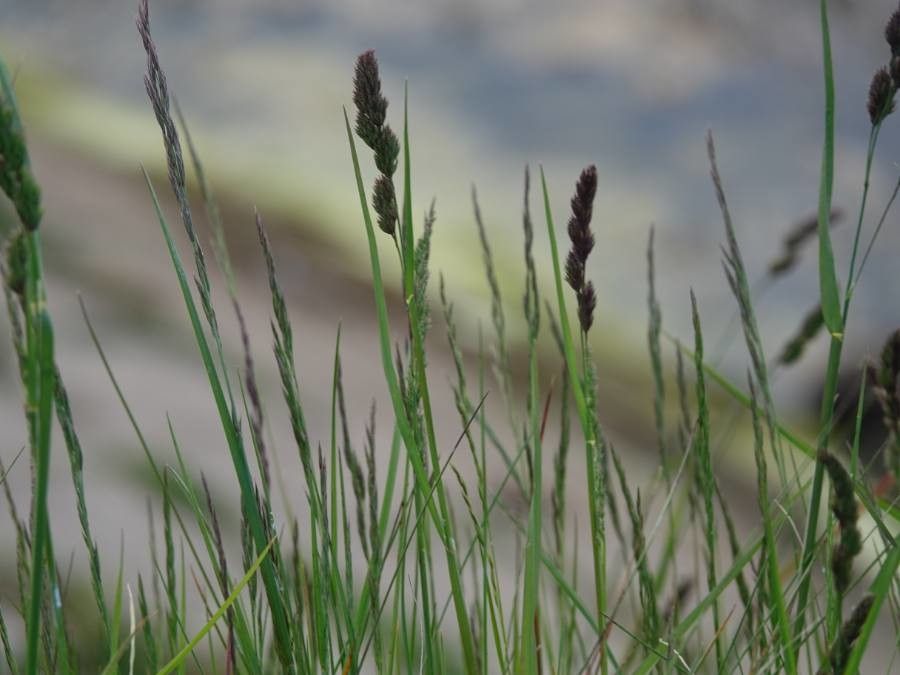
Taming the Seashore: Propagating the Hardy Aeluropus littoralis
Aeluropus littoralis, also known as the Common Seashore Paspalum, is a remarkable creeping grass celebrated for its resilience and striking appearance. Thriving in salty, sandy environments where few plants dare to grow, this hardy species offers a unique touch to gardens and landscaping projects. If you’re looking to introduce this fascinating plant to your outdoor space, understanding its propagation methods is key. Let’s dive into the world of replicating this coastal beauty.
Two Paths to Propagation: Seed vs. Division
Aeluropus littoralis can be propagated through two primary methods: seeds and division. Each approach comes with its own advantages and challenges, making it important to choose the one that aligns best with your resources and gardening style.
1. Sowing the Seeds of Success:
While finding Aeluropus littoralis seeds commercially might prove to be a challenge, harvesting them from existing plants is a viable option. Here’s how:
- Collection: During the fall, mature seed heads will turn brown and brittle. Carefully snip these heads and store them in a paper bag for a week to dry further. Gently rub the seed heads to release the seeds.
- Sowing: Seeds can be started indoors around 6-8 weeks before the last frost. Use a well-draining seed starting mix and lightly press the seeds onto the surface, as they require light for germination. Keep the soil consistently moist and provide a warm environment (around 70°F).
- Transplanting: Once seedlings develop a few sets of true leaves and the danger of frost has passed, harden them off gradually by introducing them to outdoor conditions for progressively longer periods. Choose a sunny location with well-drained soil, preferably sandy or rocky, for transplanting.
2. Dividing and Conquering:
For a head-start and quicker results, division is an excellent propagation method for Aeluropus littoralis, especially for established plants:
- Timing: Spring or early fall offers the optimal time for division as the plant actively grows and can recover quickly from the process.
- Dividing: Carefully dig up a section of the mother plant, ensuring a good chunk of roots is attached to each division. Using a sharp, clean knife or garden shears, separate the plant into smaller clumps.
- Replanting: Select a sunny location with well-drained soil, similar to the parent plant’s environment. Plant the divisions at the same depth they were originally growing and water thoroughly.
Nurturing Your New Shoots:
Regardless of the chosen propagation method, a few key care tips ensure the success of your Aeluropus littoralis:
- Sunlight: This sun-loving grass thrives in at least 6 hours of direct sunlight per day.
- Watering: While drought-tolerant once established, consistent watering, especially during the first year, is crucial for healthy growth. Allow the soil to dry slightly between waterings.
- Soil: This adaptable plant prefers well-drained soil, tolerating sandy, loamy, and even rocky textures.
- Fertilization: Aeluropus littoralis is a light feeder. An annual application of a balanced slow-release fertilizer in spring is usually sufficient.
Reaping the Rewards:
With its remarkable resilience and adaptability, Aeluropus littoralis requires minimal maintenance once established. Its ability to withstand harsh coastal conditions like salt spray, strong winds, and drought makes it a low-maintenance choice for gardeners. Whether gracing a seaside garden, stabilizing a slope, or adding textural interest to a rock garden, this impressive grass promises effortless beauty and a touch of coastal charm.