
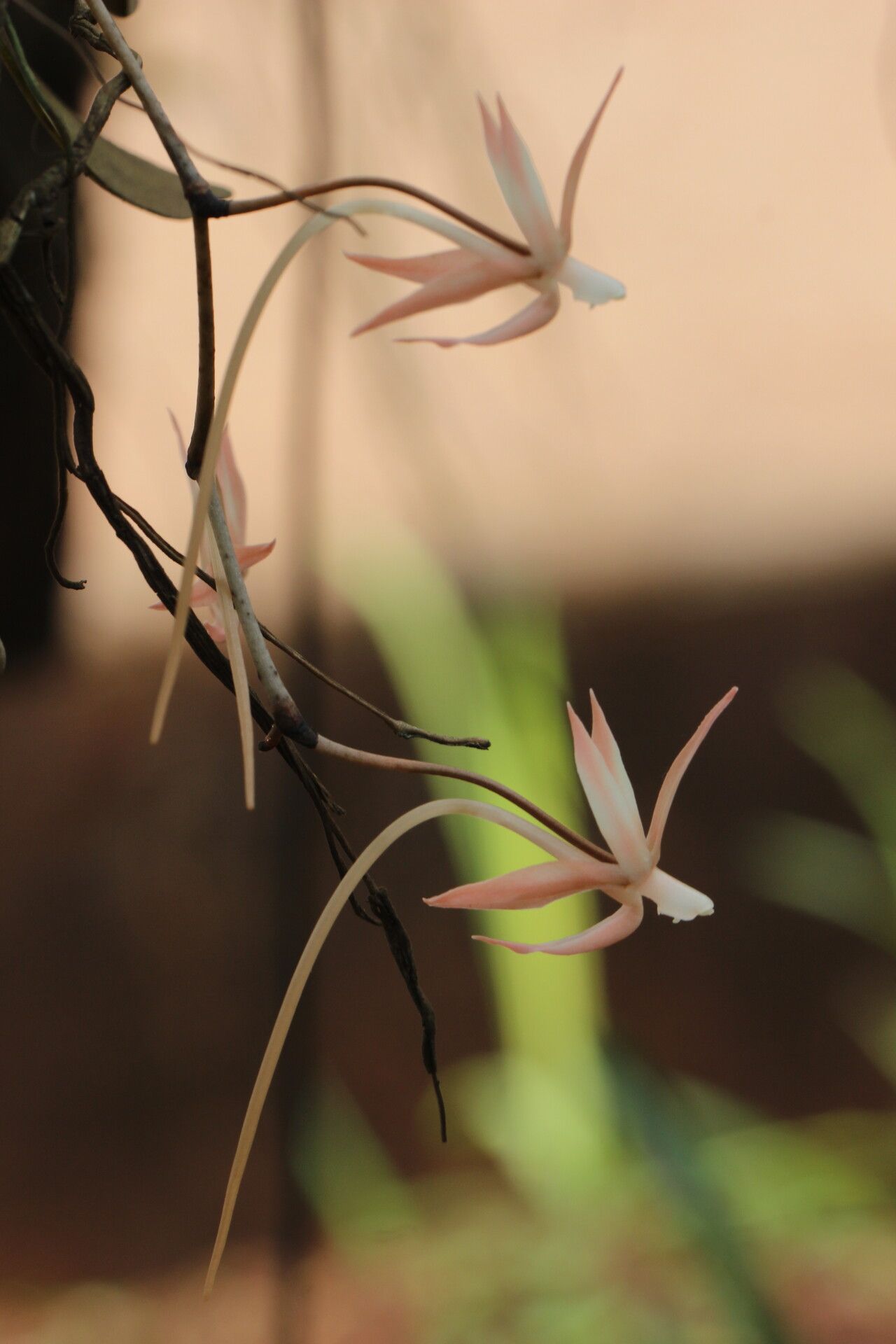
Spider Orchid’s Secret: Unveiling the Magic of Aerangis Arachnopus Propagation
The Aerangis arachnopus, also known as the “Spider Orchid,” is a fascinating plant with stunning flower clusters that resemble delicate spider webs. But its beauty isn’t limited to its blooms – it also possesses a captivating charm in its propagation methods, offering a unique way to grow your own collection.
Understanding the Basics
Propagation, in simple terms, is the process of creating new plants from existing ones. Aerangis arachnopus can be propagated through two main methods: Keiki production and seed germination.
1. Keiki – The Little Ones With Big Dreams
What are Keikis? Keikis are baby plants that are produced naturally by the mother plant, forming at the base of the plant or along the orchid’s stem. They develop their own roots and leaves, becoming independent plants waiting to be separated.
Promoting Keiki Formation: You can help your Aerangis arachnopus produce keikis by providing optimal growing conditions. This includes:
- Warm temperatures: Maintaining a temperature range of 70-80°F (21-27°C) during the day and 60-65°F (15-18°C) at night.
- High humidity: Aim for 60-80% humidity surrounding the plant.
- Bright, indirect light: Avoid direct sunlight as it can scorch the leaves.
- Regular watering: Ensure the growing medium doesn’t dry out completely, but also avoid overwatering.
- How to Separate a Keiki: When the keiki has developed at least three healthy roots and a few leaves, you can carefully separate it from the mother plant using a sharp, sterilized blade.
2. Seed Germination – A More Complex Path
Seed Requirements: Aerangis arachnopus seeds are extremely tiny and lack a food source. They require sterile and humid conditions to germinate.
The Process:
- Sterilize: All materials and tools used for seed germination must be thoroughly sterilized.
- Specific Medium: A sterile agar medium, prepared with specific nutrients and vitamins, is essential for proper germination.
- Symbiosis: Aerangis arachnopus seeds require a symbiotic relationship with mycorrhizal fungi for germination. This can be achieved by adding a specific type of fungi to the agar medium.
- Challenges: The process of seed germination for Aerangis arachnopus is complex and can be challenging even for experienced orchid enthusiasts. It requires specialized knowledge, equipment, and a dedicated sterile environment.
Choosing Your Method
If you are a beginner, keiki propagation is undoubtedly the simplest and most recommended approach. It offers a high success rate and requires minimal specialized equipment.
However, if you are an experienced grower seeking the thrill of a more challenging propagation journey, seed germination can be a rewarding experience.
Important Factors to Remember:
- Patience: Propagation, regardless of the method chosen, requires patience. It takes time for both keikis and seedlings to develop into mature plants.
- Sterility: Maintaining sterile conditions during both keiki separation and seed germination is crucial to prevent fungal or bacterial infections.
- Research: Before embarking on any propagation method, research and understand the specific requirements of the plant.
By understanding the intricacies of Aerangis arachnopus propagation, you can experience the joy of nurturing a new generation of these captivating Spider Orchids, adding even more beauty to your collection. Who knows, maybe you’ll even become a master propagator, sharing your expertise and inspiring others to unleash the magic of these fascinating plants.