
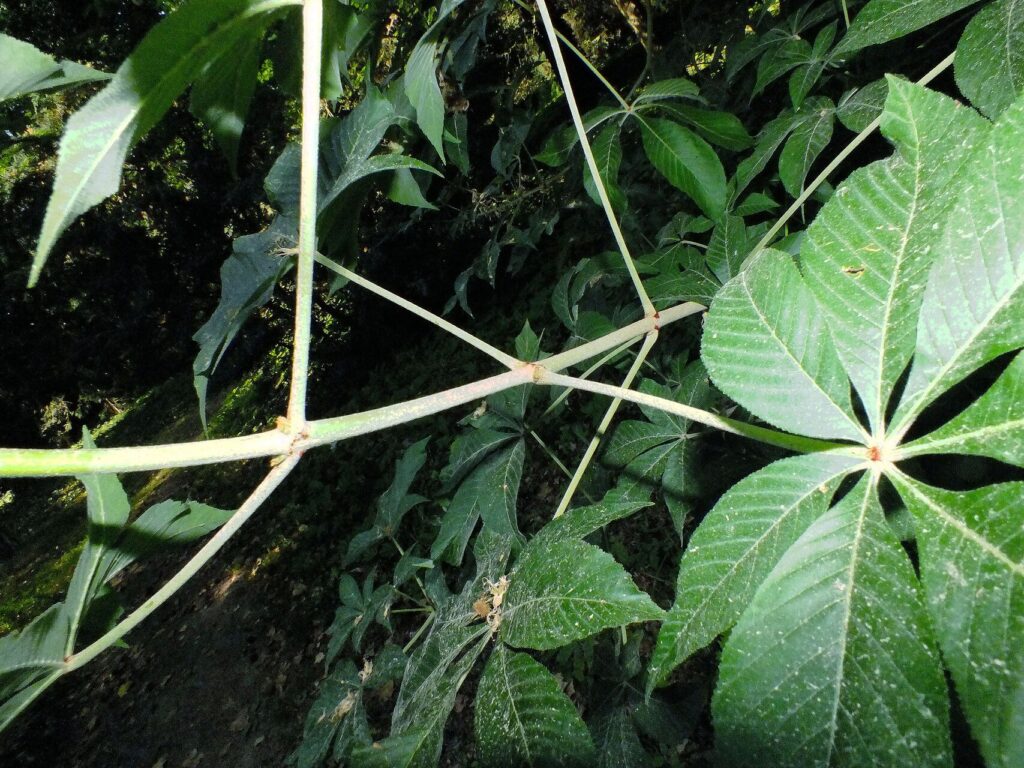
Cracking the Nut: A Guide to Propagating Ohio Buckeye (Aesculus glabra)
The Ohio Buckeye (Aesculus glabra), with its iconic buckeyes and striking fall foliage, holds a special place in the hearts of many. If you’ve ever dreamed of cultivating these majestic trees yourself, you might be surprised to learn that propagation isn’t as daunting as it seems. While it requires a bit of patience and green-thumb dedication, successfully growing your own buckeye from seed can be an incredibly rewarding experience. Let’s explore the fascinating world of Ohio Buckeye propagation.
The Magic Bean: Understanding Buckeye Seeds
Buckeyes aren’t your average seeds. Encased in those spiky, leathery husks are large, glossy seeds that hold the key to a new generation of trees. However, these seeds come with a built-in dormancy mechanism, meaning they won’t sprout unless exposed to specific conditions that mimic their natural cycle.
Breaking Dormancy: Stratification is Key
The secret to awakening your buckeye seeds lies in a process called “stratification.” This technique replicates the chilling period seeds naturally experience during winter, breaking their dormancy and signaling it’s time to germinate. Here’s how to stratify your buckeye seeds:
- Gather Ripe Seeds: Collect fresh buckeyes in the fall after the husks have turned brown and split open.
- Remove the Husk: Carefully extract the seeds from the husks. Wear gloves as the husks can be irritating to the skin.
- Prepare the Stratification Medium: Mix equal parts of moist (not soggy) peat moss or vermiculite and sand. This provides a well-draining environment for your seeds.
- Stratify: Place your seeds in the medium, ensuring they are well-covered. Seal them in a plastic bag or airtight container and place them in the refrigerator (around 40°F or 4°C) for 90-120 days.
- Check Regularly: Periodically examine your seeds for mold growth and ensure the medium remains slightly moist.
Time to Sprout: Planting Your Stratified Seeds
Once spring arrives and your seeds have completed their chilling period, it’s time to plant!
- Choose Your Containers: Opt for individual pots or seed trays with drainage holes.
- Fill with Soil: Use a well-draining potting mix.
- Plant the Seeds: Sow the stratified seeds about 1-2 inches deep.
- Water Gently: Thoroughly moisten the soil without waterlogging it.
- Provide Warmth & Light: Place the containers in a warm, bright location, out of direct sunlight.
With patience and proper care, your buckeye seeds should germinate within a few weeks.
Nurturing Your Buckeye Saplings
Once your seedlings emerge, continue providing them with consistent moisture, bright, indirect light, and a well-draining potting mix. As they grow, you can gradually acclimate them to more sunlight and eventually transplant them into larger containers or directly into the ground.
A Legacy in the Making
Growing your own Ohio Buckeye trees from seed is a fulfilling journey that connects you to nature’s remarkable cycle of growth and regeneration. With a little effort and a lot of love, you can cultivate these magnificent trees, creating a lasting legacy for generations to come.