
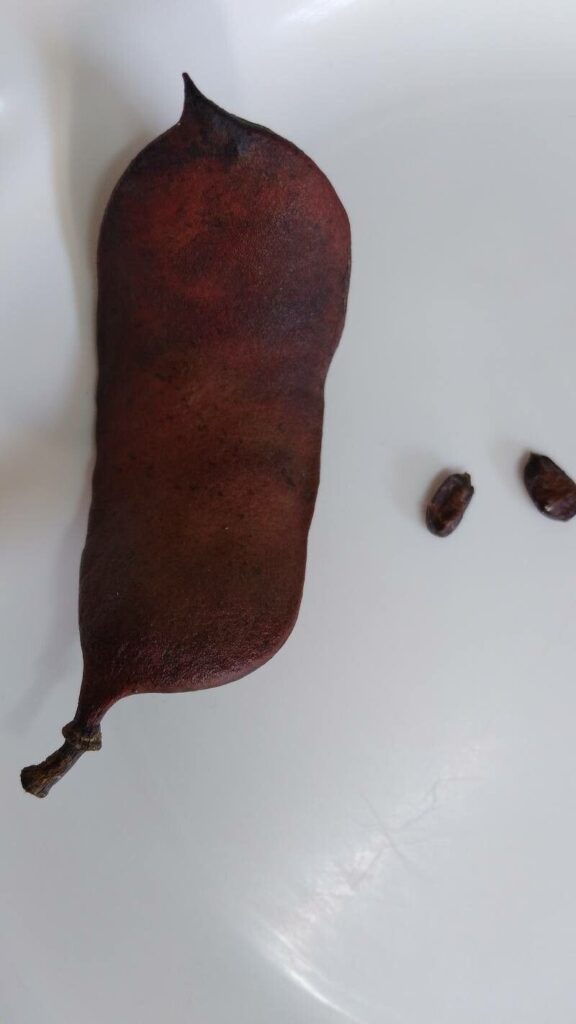
The Secret to Growing an African Mahogany: Propagating Afzelia quanzensis
The African mahogany, known botanically as Afzelia quanzensis, is a majestic tree known for its stunning hardwood and beautiful flowers. While you might not be able to grow a full-fledged giant in your backyard, the good news is that you can start your own journey with this magnificent species through propagation.
Understanding the Options:
Afzelia quanzensis can be propagated in a few ways, each with its own unique advantages and challenges:
- Seed Propagation: This is the most common method, as seeds are readily available and relatively easy to obtain. However, germination rates can be inconsistent and they require specialized conditions to succeed.
- Cuttings: Propagating from cuttings is a more challenging but potentially faster method. It involves taking part of a branch and encouraging it to produce roots.
- Air Layering: This technique involves creating a wound on a branch and encouraging roots to develop directly on the branch, which is then cut off and planted. Air layering can be successful, but it requires patience and specific knowledge.
From Seed to Sapling:
If you’re choosing seed propagation, follow these steps for optimal success:
- Source Fresh Seeds: Obtaining fresh seeds is essential for maximizing your chance of germination. Seek reputable sources that can provide viable seeds.
- Pre-Treatment: Many seeds benefit from pre-treatment to break dormancy. For Afzelia quanzensis, soaking the seeds in warm water for 24 hours can prove helpful.
- Sowing the Seeds: Choose a well-draining, fertile seed starting mix and sow the seeds at a depth of about twice the width of the seed.
- Create the Ideal Environment: Maintain a consistently warm temperature around 75-85°F and high humidity.
- Patience is Key: Germination can take several weeks to a few months, so be patient and don’t give up too soon.
Cultivating a Cutting:
While more challenging, propagating from cuttings can offer faster growth and the advantage of preserving the genetic traits of the parent tree.
- Take a Cutting during Dormant Season: The best season for cuttings is during late fall or early winter when the plant is dormant.
- Choose the Right Material: Select a healthy, disease-free branch that is several inches long and has several leaf nodes.
- Prep the Cutting: Dip the cut end in rooting hormone and plant it in a suitable potting mix.
- Maintain High Humidity: Place the cutting in a warm and humid environment, such as a mini-greenhouse or a plastic bag.
- Be Patient and Consistent: Keep the potting mix moist but not soggy, and allow the cutting time to develop roots.
The Final Word:
Growing an Afzelia quanzensis from seed or cutting requires dedication, time, and a bit of knowledge. But the journey itself is rewarding, and the experience of witnessing this mighty tree grow from a tiny seed or a cutting to a beautiful sapling is immeasurable. Don’t hesitate to reach out to experienced gardeners or local nurseries for tips and guidance on your propagation journey!