
Resurrecting the Rarity: Propagation Techniques for the Endangered Agalinis calycina
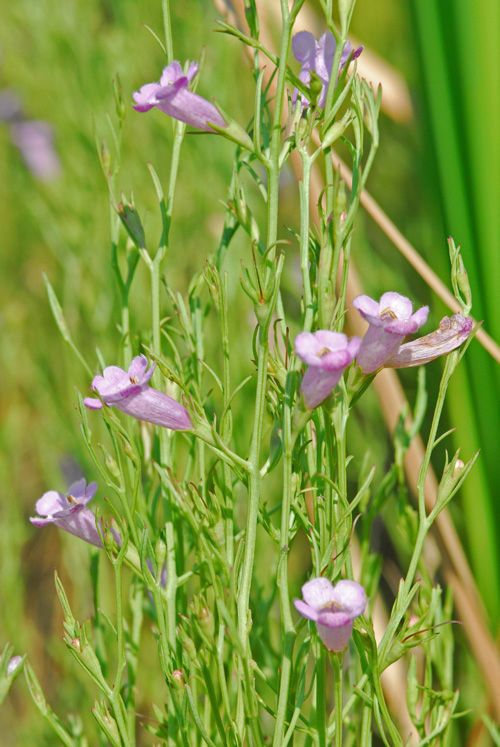
The world of plants is full of hidden gems, and few shine as intriguingly as the Agalinis calycina, commonly known as the Sandplain Gerardia. This annual wildflower, with its delicate pink blooms and intriguing parasitic nature, is sadly facing an uphill battle for survival. Classified as endangered across much of its range, understanding its propagation is crucial for conservation efforts.
A Beauty with a Secret:
Before we delve into propagation, let’s unravel what makes the Agalinis calycina so unique. This plant is a hemiparasite, meaning it obtains some of its nutrients by tapping into the roots of neighboring plants. This fascinating characteristic makes its cultivation a bit more complex than simply scattering seeds in the ground.
The Seed of Hope: Collection and Storage
Propagation of Agalinis calycina primarily relies on seeds. Seed collection is a delicate process, best undertaken by experts and permitted conservationists. Once the vibrant pink flowers fade, small seed pods develop. These pods need to be carefully collected just before they split open, ensuring the tiny seeds inside are mature.
Proper storage is vital for maintaining seed viability. The seeds should be cleaned and dried thoroughly before being stored in a cool, dark, and dry environment. Research suggests that cold stratification, a process of subjecting seeds to cold temperatures, may improve germination rates.
Partnering with Nature: The Importance of Host Plants
The parasitic nature of Agalinis calycina plays a crucial role in its propagation. To thrive, this wildflower needs a suitable host plant. Research indicates that grasses, particularly those found in its natural sandplain habitat, are ideal partners.
For successful propagation, seeds should be sown near the roots of established host plants. This allows the developing Agalinis calycina seedlings to form connections and draw nutrients from their host, mimicking their natural growth cycle.
Beyond Seeds: Exploring Alternative Propagation Methods
While seed propagation remains the most common method for Agalinis calycina, researchers are exploring alternative techniques to support its conservation:
- Cuttings: Taking stem cuttings during the growing season and treating them with rooting hormones could potentially propagate new plants.
- Tissue Culture: This laboratory-based technique involves growing plants from tiny tissue samples. Though resource-intensive, it offers a way to produce a large number of genetically identical plants.
A Call to Action: Conservation Through Understanding
The future of the Agalinis calycina remains uncertain. However, by understanding its unique propagation requirements and supporting conservation efforts, we can contribute to bringing this beautiful and ecologically significant wildflower back from the brink. Your awareness and action can make a difference in ensuring future generations get to experience the delicate beauty of the Sandplain Gerardia.