
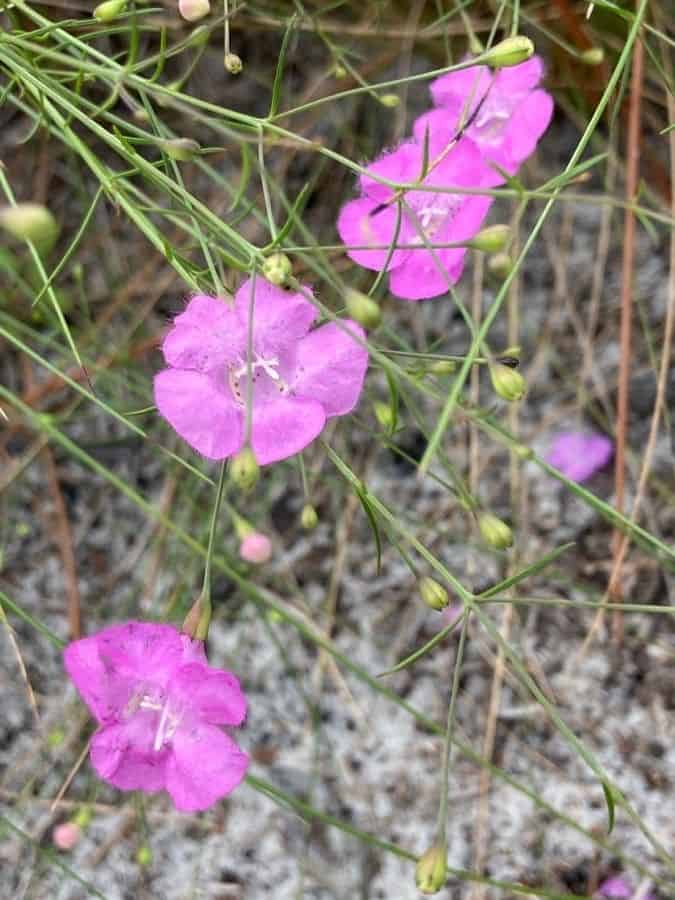
Rescuing a Rare Beauty: Propagation Techniques for the Endagered Agalinis edwardsiana
The natural world never ceases to amaze with its intricate tapestry of life, and the plant kingdom, in particular, boasts an inspiring array of species. Today, we shine a spotlight on a rare and exquisite flower found clinging to existence in the southeastern United States: Agalinis edwardsiana, commonly known as Edward’s gerardia. This delicate beauty, with its vibrant pink blooms, faces an uphill battle for survival due to habitat loss and degradation. But there’s hope! Understanding how to propagate this endangered species is a crucial step in ensuring its future.
A closer look at Edward’s Gerardia
Edward’s gerardia is an annual herb with slender stems and narrow leaves. From August to October, its stunning pink, trumpet-shaped flowers grace the landscape, attracting pollinators with their nectar. However, this beauty belies its vulnerability. Being an annual, Edward’s gerardia relies heavily on successful seed production and dispersal each year to maintain its populations.
Why Propagation Matters
Edward’s gerardia, like many endangered species, faces numerous threats:
- Habitat Loss: Urban development, agriculture, and other land-use changes have destroyed much of its natural environment.
- Fire Suppression: Historically, natural wildfires helped maintain open habitats suitable for this species. Modern fire suppression practices have allowed denser vegetation to encroach, hindering its growth.
- Limited Genetic Diversity: With smaller, isolated populations, the species becomes more vulnerable to disease and environmental change due to reduced genetic variation.
By learning how to propagate Edward’s gerardia, we can contribute to conservation efforts and help increase its numbers both in the wild and in cultivated settings.
Methods of Propagation
1. Seed Collection and Sowing:
- Timing is crucial: Collect seeds in the fall after the flowers have withered and the seed capsules have turned brown.
- Gentle extraction: Carefully remove the seeds from the capsules and store them in a cool, dry place until ready for sowing.
- Direct sowing: In late fall or early winter, sow the seeds directly outdoors in a well-drained seedbed that mimics their natural habitat (sandy soil with some sun exposure).
- Stratification: Mimic winter conditions by subjecting the seeds to a period of cold, moist storage (refrigerator) for a few weeks before sowing to enhance germination rates.
2. Cultivation Challenges:
- Hemiparasitic Nature: Edward’s gerardia, like others in its genus, is hemiparasitic. This means it derives some of its nutrients by attaching to the roots of host plants. Research suggests grasses are suitable hosts. Therefore, successful cultivation might require introducing compatible host plants in close proximity.
- Specific Growing Conditions: Replicating the plant’s native environment is vital. This includes well-drained, sandy soil, plenty of sunlight, and controlled competition from other plant species.
3. Citizen Science and Collaboration:
Collaboration is key. Botanical gardens, conservation organizations, and dedicated individuals can all play a role in propagating and protecting Edward’s gerardia. Citizen science initiatives can be particularly impactful, allowing individuals to participate in seed collection, monitoring, and even backyard cultivation efforts.
By understanding the plight of Edward’s gerardia and actively participating in its propagation, we can contribute to the preservation of this botanical treasure for generations to come. Let’s work together to ensure that its delicate pink blooms continue to grace our planet’s tapestry of life.