
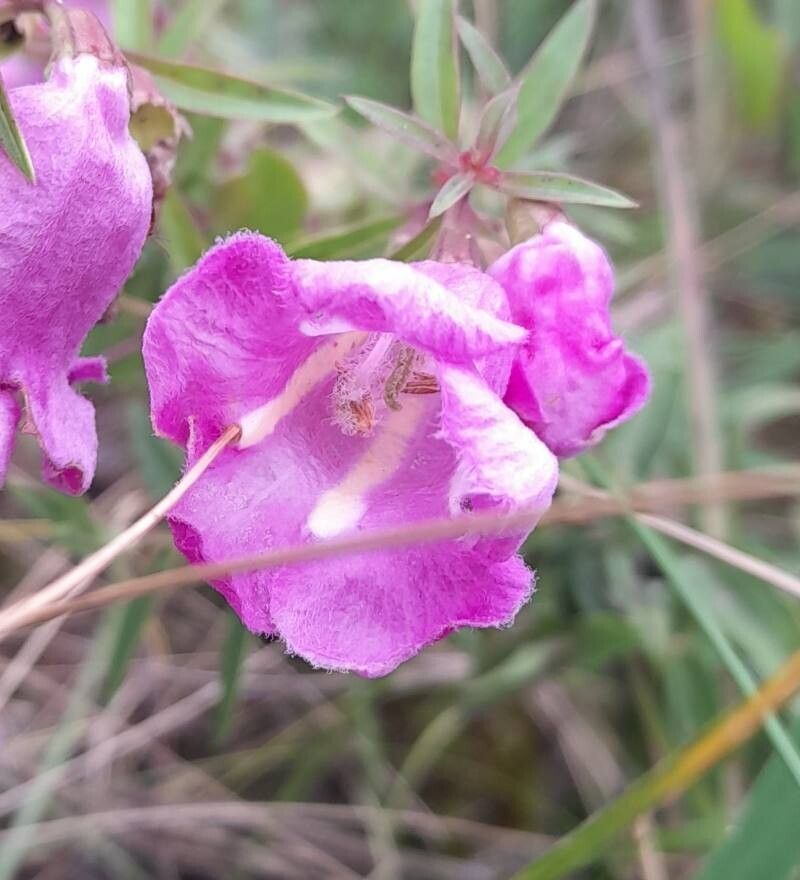
Untangling the Mystery: Growing More Agalinis genistifolia
Agalinis genistifolia, also known as the Yellow False Foxglove, is a charming wildflower with sunny blooms that grace meadows and prairies. While it might not be the first plant that comes to mind when you think “garden,” its unique beauty and value to pollinators make it a worthy addition to naturalistic landscapes. But how do you get your hands on more of these vibrant flowers? Let’s dive into the fascinating world of propagating Agalinis genistifolia.
Understanding the Plant:
Before diving into propagation, it’s helpful to understand a few key things about Agalinis genistifolia. This North American native is a hemiparasitic annual, meaning it gets some of its nutrients through photosynthesis like any other plant, but it also forms connections with the roots of nearby grasses to supplement its needs. This unique characteristic plays a crucial role in its propagation.
Method 1: Seed Collection and Sowing:
- Timing is Key: Agalinis genistifolia blooms in late summer to early fall, producing small capsules filled with tiny seeds. Collect the capsules just as they turn brown and start to split open.
- Direct Sowing for Best Results: For optimal germination, sow the seeds directly into the soil in either fall or early spring. The cold stratification period provided by overwintering outdoors significantly improves germination rates.
- Mimicking Nature: Choose a site with full sun and well-drained soil. Lightly rake the tiny seeds into the soil surface, mimicking the natural dispersal methods. Be patient! Germination can be slow and sporadic.
Method 2: Cultivating Host Plants:
Due to its hemiparasitic nature, Agalinis genistifolia thrives when planted near suitable host plants. These include various grasses like Little Bluestem (Schizachyrium scoparium) or Purple Love Grass (Eragrostis spectabilis).
- Planting Strategy: Consider planting your desired host grasses a year or two before introducing Agalinis genistifolia. This allows the grasses to establish a robust root system, providing ample resources for your wildflowers.
- Benefits Beyond Propagation: Incorporating host plants not only aids in propagation but also contributes to a more successful and healthy planting overall.
Important Considerations:
- Ethical Wild Collection: It’s essential to avoid collecting seeds or plants from the wild, as this can harm natural populations. Instead, obtain seeds or plants from reputable native plant nurseries or seed suppliers.
- Patience is a Virtue: Agalinis genistifolia can be somewhat challenging to propagate, and success isn’t always guaranteed. Don’t be discouraged if it takes a few tries or if your initial plantings are sparse.
Bringing Home the Beauty:
Propagating Agalinis genistifolia is an adventure that allows you to participate in the life cycle of this intriguing wildflower. While it requires patience and understanding of its unique needs, the reward of seeing its sunny blooms grace your own landscape is well worth the effort. By learning about its propagation, we can help conserve this beautiful species and contribute to the health of our pollinator populations. So, why not embrace the challenge and bring home the vibrant beauty of Agalinis genistifolia?