
Taming the Cape Rockrose: A Guide to Propagating Agarista buxifolia
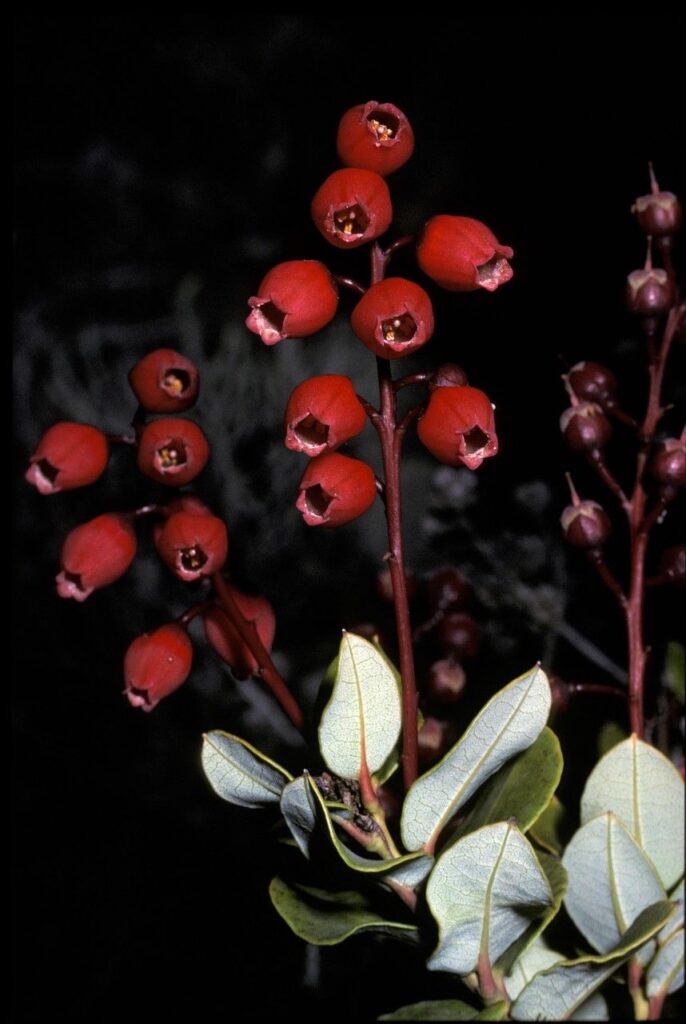
The Cape Rockrose (Agarista buxifolia), with its charming evergreen foliage and delightful springtime display of pink, bell-shaped blooms, can be a captivating addition to any garden. Native to the coastal regions of South Africa, this resilient shrub thrives in well-drained soil and sunny locations, making it an ideal choice for Mediterranean climates and xeriscaping.
While finding Agarista buxifolia at local nurseries might pose a challenge, propagating this beauty at home is surprisingly achievable with a little patience and the right techniques.
Seeds: A Test of Time and Patience
The most common method for propagating Agarista buxifolia is through seeds, although it does require some dedication. Follow these steps to increase your chances of success:
- Collect Seeds: After flowering, the Cape Rockrose produces small capsules containing numerous tiny seeds. Collect these capsules once they turn brown and begin to dry out.
- Seed Preparation: Carefully extract the seeds from the capsules and store them in a cool, dry place until ready for sowing.
- Sowing: The ideal time to sow is in spring or early autumn. Use a well-draining seed-starting mix and sprinkle the seeds evenly over the surface. Gently press them down but avoid burying them too deep.
- Patience is Key: Germination can be slow and erratic, often taking several weeks or even months. Keep the seed tray consistently moist but not waterlogged, and provide bright, indirect light.
- Transplanting: Once the seedlings have developed a couple of sets of true leaves and are large enough to handle, they can be transplanted into individual pots or directly into the garden.
Tip: Soaking the seeds in warm water for 24 hours before sowing can help soften the outer layer and potentially speed up germination.
Cuttings: A Faster Route to Success
For a quicker and potentially more reliable propagation method, consider taking semi-hardwood cuttings in late summer:
- Select Healthy Growth: Choose healthy, non-flowering stems from the current year’s growth. Ideally, the cutting should be around 4-6 inches long.
- Prepare the Cutting: Remove the lower leaves from the cutting, leaving only a couple at the top. Make a clean cut just below a leaf node.
- Encourage Rooting: Dip the cut end in rooting hormone powder to encourage root development.
- Planting: Plant the cutting in a pot filled with a well-draining mix of peat moss and perlite or sand.
- Creating a Humid Environment: Cover the pot with a clear plastic bag or use a propagator to create a humid environment and retain moisture.
- Monitoring and Care: Place the cutting in a warm, bright location, out of direct sunlight. Keep the soil consistently moist but not waterlogged.
- Transplanting: After about 6-8 weeks, gently tug on the cutting to check for root development. Once the roots are established, transplant the new plant into a larger pot or the garden.
Tip: Choose cuttings from the base of the plant as they tend to be more vigorous and root more easily.
With a little patience and care, you can successfully propagate Agarista buxifolia and enjoy the charm of this South African beauty in your very own garden. Whether you choose the rewarding challenge of seeds or the quicker route of cuttings, witnessing new life emerge from a parent plant is a fulfilling experience for any plant enthusiast.