
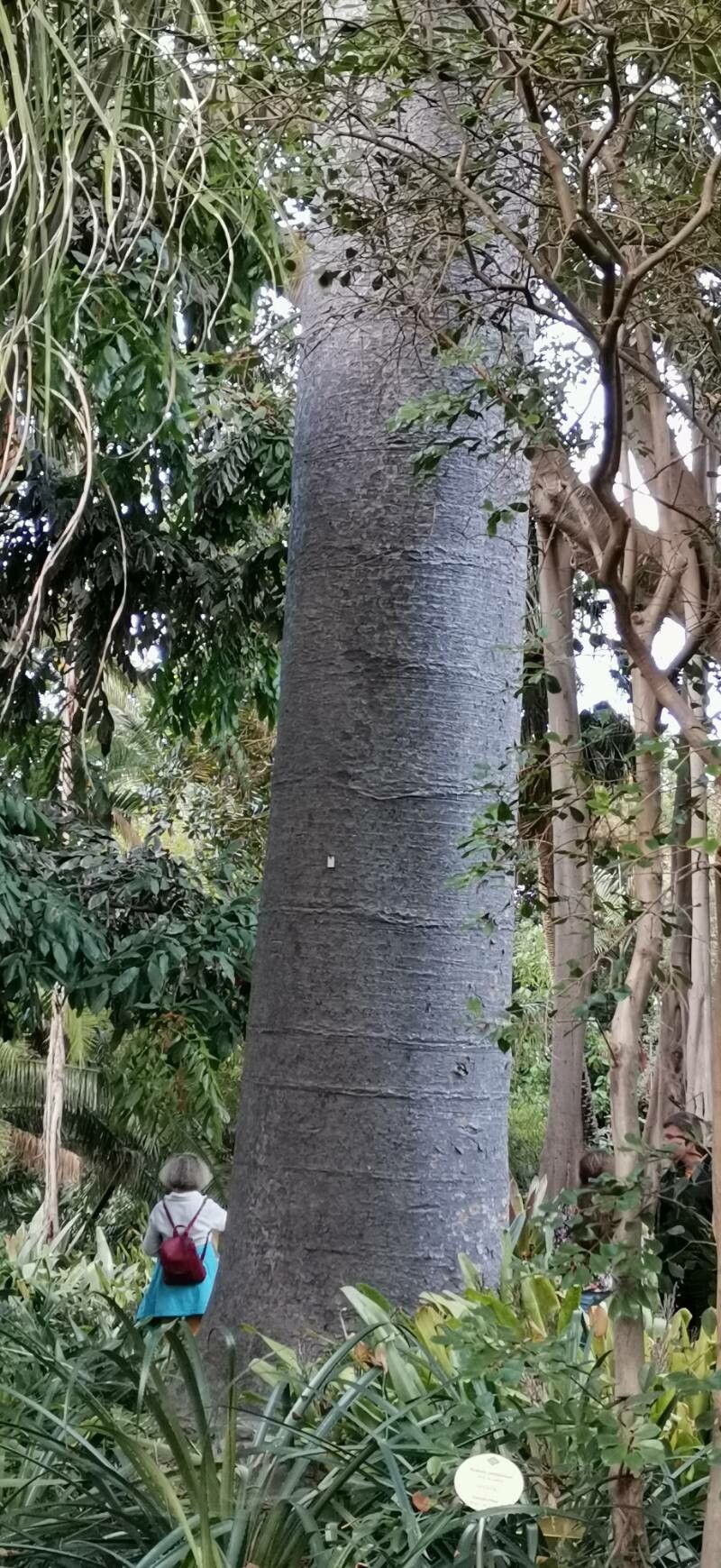
Unlocking the Ancient Secrets: Propagating the Majestic Agathis Dammara
The Agathis dammara, also known as the Bindang or Amboina pine (though not a true pine!), is a majestic conifer prized for its striking appearance and valuable timber. Originating from Southeast Asia, this ancient tree can reach towering heights, making a dramatic statement in any landscape fortunate enough to host it. While acquiring a mature specimen can be a challenge, propagating your own Agathis dammara is a rewarding endeavor for patient gardeners with a passion for the unique.
Two Paths to Propagation: Seeds vs. Cuttings
Agathis dammara can be propagated through two primary methods: seeds and cuttings. Each approach has its own set of advantages and challenges:
1. Seed Propagation: A Journey Through Time
- Pros: Seed propagation is the most common and generally successful method for Agathis dammara. Seeds are relatively easy to obtain from reputable suppliers.
- Cons: Growing Agathis dammara from seed requires significant patience. Germination can be slow and unpredictable, taking anywhere from a few weeks to several months.
- How-To:
- Source fresh seeds: Look for plump, healthy seeds from a reliable source.
- Prepare your pots: Use a well-draining seed-starting mix and ensure the pots have drainage holes.
- Sow the seeds: Plant seeds at a depth of about 1 cm and water gently.
- Provide warmth and humidity: Optimal germination temperature ranges from 20-25°C (68-77°F). Consider using a humidity dome or placing the pots in a warm, humid location.
- Be patient and attentive: Keep the soil consistently moist but not waterlogged. Germination can take weeks or even months. Once seedlings emerge, provide ample indirect light.
2. Cutting Propagation: Cloning the Giant
- Pros: Cuttings offer a potentially faster route to a mature tree, inheriting the parent plant’s characteristics.
- Cons: This method is generally considered more challenging and yields a lower success rate compared to seed propagation.
- How-To:
- Timing is key: Take cuttings from semi-hardwood growth in late spring or early summer.
- Select healthy shoots: Choose vigorous, healthy shoots that are not flowering.
- Prepare the cuttings: Using a sharp, sterilized knife or shears, cut a section of stem approximately 10-15 cm long, making the cut just below a node. Remove the lower leaves.
- Encourage rooting: Dip the cut end in rooting hormone and place it in a well-draining rooting mix.
- Provide a favorable environment: Keep the cuttings in a warm, humid environment with indirect light. Using a propagation chamber can be beneficial.
Nurturing Your Agathis Dammara: A Long-Term Commitment
Regardless of the propagation method you choose, remember that Agathis dammara is a slow-growing tree. Patience is essential! Here are some tips for success:
- Well-draining soil: Plant in a location with loose, well-drained soil.
- Ample sunlight: While young plants tolerate some shade, they thrive in full sun to partial shade as they mature.
- Consistent moisture: Water regularly, especially during dry periods, but avoid overwatering.
- Protection from frost: Agathis dammara is sensitive to frost, especially when young. Provide protection during colder months if necessary.
Propagating your own Agathis dammara is a labor of love, demanding patience and dedication. However, the reward of nurturing this prehistoric giant from its infancy is a deeply fulfilling experience. Witnessing your seedling grow into a majestic tree, a testament to time and perseverance, is a truly remarkable journey for any plant enthusiast.