
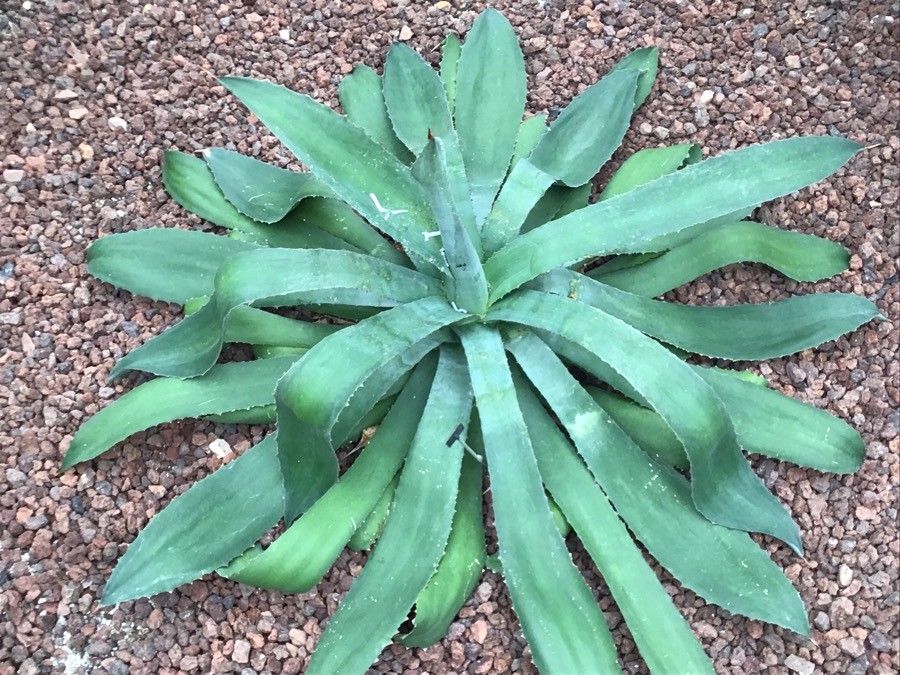
From One Agave Colorata to Many: A Guide to Propagation
The Agave colorata, with its striking rosettes of blue-green leaves and the promise of vibrant orange-red blooms, is a showstopper in any garden. But what if you want to share the beauty of this spiky succulent with your friends, family, or even just spread the love throughout your own yard? That’s where propagation comes in!
This guide will take you through the different methods for propagating Agave colorata, empowering you to create new plants from your existing one.
1. The Power of Offsets: Agave Colorata’s Natural Clones
Agave colorata often produces “offsets,” also called “pups,” which are small, independent plants that sprout at the base of the main plant. These offsets are genetically identical clones of the parent plant, ensuring you get a replica of its unique characteristics.
Here’s how to separate and plant offsets:
- Wait for the right time: Wait until the offsets are a good size, ideally at least 6 inches tall.
- Gentle removal: Carefully use a sharp knife or hand pruners to separate the offset from the parent plant. Ensure you get a clean cut, leaving the offset with its own root system.
- Healing time: Allow the offset to dry for a day or two to help the cut surface callous over.
- Planting in pots: Use a well-draining cactus mix and choose a pot with drainage holes. Plant the offset at the same depth it was originally growing.
- Watering: Water only when the soil feels dry to the touch, as overwatering can lead to root rot.
2. The Art of Leaf Cuttings: Growing New Plants from Leaves
While not as common as offset propagation, Agave colorata can also be propagated from leaf cuttings. This method requires a bit more patience but can be rewarding.
Here’s how to propagate from leaf cuttings:
- Choosing the right leaf: Select a healthy, mature leaf from the base of the plant. The older leaves are ideal for propagation.
- Preparing the cutting: Cut the leaf at its base, keeping the cut as sharp and clean as possible.
- Let it dry: Allow the cut end to dry and callous over for a few days.
- Planting the cutting: Insert the callous end into a pot filled with perlite or a mix of perlite and cactus soil.
- Patience is key: Keep the cutting in a warm, bright location and keep the perlite/soil mix slightly moist. It can take several weeks or months for roots to develop.
3. The Challenging Path of Seed Propagation: The Long Game
Agave colorata, like all agaves, produces seeds. However, seed propagation is a longer and more demanding process than using offsets or leaf cuttings. This method is best suited for experienced growers who want to experiment.
Here’s the gist of seed propagation:
- Collect the seeds: Gather seeds from the spent flower stalks of your Agave colorata.
- Sowing the seeds: Sow the seeds in a seed tray filled with well-draining seed-starting mix.
- Moisture and light: Keep the soil moist but not soggy, and provide bright, indirect light.
- Germination: Agave seeds can take several weeks to germinate.
- Potting up: Once the seedlings are a few inches tall, transplant them into individual pots.
A Final Word on Propagation Success
No matter which propagation method you choose, remember these key tips:
- Sterilization: Sanitize your tools to prevent the spread of diseases.
- Patience: Propagation takes time. Don’t get discouraged if it doesn’t happen overnight.
- Environment: Choose a warm and sunny location for your new Agave colorata plants.
With proper care and a little patience, you can successfully multiply your Agave colorata and enjoy its striking beauty for years to come.