
From One to Many: Unlocking the Secrets of Agave Guiengola Propagation
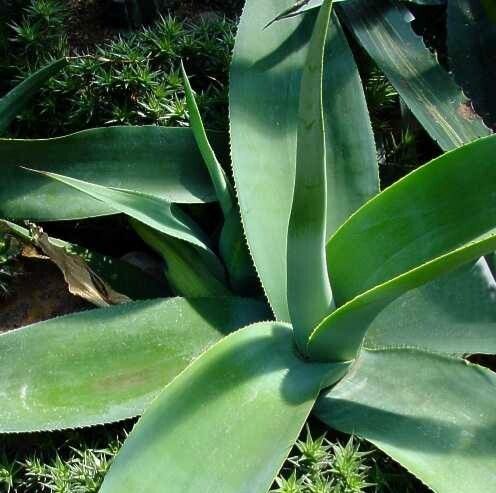
If you’re smitten with the sculptural beauty and striking form of the Agave guiengola, you’re not alone. This majestic succulent, also known as the “Whale’s Tongue Agave,” boasts distinctive, long, paddle-shaped leaves that are an eye-catching addition to any garden. But what if you could share this captivating plant with others?
The answer lies in the world of propagation, the art of creating new plants from existing ones. And luckily for Agave guiengola enthusiasts, this process is relatively straightforward and offers multiple options to suit different needs and preferences.
Agave Guiengola Propagation 101:
-
Offshoots (Pups): The most common and reliable method for Agave guiengola propagation involves using “pups,” or the small, baby plants that sprout at the base of the mother plant. These pups are essentially miniature versions of the parent plant, carrying all the genetic traits.
- Timing is Key: The best time to detach pups is during the spring or summer months when the plant is actively growing.
- Gentle Removal: Carefully detach the pups from the mother plant using a sharp, clean knife or a pair of pruning shears. Ensure you leave a good root system intact.
- Potting Up: Pot the pups in a well-draining cactus potting mix and place them in bright, indirect light. Water moderately, allowing the soil to dry out between waterings.
- Patience is a Virtue: It may take several weeks to a few months for the pups to establish roots and start growing. Be patient and provide consistent care!
-
Seeds: Agave guiengola can also be propagated from seeds, providing a slightly longer but equally rewarding process.
- Harvesting Seeds: Look for mature seed pods, which will be brown and dry. Carefully dissect the pods to extract the seeds.
- Sowing Seeds: Sow the seeds in shallow trays filled with a well-draining cactus potting mix. Lightly cover the seeds with a thin layer of soil.
- Moisture and Light: Keep the soil consistently moist (but not waterlogged) and provide bright, indirect light.
- Germination Time: Agave guiengola seeds typically take several weeks to germinate.
- Transplanting: Once the seedlings have developed a few true leaves, transplant them into individual pots.
Beyond the Basics:
- Root Division: While less common, you can also propagate Agave guiengola through root division. This method involves carefully dividing the root system into separate sections, each containing a portion of the plant’s crown.
- Leaf Cuttings: This method is generally not recommended for Agave guiengola due to its slow rooting rate.
Considerations for Success:
- Sterilization: To prevent fungal or bacterial infections, sterilize your tools before and after working with the plant.
- Acclimatization: Gradually introduce your newly propagated plants to full sun to prevent them from getting sunburned.
- Water Wisely: Agave guiengola prefers well-draining soil and is drought-tolerant. Avoid overwatering, as this can lead to root rot.
Conclusion:
Propagating Agave guiengola is a rewarding experience, allowing you to expand your collection while ensuring the continuation of this unique and captivating succulent. Whether you opt for the reliable pup method or embark on the journey of seed propagation, remember that patience, proper care, and a touch of green thumb magic will lead you to success. Happy propagating!